
Pharmaceutical-grade research compounds
Buy longevity research peptides online — Epitalon, MOTS-c, NAD+, Thymosin Alpha-1 — all HPLC-verified at ≥99% purity with full Certificate of Analysis. This category covers the most-studied compounds at the intersection of aging biology and peptide science, targeting specific hallmarks of aging: telomere attrition (Epitalon activates telomerase in fibroblast cultures), mitochondrial dysfunction (MOTS-c is a mitochondrial-derived peptide that modulates insulin sensitivity and metabolic aging), cellular NAD+ decline (NAD+ precursors support sirtuin activity and DNA repair), and immune senescence (Thymosin Alpha-1 modulates T-cell function in aging models). For researchers studying biological age, epigenetic clocks, or multi-pathway aging interventions, these compounds provide pharmacologically distinct tools to probe different aging hallmarks. Every batch ships with batch-specific HPLC chromatogram, mass-spectrometry identity confirmation, and published half-life documentation.
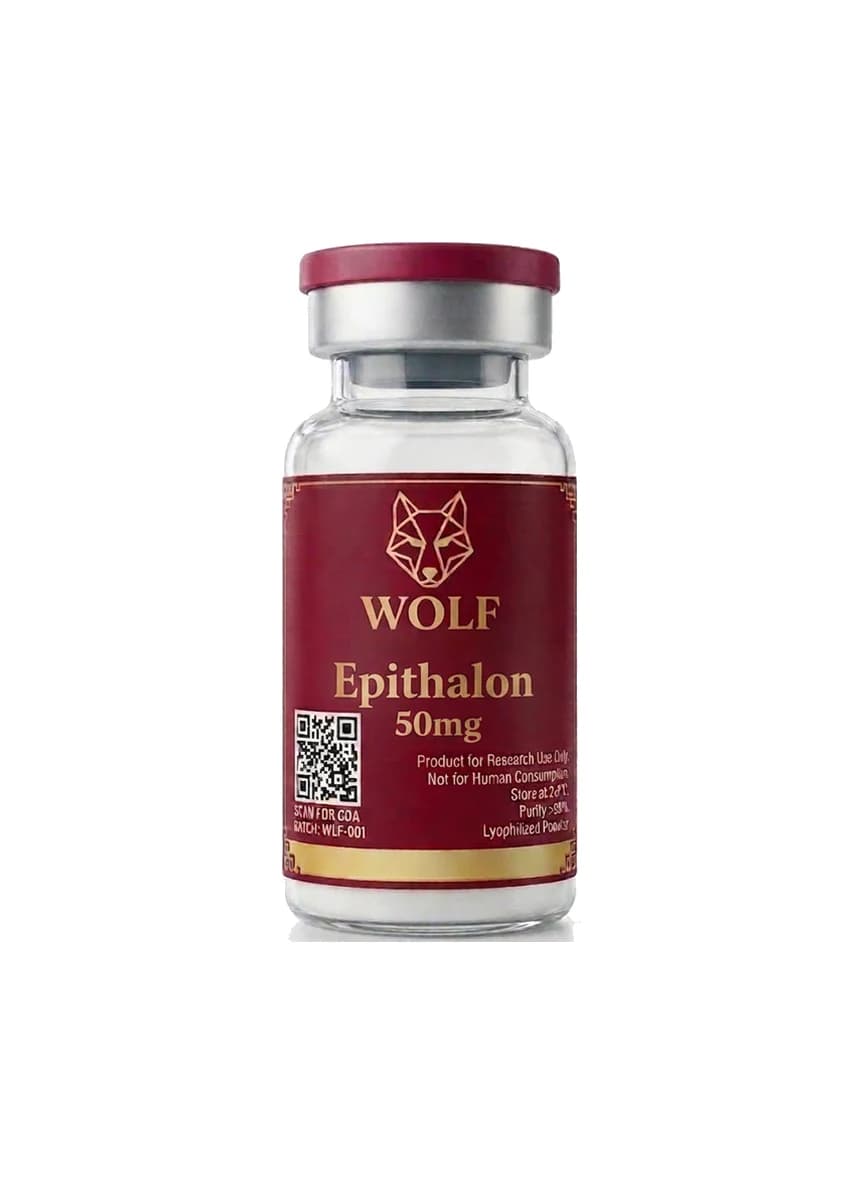
Epitalon (AEDG tetrapeptide) is one of the most-studied longevity peptides, based on the naturally-occurring pineal peptide epithalamin. Research demonstrates telomerase activation and extended replicative lifespan in fibroblast cultures — a 44-passage extension vs 34 in controls. 15+ years of human-cohort data on cardiovascular markers and mortality.
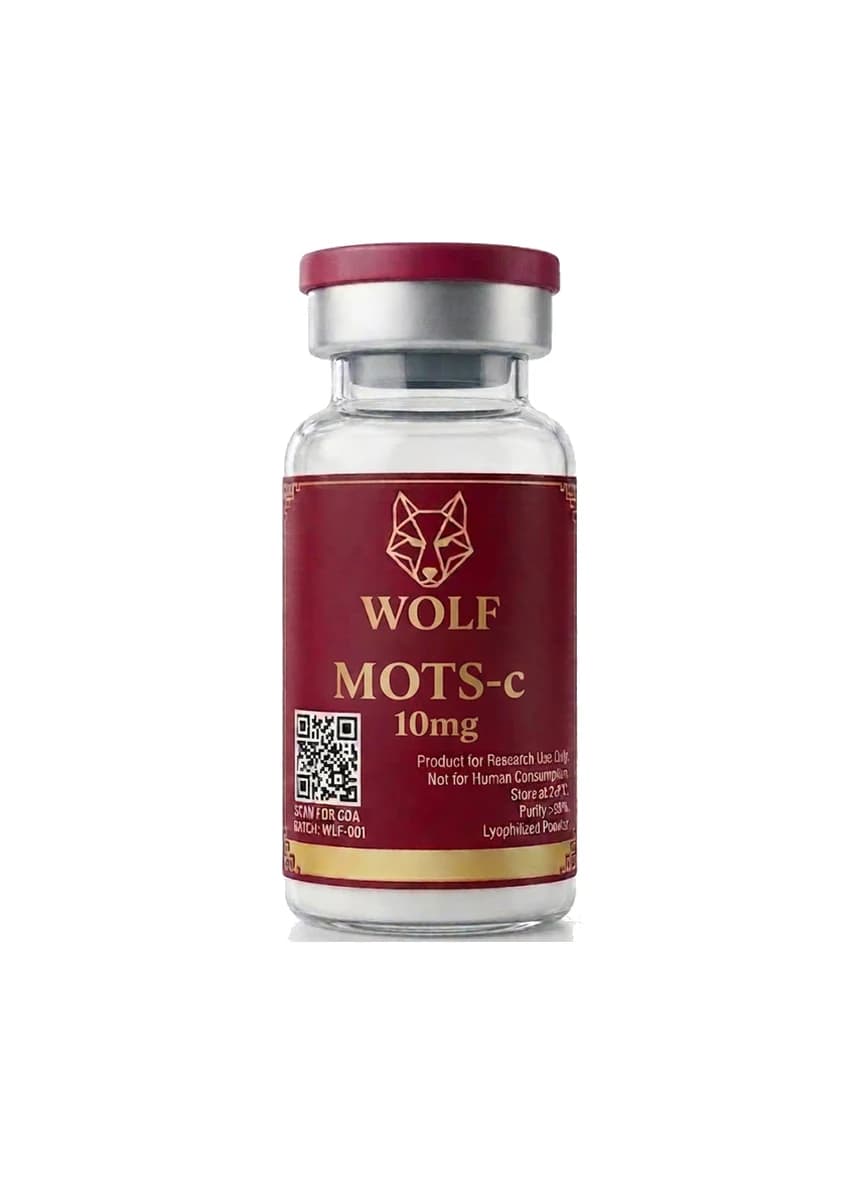
MOTS-c is a 16-amino-acid peptide encoded in mitochondrial DNA — one of the only known mitochondrial-derived peptides. Research shows it regulates insulin sensitivity, skeletal muscle metabolism, and AMPK signaling. Levels decline sharply with age, making it central to mitochondrial-aging research.
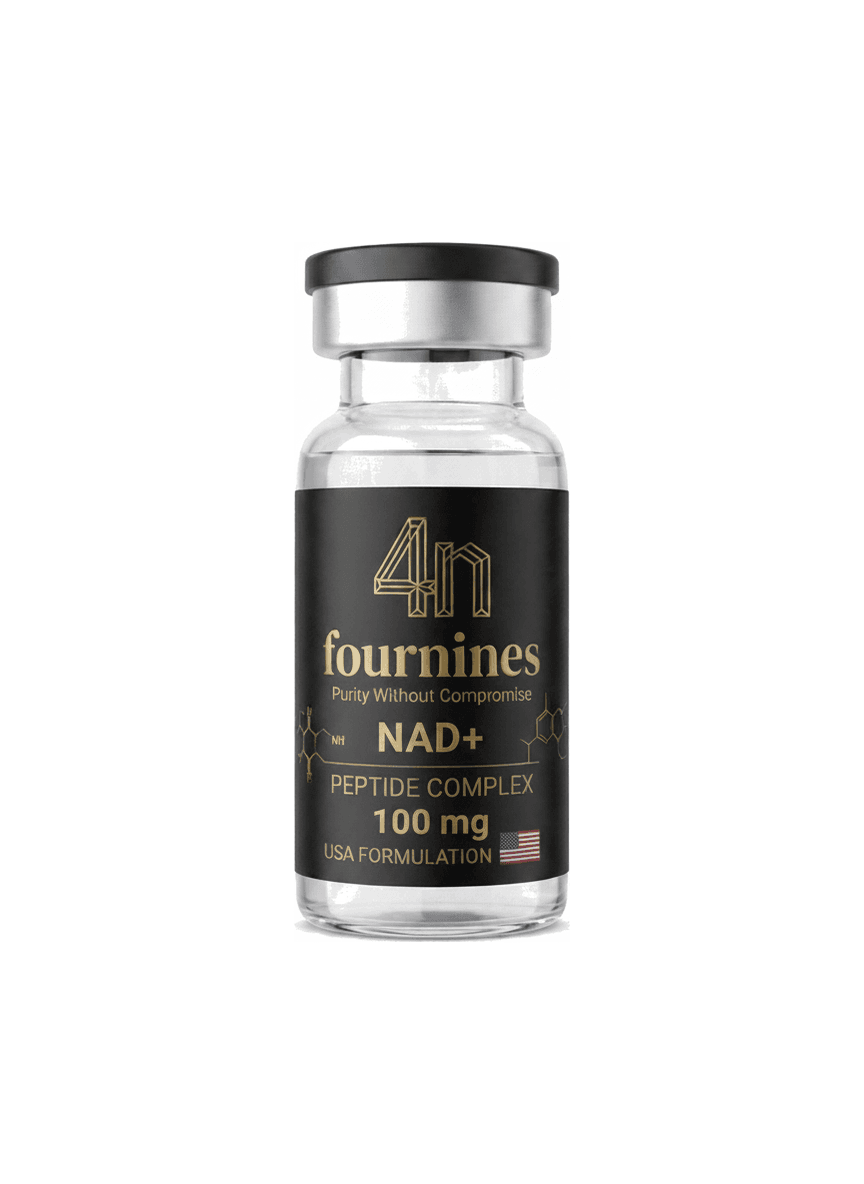
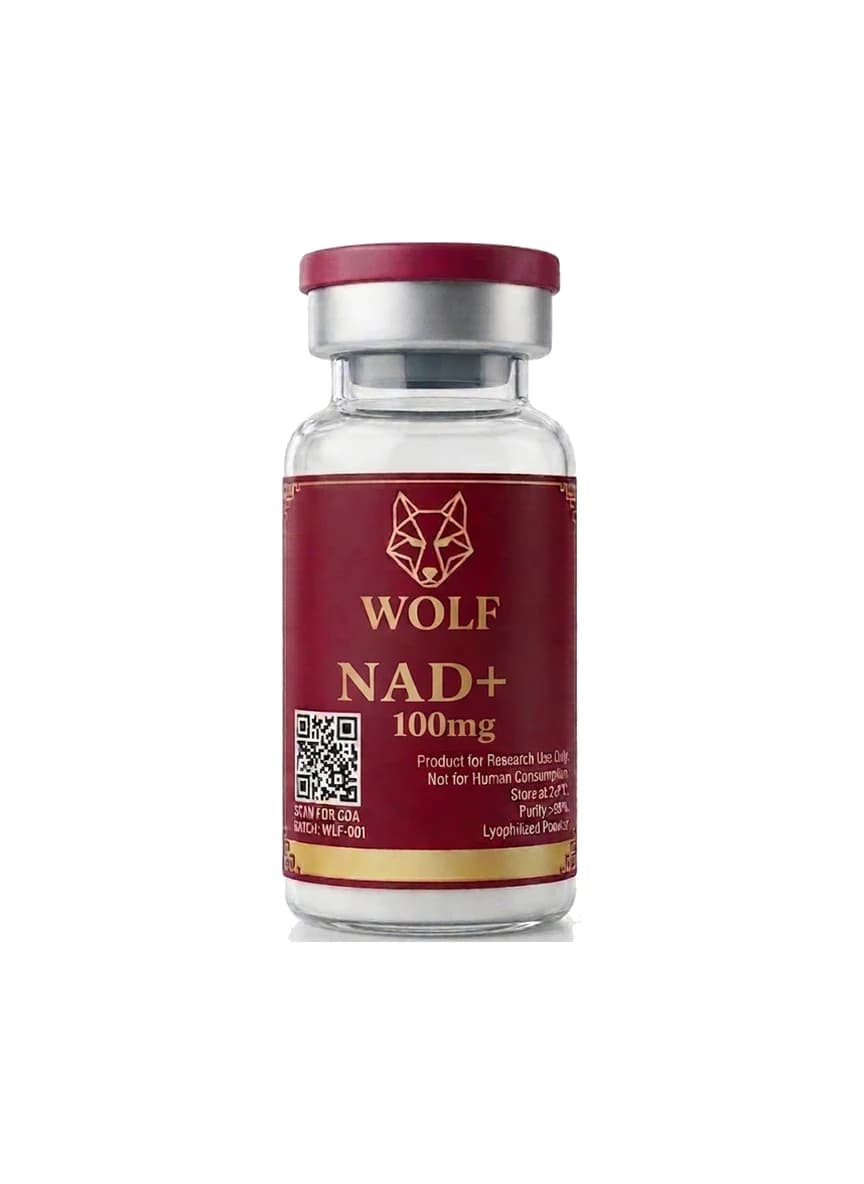
NAD+ is the cofactor for sirtuin deacetylases and PARP DNA-repair enzymes. Tissue NAD+ concentrations decline 50%+ between young and aged subjects in published data. Direct NAD+ supplementation is the most parsimonious research tool for studying sirtuin-mediated aging interventions.
Thymosin Alpha-1 (Tα1) modulates T-cell development and maturation. Aging thymic involution drives immune senescence — research into Tα1 supplementation tests whether exogenous signaling can partially reverse age-related T-cell decline.
Epitalon and NAD+ are the two most foundational — Epitalon for telomere and senescence research, NAD+ for sirtuin and mitochondrial-repair studies. These have the broadest published literature and the most-established research protocols.
Yes — different peptides target different aging hallmarks (telomeres, mitochondria, DNA repair, immune function). Combined protocols targeting multiple hallmarks simultaneously are increasingly common in longevity research, though interaction data is still being established.
Common markers include epigenetic clocks (Horvath, GrimAge, DunedinPACE), telomere length via qPCR, inflammatory markers (CRP, IL-6), NAD+ concentration, and metabolomic profiles. Body composition and grip strength serve as functional endpoints.
Showing 1–8 of 12 products
Page 1 of 2
Skin HealthCalyssee
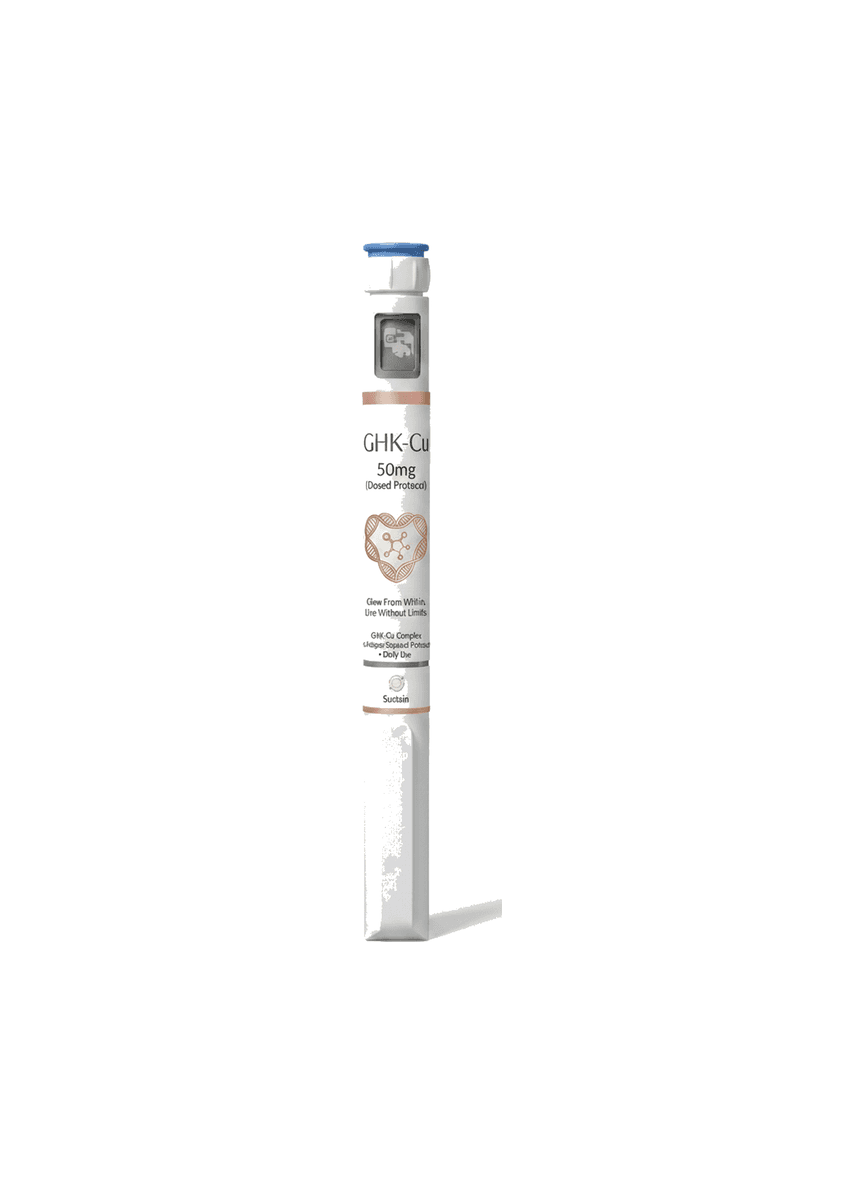
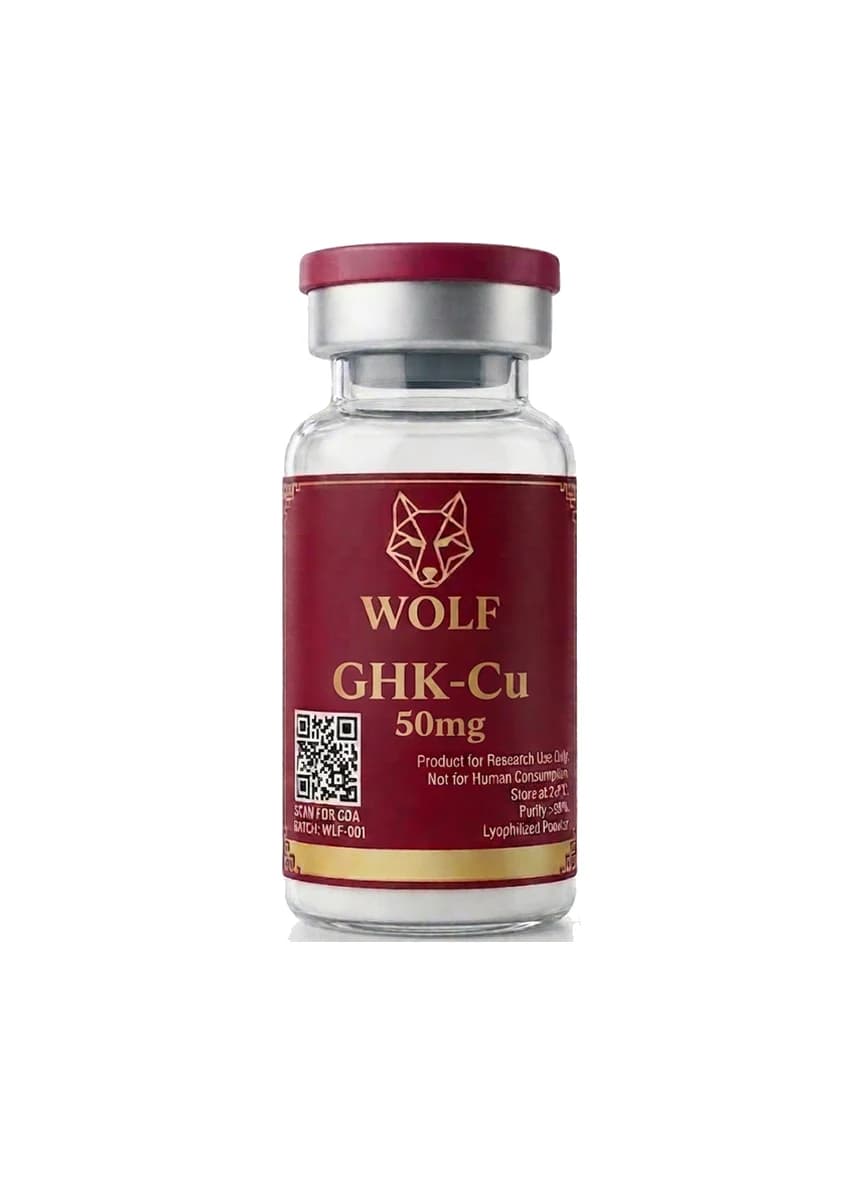
Copper-binding tripeptide (Gly-His-Lys) — naturally occurring peptide studied for collagen synthesis, hair follicle biology, and dermal regeneration.
RecoverySupreme Biologics
Mitochondrial-derived 16-amino-acid peptide studied for metabolic regulation and AMPK activation.
RecoverySupreme Biologics
Nicotinamide adenine dinucleotide — essential coenzyme central to mitochondrial energy metabolism and sirtuin activity.
Skin HealthFourNines
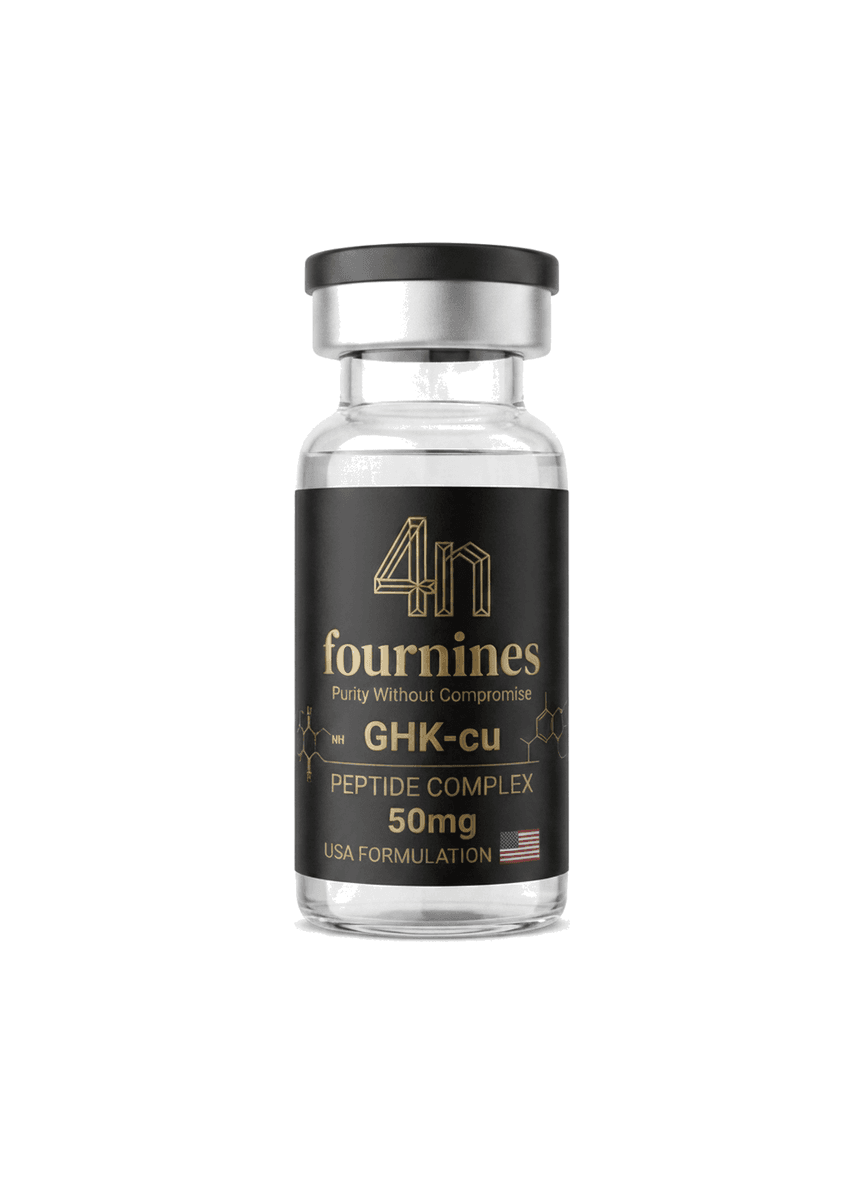
Copper-binding tripeptide (Gly-His-Lys) — naturally occurring peptide studied for collagen synthesis, hair follicle biology, and dermal regeneration.
RecoveryFourNines
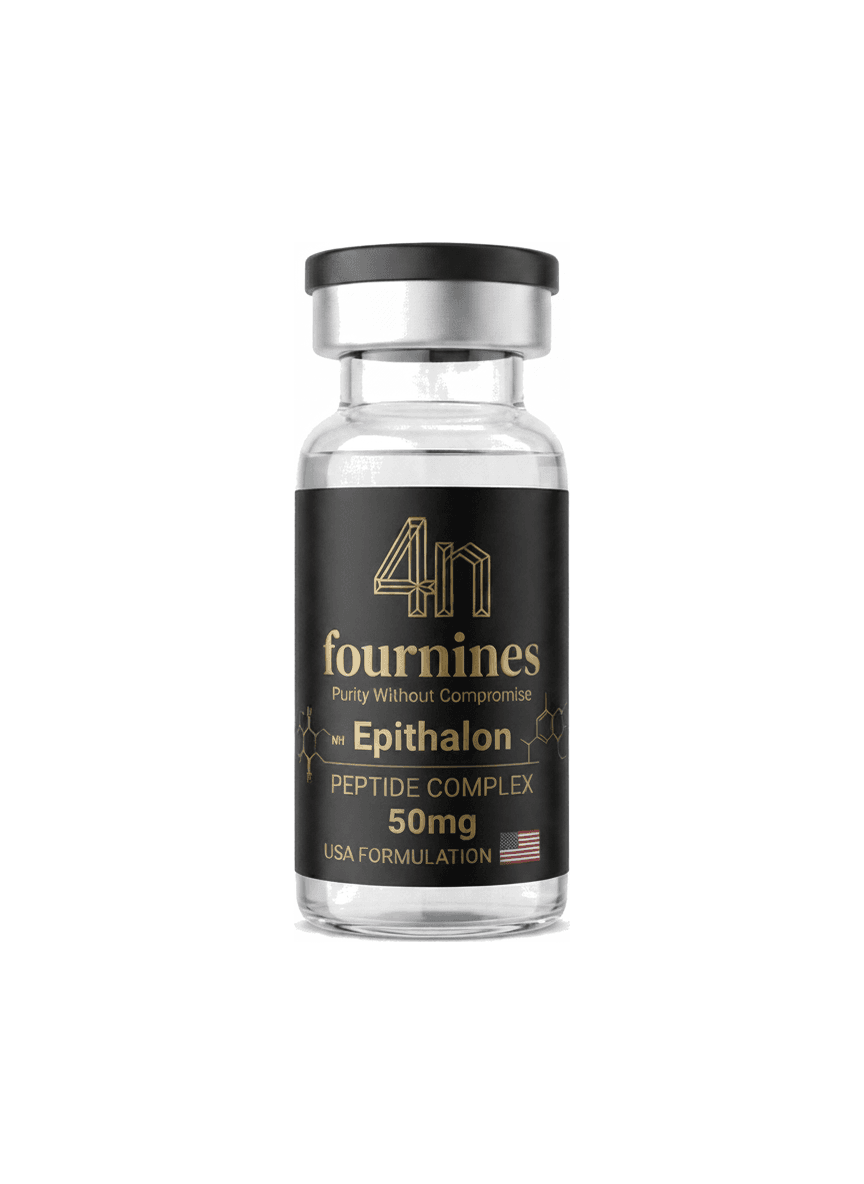
Ala-Glu-Asp-Gly tetrapeptide derived from pineal-gland polypeptide extracts — studied for telomerase upregulation and circadian normalization.
RecoveryFourNines
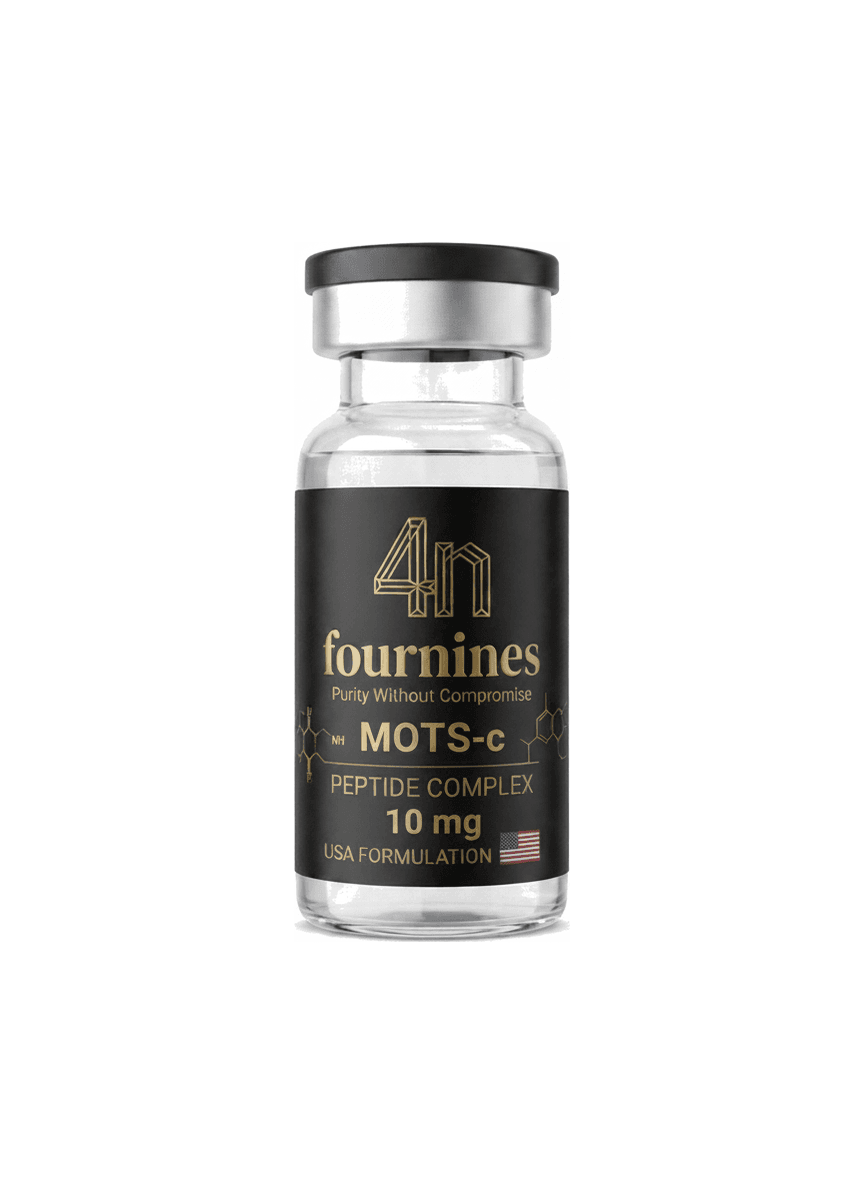
Mitochondrial-derived 16-amino-acid peptide studied for metabolic regulation and AMPK activation.
RecoveryFourNines
Nicotinamide adenine dinucleotide — essential coenzyme central to mitochondrial energy metabolism and sirtuin activity.
ResearchCalyssee
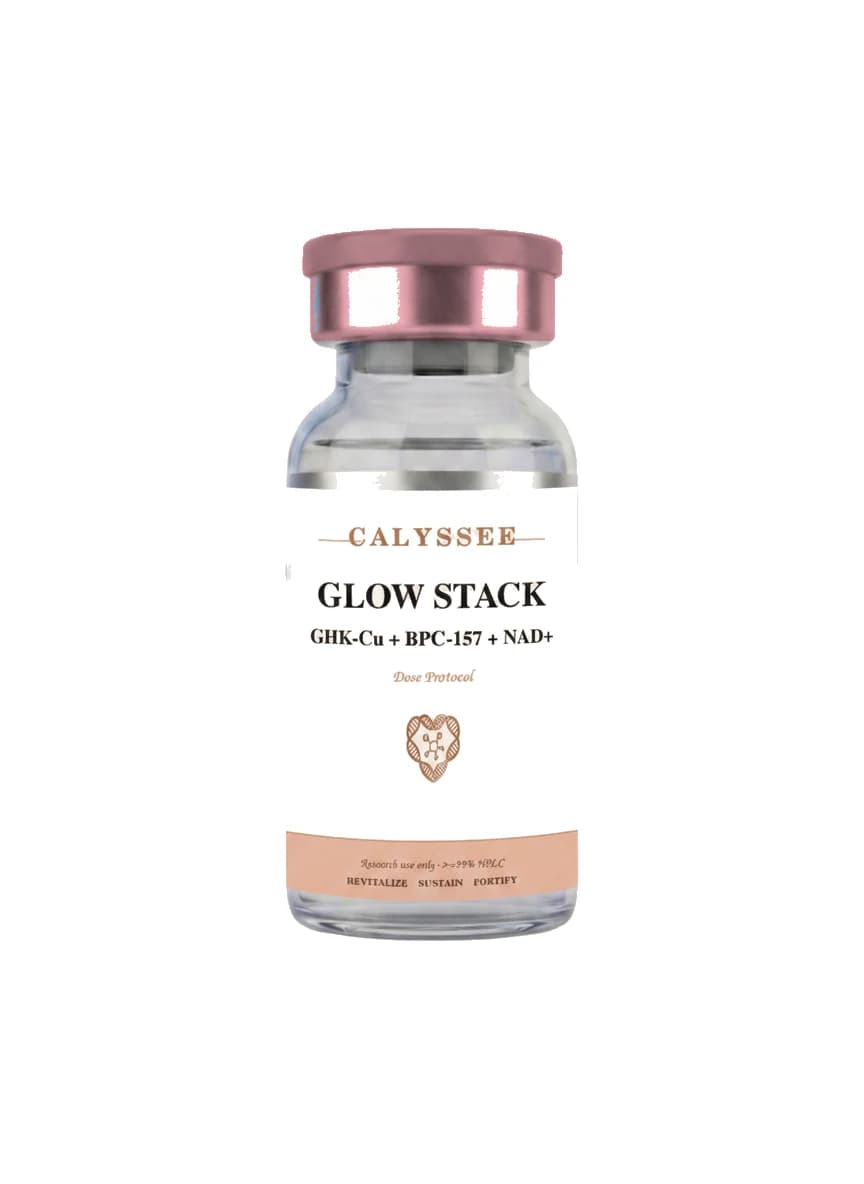
Premium research stack combining three peptides for skin, tissue recovery, and cellular energy metabolism: GHK-Cu 50mg (copper tripeptide driving collagen synthesis), BPC-157 10mg (gastric-derived angiogenic peptide), and NAD+ 500mg in 10ml (mitochondrial coenzyme). ≥99% HPLC verified.