Pharmaceutical-grade research compounds
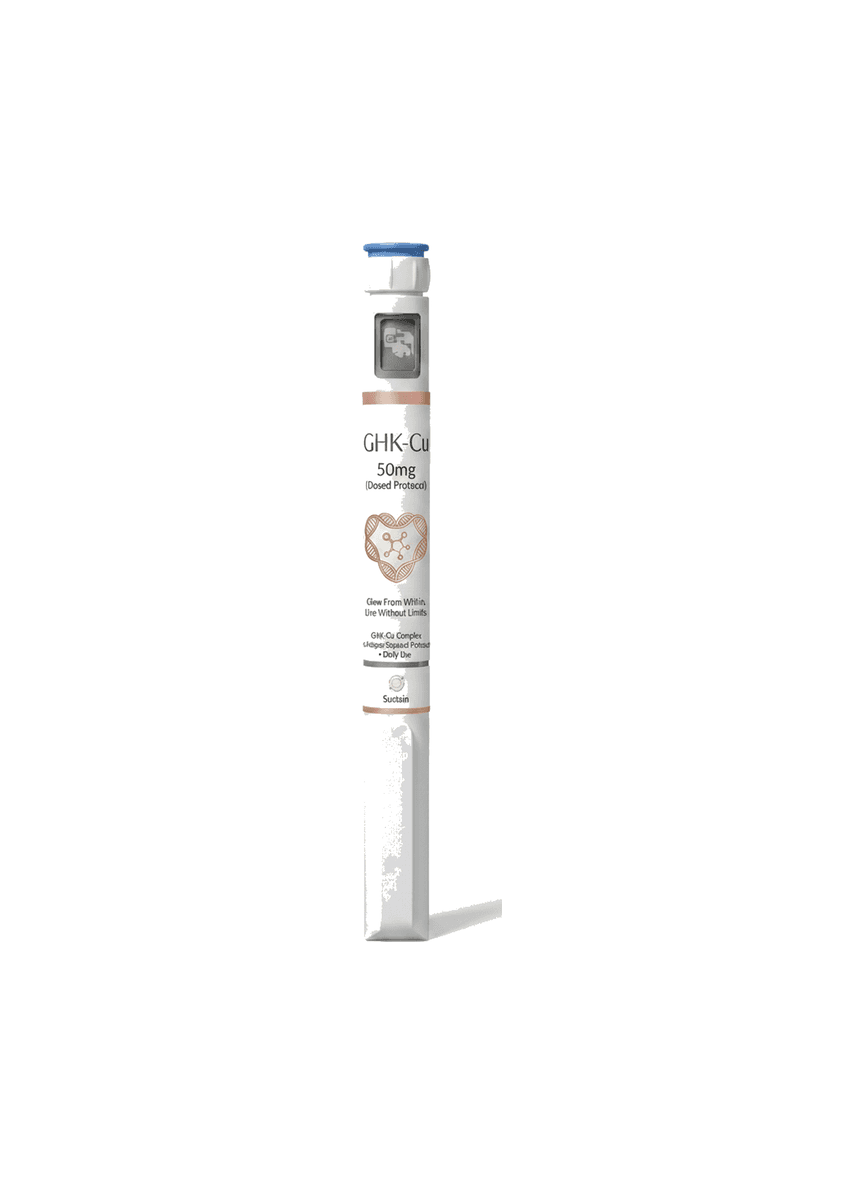
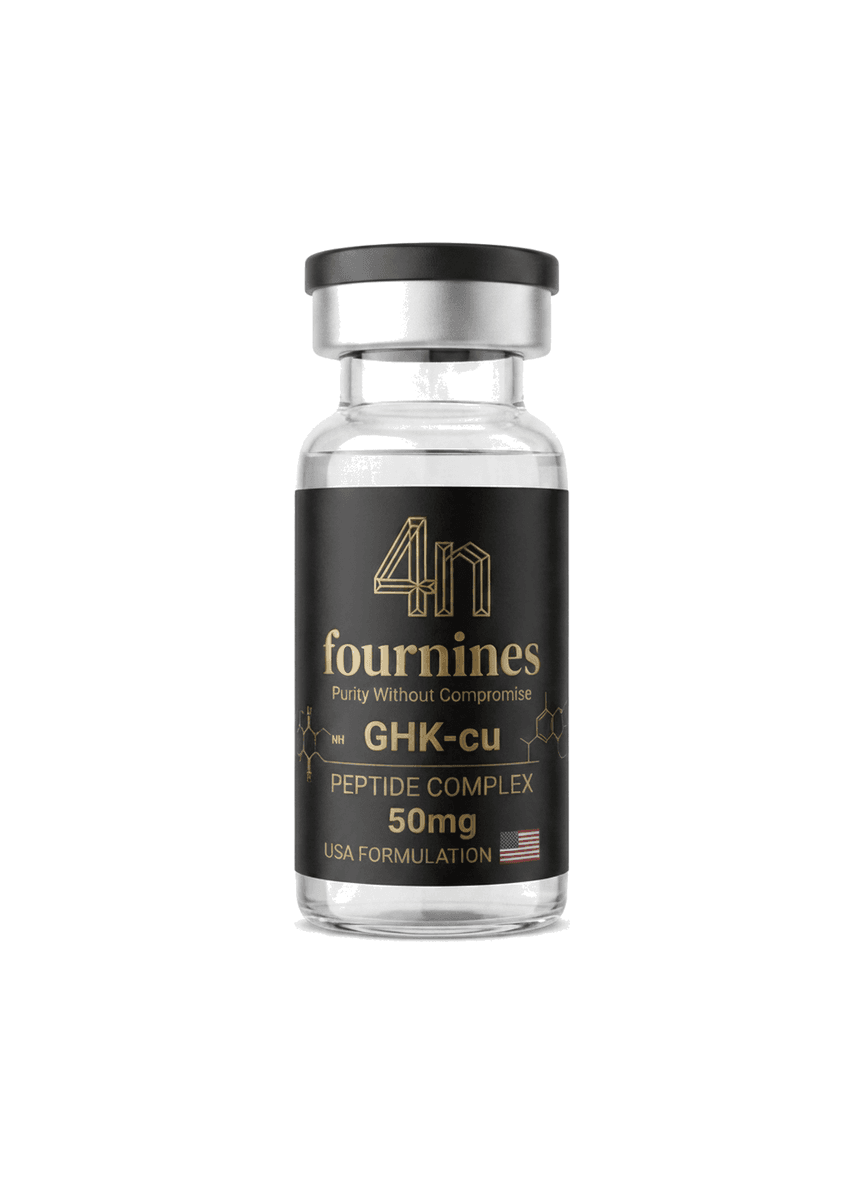
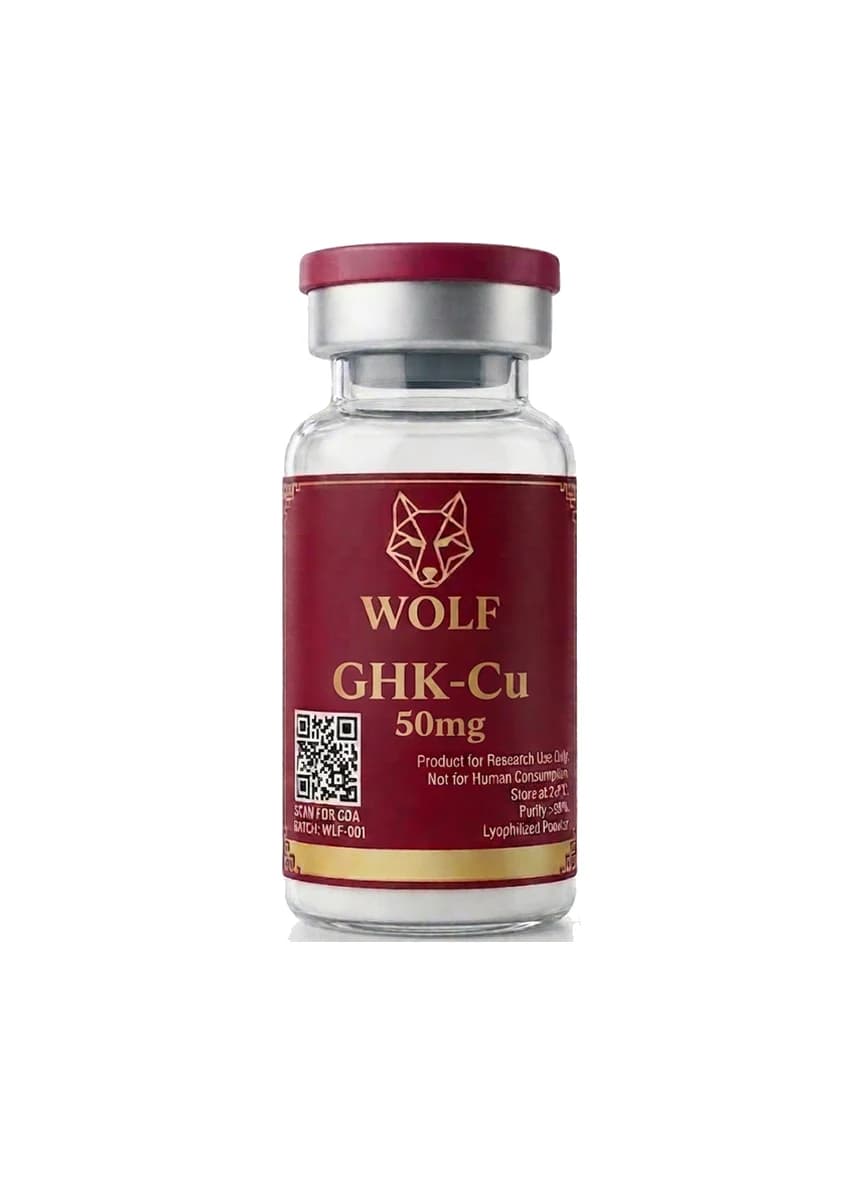
Our skin health category features GHK-Cu (copper peptide) and related compounds that are transforming dermatological and cosmeceutical research. GHK-Cu is one of the most extensively studied peptides in skin biology — with documented effects on collagen synthesis, antioxidant enzyme expression, wound healing, and gene expression modulation. These compounds are essential tools for researchers studying skin aging, tissue remodeling, and regenerative dermatology.
GHK-Cu (glycyl-L-histidyl-L-lysine copper complex) occurs naturally in human plasma, saliva, and urine. Its concentration drops dramatically with age — from ~200ng/ml at 20 to ~80ng/ml by 60. Research shows it stimulates collagen I & III synthesis, promotes glycosaminoglycan production, and modulates 4,000+ human genes.

A landmark 2014 study found GHK-Cu shifts gene expression toward patterns associated with younger tissue. It upregulates DNA repair genes, enhances proteasome function for clearing damaged proteins, and modulates inflammatory signaling — addressing multiple hallmarks of aging simultaneously.
GHK-Cu attracts immune cells to wound sites, stimulates angiogenesis (new blood vessel formation), and promotes organized collagen deposition. It also enhances the activity of metalloproteinases that remodel scar tissue — making it a key compound in wound healing research.
Research demonstrates GHK-Cu increases superoxide dismutase (SOD), glutathione, and other antioxidant enzymes. By strengthening the skin's endogenous antioxidant defense system, it offers a research model for protecting against UV-induced photoaging and oxidative damage.
GHK-Cu is not a simple copper supplement — it's a tripeptide-copper complex that acts as a signaling molecule. The peptide portion (GHK) is what delivers copper to specific cellular targets and activates distinct biological pathways that free copper ions cannot.
The exact mechanism of age-related GHK-Cu decline is still being researched. It appears to correlate with broader changes in peptide signaling and copper metabolism that occur during aging, contributing to the reduced tissue repair capacity observed in older organisms.
A 2014 Broad Institute study identified over 4,000 human genes affected by GHK-Cu — roughly 6% of the human genome. Many of these genes are involved in tissue repair, antioxidant defense, DNA repair, and inflammatory regulation.