
Longevity Research Pillar
Cellular Longevity: Telomere Biology, Mitochondrial Peptides, and the NAD+ Cofactor
Longevity research has matured from a fringe interest into a structured biological framework: the nine "hallmarks of aging" (López-Otín et al., 2013, updated 2023) catalogue the cellular processes whose decline causes biological aging. Peptide and small-molecule research compounds map onto specific hallmarks — telomere attrition, mitochondrial dysfunction, deregulated nutrient sensing, cellular senescence — and the research literature has organized itself around which compounds intersect which hallmarks.
Three compounds dominate the longevity-peptide research space: Epithalon for telomerase and pineal-axis biology, MOTS-c for mitochondrial-derived peptide signaling, and NAD+ as the rate-limiting cofactor for sirtuin-mediated aging-pathway regulation. They are mechanistically distinct, address different hallmarks, and the longevity research stack typically includes multiple compounds for parallel hallmark coverage.
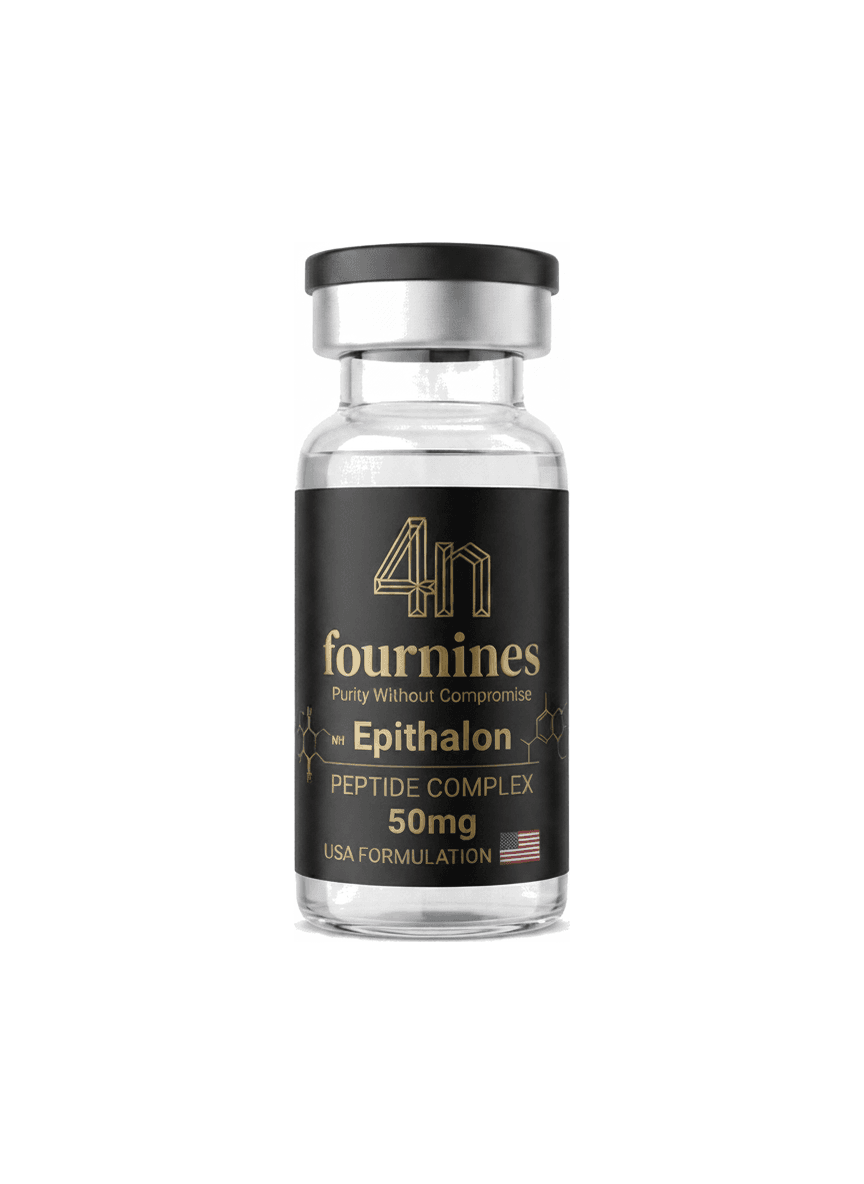
Epithalon: the pineal tetrapeptide and telomerase research
Epithalon (Epitalon, Epithalamin) is a synthetic tetrapeptide (Ala-Glu-Asp-Gly) developed by the St. Petersburg Institute of Bioregulation and Gerontology. Its primary research interest is telomerase activation — published work shows upregulation of telomerase reverse transcriptase (TERT) expression and telomere lengthening in human somatic cell culture and rodent models. The implications for the telomere-attrition hallmark of aging are direct: cells with longer telomeres divide more times before reaching replicative senescence.
Beyond telomere biology, Epithalon shows pineal-axis effects — restoring melatonin secretion patterns toward more youthful profiles in published rodent research, with corresponding effects on circadian rhythm regularity and sleep architecture. The pineal-aging hypothesis (which informed the original Russian research program) frames the pineal gland as a master regulator of biological aging tempo.
Administration is subcutaneous in research protocols, typically 5–10 mg/day for 10–20 day cycles, repeated quarterly. The pulse-dosing pattern reflects the original research observation that continuous high-dose use does not produce additional effect size — telomerase activation is a slow effect that proceeds at its own rate regardless of saturating dose.
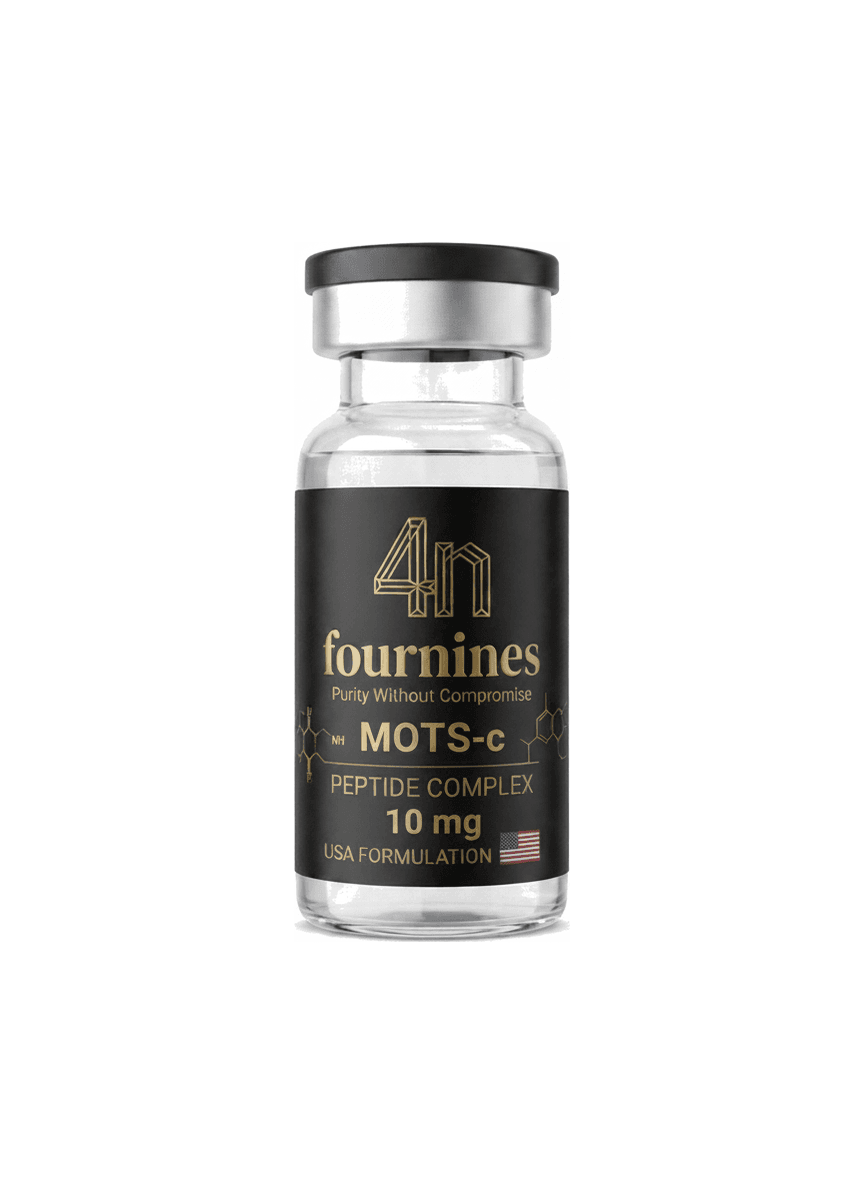
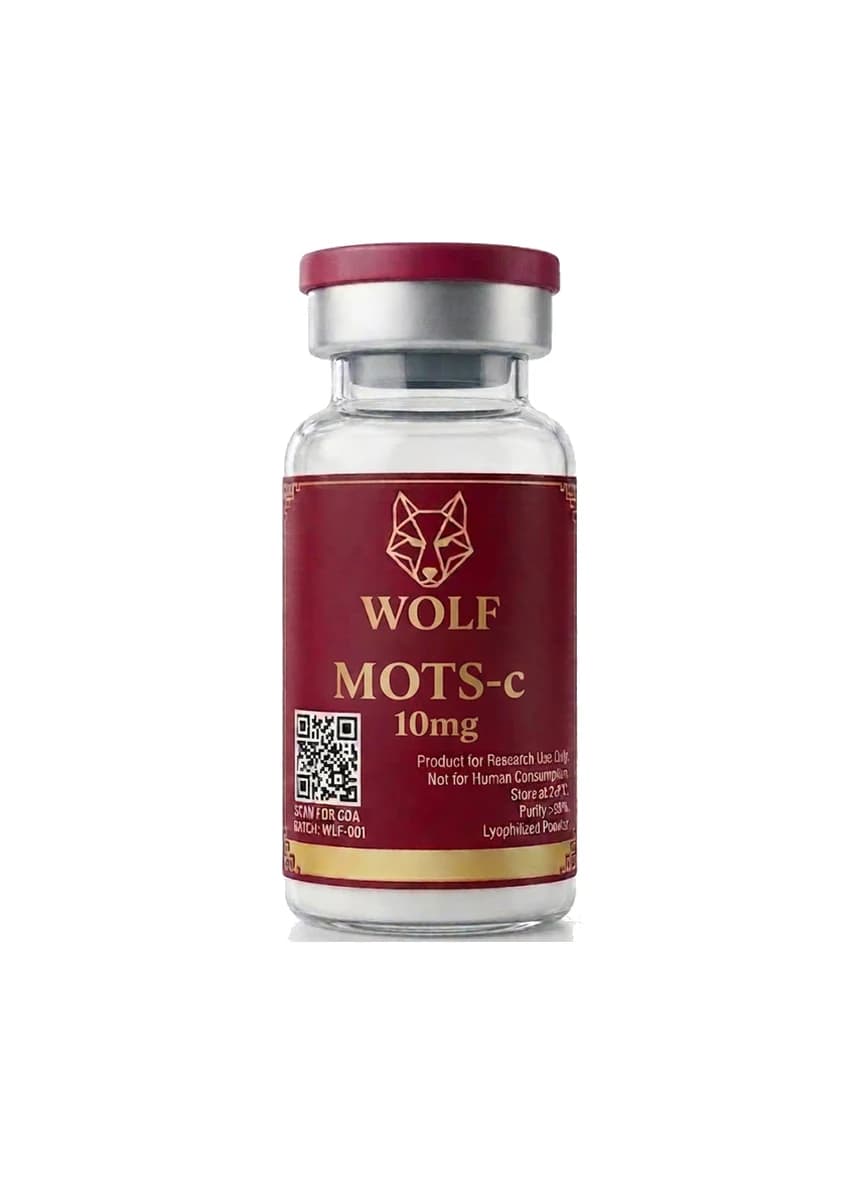
MOTS-c: the mitochondrial-derived peptide
MOTS-c is one of the more recently-discovered peptide classes (Cobb et al., 2015, USC). It is encoded entirely within the mitochondrial genome — a 16-amino-acid peptide whose ORF lives within the 12S rRNA region of mitochondrial DNA. This is unusual: most peptide research compounds are nuclear-genome-encoded. MOTS-c's mitochondrial origin places it at the center of the mitochondrial-dysfunction hallmark of aging.
Mechanistically, MOTS-c acts as an exercise mimetic in mouse models. It activates AMPK, drives glucose uptake into skeletal muscle, modulates mitochondrial biogenesis via PGC-1α, and produces metabolic effects analogous to caloric restriction or sustained aerobic exercise. The translational interest is the metabolic-aging intersection: insulin resistance, sarcopenia, and mitochondrial decline all converge on the AMPK pathway that MOTS-c activates.
Plasma MOTS-c levels decline with age in published human cross-sectional data — paralleling the age-related declines seen in IGF-1, GHK-Cu, and other endogenous longevity-relevant peptides. Exogenous MOTS-c research protocols typically use 5–10 mg subcutaneously, 1–2× weekly, for 8–12 week cycles. Biomarker tracking focuses on insulin sensitivity (HOMA-IR), VO₂max in exercise-physiology protocols, and DEXA body composition.
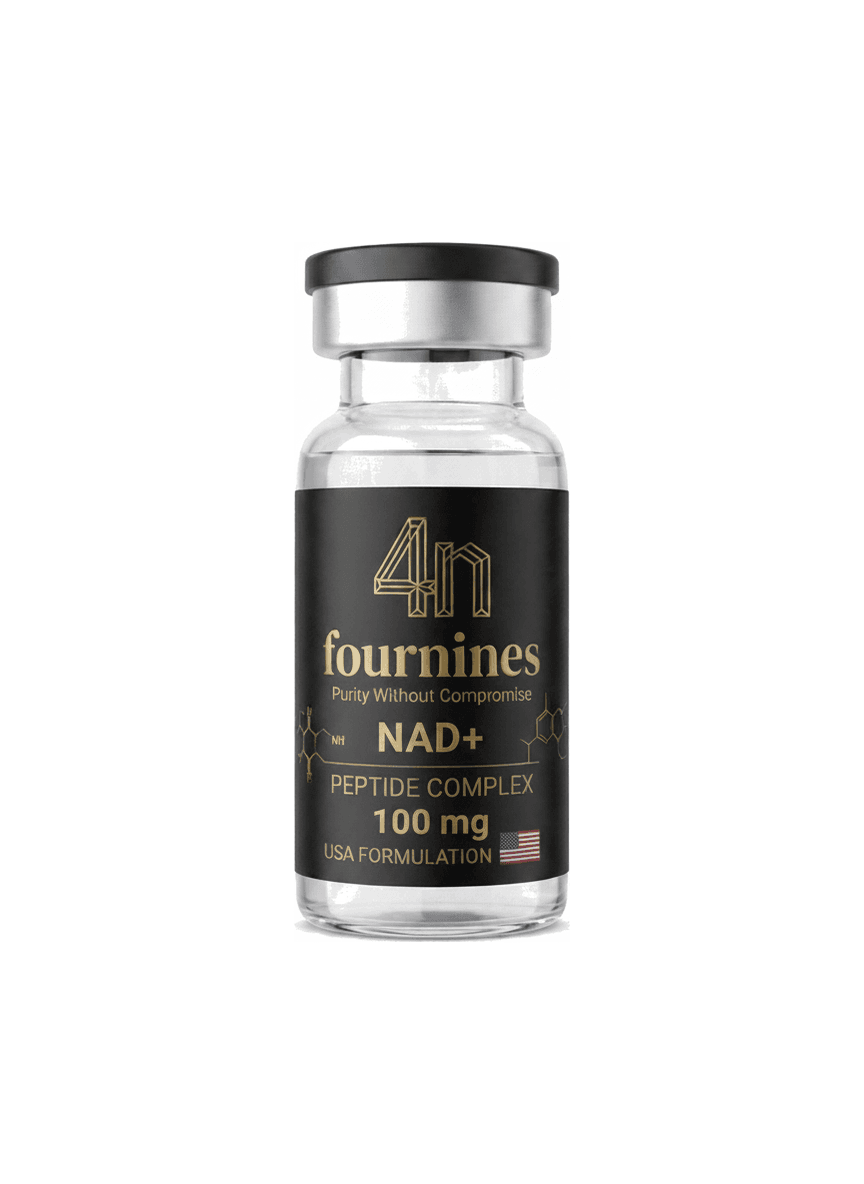
NAD+: the rate-limiting longevity cofactor
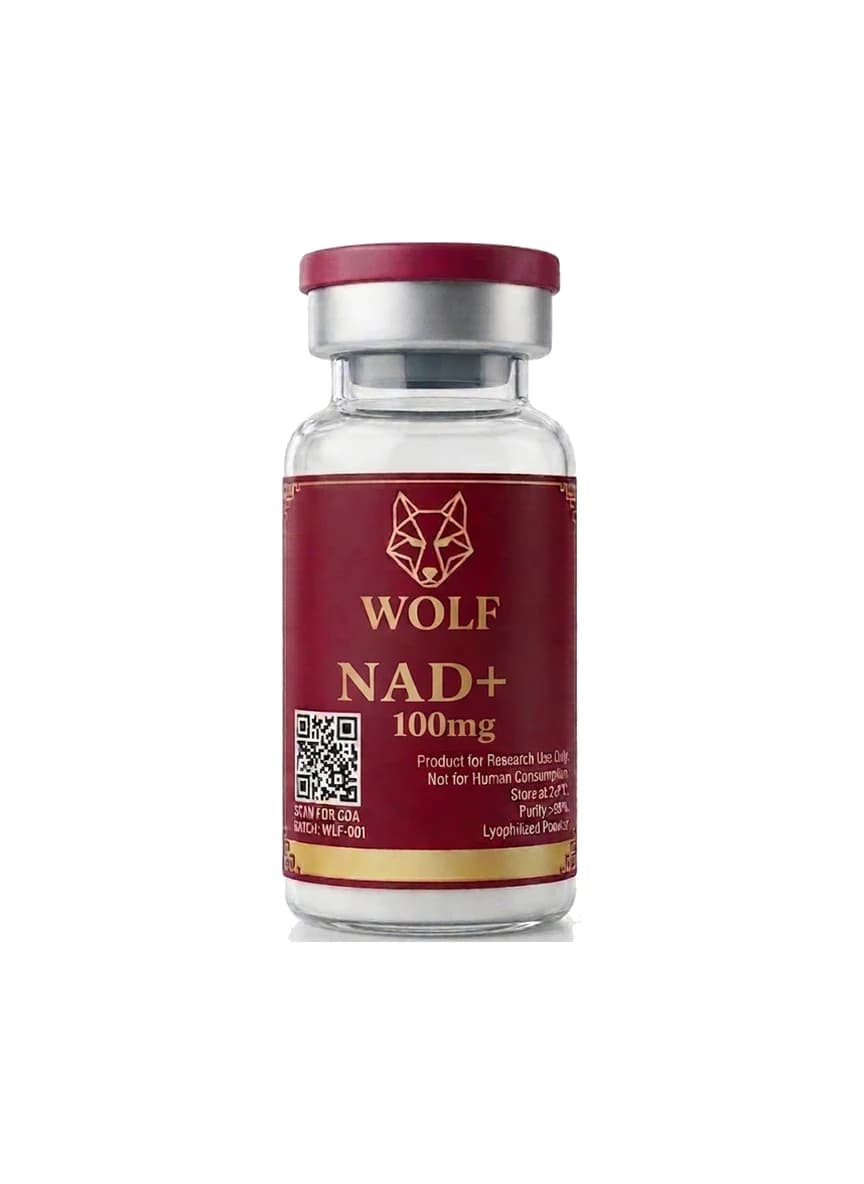
NAD+ (nicotinamide adenine dinucleotide) is not a peptide — it is a small-molecule cofactor. But it sits at the center of the longevity-research stack because the entire sirtuin family of aging-regulating enzymes (SIRT1 through SIRT7) requires NAD+ as a cofactor to function. Sirtuins drive deacetylation of histones and metabolic regulators, govern caloric-restriction-like signaling, and are the most-studied cellular longevity regulators in the literature.
Cellular NAD+ levels decline with age — the consensus estimate is roughly a 40–60% reduction in tissue NAD+ from age 20 to age 80. As NAD+ falls, sirtuin activity falls; as sirtuin activity falls, the metabolic, mitochondrial, and DNA-repair pathways they regulate decline. This is why exogenous NAD+ supplementation (or NAD+ precursors like NR / NMN) sits at the foundation of most published longevity research stacks.
Research administration: NAD+ itself is administered subcutaneously at 50–100 mg per dose 2–3× weekly, OR via slow intravenous infusion at higher doses (250–500 mg per session, monthly). The IV route produces larger but transient elevations; subcutaneous produces smaller but sustained elevations matching the chronic-replenishment model that the longevity literature favors. Stacked with Epithalon and MOTS-c, NAD+ provides the sirtuin-cofactor substrate for the broader cellular-longevity protocol.
Frequently asked
Where do I start for longevity research — Epithalon, MOTS-c, or NAD+?
NAD+ for the broadest baseline because it gates sirtuin function across every other longevity pathway. Add Epithalon for protocols specifically targeting telomere biology or pineal-circadian endpoints. Add MOTS-c for protocols with metabolic-aging or exercise-physiology endpoints. Most published research stacks include all three.
Is Epithalon's telomerase effect real?
Documented in cell-culture and rodent work over 20+ years of Russian-origin research; less extensively replicated in Western journals but the published mechanism is consistent. The cleanest research endpoint is telomere length measurement (qPCR or flow-FISH) — visible cellular-aging effects are slower and harder to quantify.
How do these compounds compare to GLP-1 agonists for "anti-aging" research?
Different domains. GLP-1 agonists target the metabolic-disease subset of aging biology (obesity, type-2 diabetes, cardiovascular). Cellular-longevity peptides target upstream cellular processes (telomere attrition, mitochondrial decline, NAD+ depletion) that drive metabolic aging but also drive aging in tissues GLP-1s do not address (skin, cognition, regenerative capacity).
How long should longevity protocols run?
Cyclical rather than continuous. Epithalon: 10–20 day cycles, repeated quarterly. MOTS-c: 8–12 week cycles, 1–2× weekly dosing within. NAD+: continuous 2–3× weekly indefinitely (the cofactor is consumed continuously, so the depletion model favors sustained replenishment). Track tissue-aging biomarkers (IGF-1, fasting glucose, lipid panel, DEXA) at quarterly intervals.
Research products for this pillar
All cellular repair →


All compounds referenced are chemical reagents for laboratory analysis. See our Terms & Conditions.