How to Reconstitute Lyophilized Peptides
Step-by-step protocol for reconstituting research peptides with bacteriostatic water, including dosage calculations and storage guidelines.
Lyophilized peptides — freeze-dried powders supplied in sealed glass vials — are the standard form for research-grade peptide compounds. Proper reconstitution is critical to maintaining peptide integrity and ensuring reproducible experimental results.
This guide covers the complete reconstitution protocol used in professional research laboratories worldwide.
What You Will Need
Before beginning reconstitution, prepare the following materials:
- Lyophilized peptide vial — sealed, stored at -20°C or 2-8°C per label instructions
- Bacteriostatic water (bacteriostatic water) — sterile water containing 0.9% benzyl preservative
- Insulin syringes — 1ml syringes with 29-31 gauge needles for precise measurement
- Sterile wipes — for sterilizing vial stoppers before needle insertion
- Calculator — for concentration and dosing calculations
Alternatively, sterile water can be used if the reconstituted solution will be used within 24-48 hours. For longer storage periods, bacteriostatic water is strongly recommended.
Step-by-Step Reconstitution Protocol
Step 1: Preparation
Allow both the peptide vial and bacteriostatic water to reach room temperature (approximately 15-20 minutes). Do not attempt to reconstitute cold peptides — thermal shock can denature the compound.
Clean your workspace thoroughly. Wipe down all surfaces with a 70% isopropyl sanitizing wipe. This is a sterile procedure.
Step 2: Calculate Your Concentration
Before adding water, determine your desired concentration. A common research standard:
*5mg peptide + 2.5ml bacteriostatic water = 2mg/ml (2000mcg/ml)*
This means every 0.1ml (10 units on an insulin syringe) contains 200mcg of peptide.
For more dilute solutions: 5mg + 5ml = 1mg/ml, where 0.1ml = 100mcg.
Step 3: Add Bacteriostatic Water
- 1Swab the top of both the peptide vial and bacteriostatic water vial with a sterile wipe
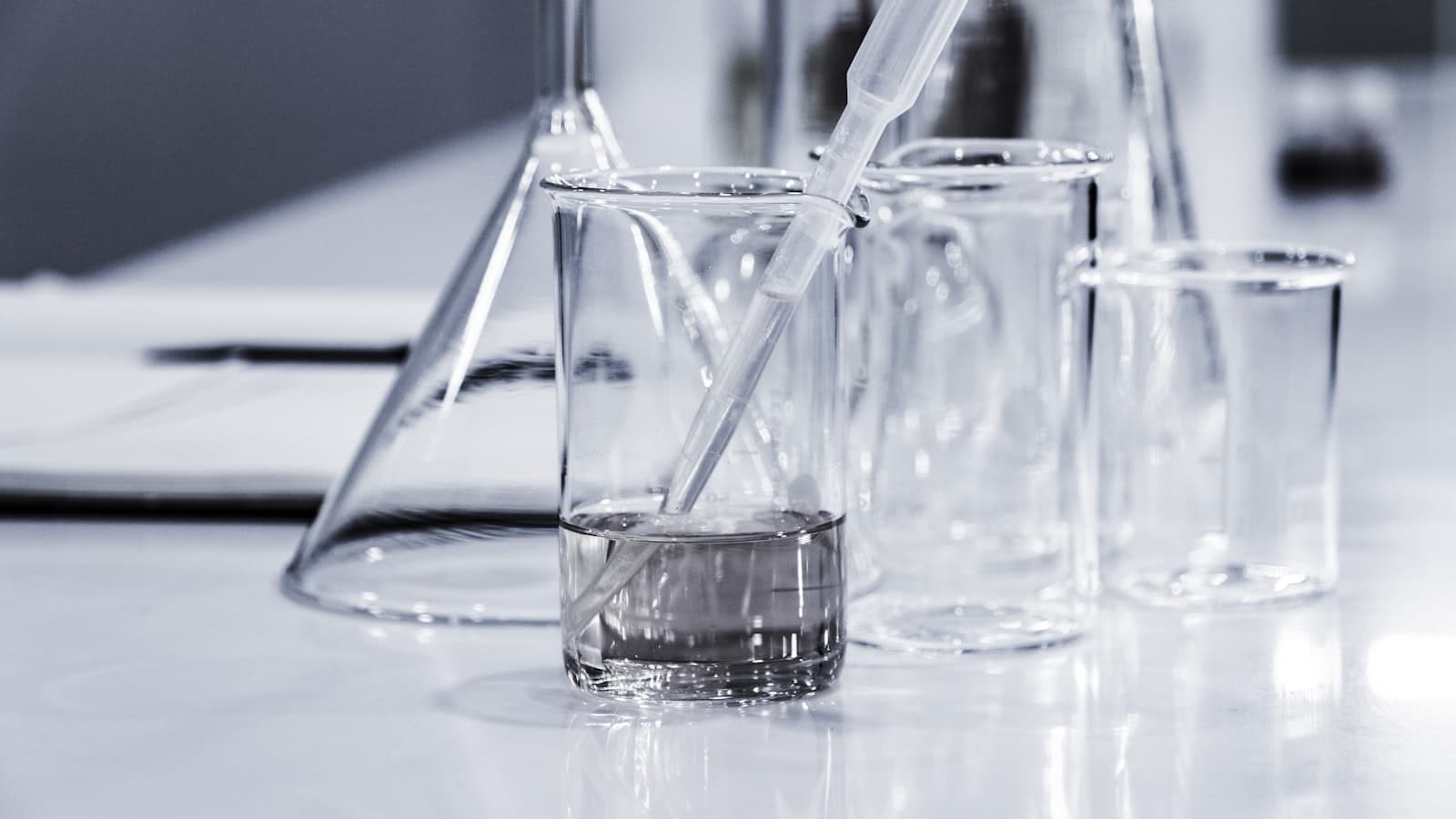
- 2Draw the calculated volume of bacteriostatic water into the syringe
- 3Insert the needle through the rubber stopper of the peptide vial at a slight angle
- 4Slowly dispense the water along the inside wall of the vial — do NOT spray directly onto the powder
- 5Allow the water to gently run down the glass and pool at the bottom
Step 4: Dissolve
Never shake the vial. Aggressive agitation can break peptide bonds and denature the compound.
Instead, gently swirl the vial in a circular motion. Most lyophilized peptides will dissolve within 1-3 minutes. If the powder persists, place the vial in the refrigerator for 15-30 minutes — the cold can help dissolution.
The resulting solution should be clear and colorless. Any cloudiness, particles, or discoloration indicates potential contamination or degradation.
Step 5: Storage
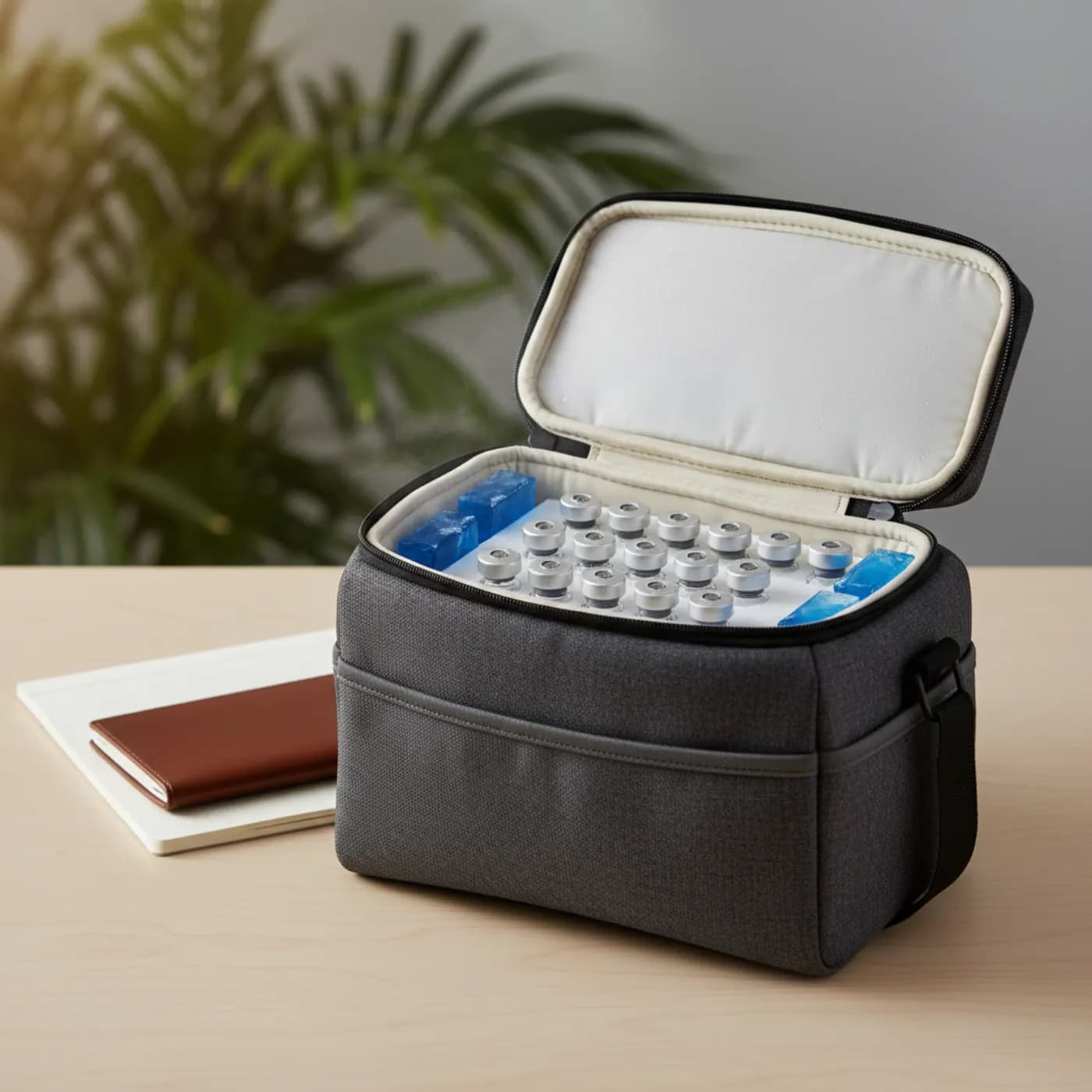
- Store reconstituted peptides at 2-8°C (standard refrigerator temperature)
- Use within 30 days of reconstitution when stored with bacteriostatic water
- Use within 48 hours if reconstituted with sterile water only
- Never freeze reconstituted peptides — ice crystal formation will damage the molecular structure
- If preparing multiple aliquots, do so immediately after reconstitution to minimize repeated needle punctures of the stopper
Common Mistakes to Avoid
- 1Spraying water directly onto the powder — this creates foam and can denature surface-layer peptides
- 2Shaking the vial — mechanical agitation breaks peptide bonds
- 3Using tap water or non-sterile water — introduces contaminants that can degrade the peptide and compromise results
- 4Storing at room temperature — peptides in solution are far less stable than lyophilized powder
- 5Repeated freeze-thaw cycles — if you need multiple doses, aliquot immediately after reconstitution
Quality Verification
After reconstitution, a properly prepared peptide solution should be:
- Clear — no visible particles or cloudiness
- Colorless — any yellow, brown, or other coloration suggests degradation
- Odorless — bacteriostatic water has a very faint preservative scent, but the peptide itself should be odorless
If your solution does not meet these criteria, do not use it for research. Contact your supplier for a replacement.
Dosage Calculation Reference
| Peptide Amount | Water Volume | Concentration | 0.1ml Contains |
|---|---|---|---|
| 2mg | 1ml | 2mg/ml | 200mcg |
| 2mg | 2ml | 1mg/ml | 100mcg |
| 5mg | 2.5ml | 2mg/ml | 200mcg |
| 5mg | 5ml | 1mg/ml | 100mcg |
| 10mg | 5ml | 2mg/ml | 200mcg |
| 10mg | 10ml | 1mg/ml | 100mcg |
All research protocols should document the exact reconstitution parameters used — peptide lot number, water type, volume, date, and storage conditions — for reproducibility.
Shop Referenced Materials
Browse our full catalog of research peptides — every batch ships with full COA and ≥99% HPLC purity. Common starting points: BPC-157 5mg, Ipamorelin 5mg, GHK-Cu 50mg, and bacteriostatic water 3ml.
All products mentioned are chemical reagents intended for laboratory analysis.
Continue Reading
All articles


All products referenced are chemical reagents for laboratory analysis. See our Terms & Conditions.