GHK-Cu vs BPC-157: dermal remodellering vs mjukdelsreparation
GHK-Cu och BPC-157 hör till de mest studerade regenerativa peptiderna i forskningen, men de verkar på fundamentalt olika vävnadsmål. GHK-Cu (kopparpeptid) är referensföreningen för dermal forskning — kollagensyntes, fibroblastsignalering, sårläkning, modulering av genuttryck. BPC-157 är referensföreningen för mjukdelsreparation — senor, ligament, muskel, tarm. Överlappet är verkligt (båda förstärker angiogenes) men de primära användningsfallen konkurrerar sällan.
Denna jämförelse hjälper forskare att välja rätt verktyg för sin specifika vävnadsmodell och markerar när den kombinerade stacken är motiverad.
GHK-Cu
Full entry →- Class
- copper peptide
- Half-life
- ~7 hours subq (topical longer)
- Dose
- 1–3 mg SC/day OR topical solution
- Route
- subq or topical
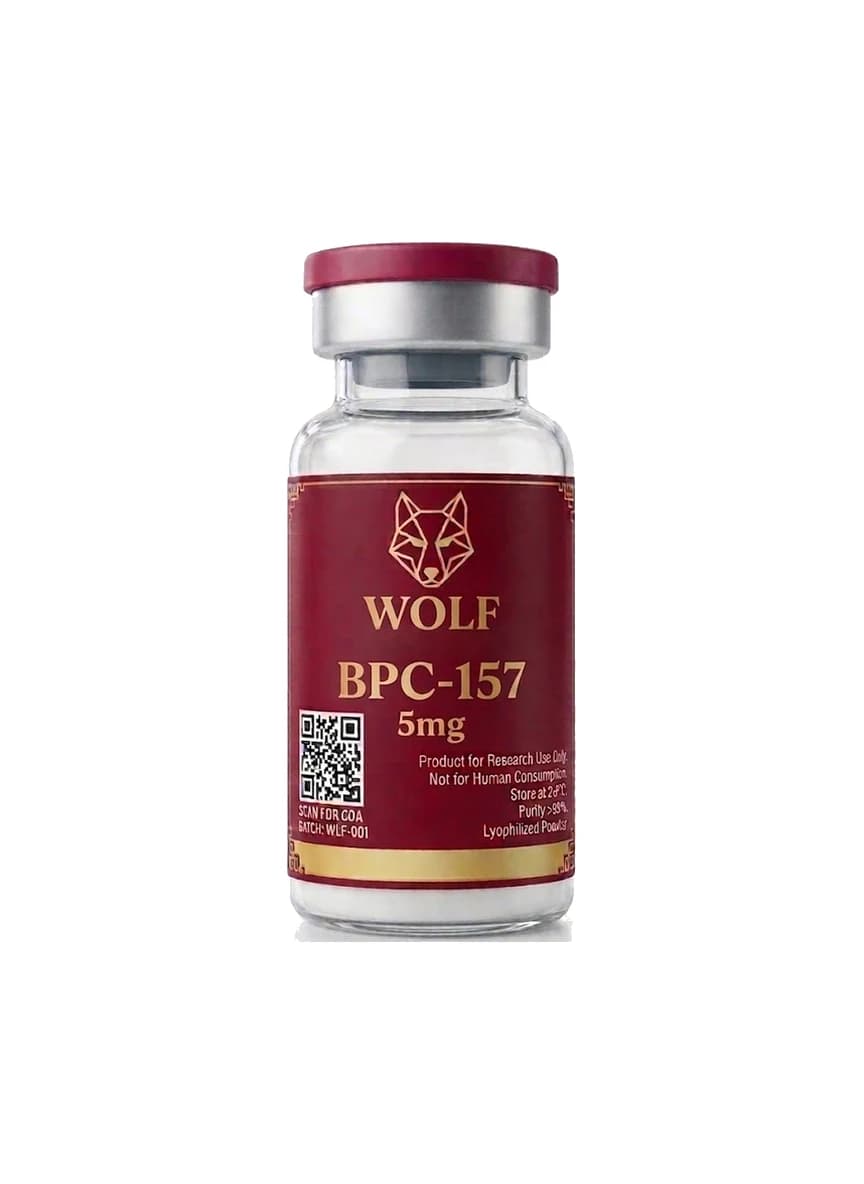
BPC-157
Full entry →- Class
- healing peptide
- Half-life
- ~4 hours (est., subq)
- Dose
- 250–500 mcg/day
- Route
- subq / IM (local to injury preferred)
Key differences at a glance
| Property | GHK-Cu | BPC-157 |
|---|---|---|
| Primär målvävnad | Hud, hårfolliklar, dermal matrix | Senor, ligament, tarm, muskel |
| Klass | Kopparpentrapeptid | 15-aa-läkande peptid |
| Mekanism | Kollagen I/III-syntes, MMP-modulering, SOD-uppreglering | Tillväxtfaktorsignalering, NO-modulering, angiogenes |
| Administrering | Topiskt ELLER SC-injektion | SC / IM-injektion (lokalt till skada) |
| Typisk dos | 1–3 mg SC/dag eller 1–2% topiskt | 250–500 mcg SC/dag |
| Effekt på genuttryck | Modulerar ~4 000 mänskliga gener (Broad-studie 2014) | Tillväxtfaktorsspecifik uppreglering |
| Bäst för | Hudåldrande, hår, sårläkning, antioxidantforskning | Sen-/ligamentbristningar, tarminflammation, muskelreparation |
Mekanism: dermal vs muskuloskeletal biologi
GHK-Cu är en tripeptid (glycyl-L-histidyl-L-lysin) som naturligt komplexeras med koppar i humanplasma. Koncentrationen sjunker från ~200 ng/mL vid 20 års ålder till ~80 ng/mL vid 60 — skälet till att åldersrelaterad hudförsämring så tydligt korrelerar med forskningen på GHK-Cu-tillskott. Broad Institute-studien 2014 identifierade GHK-Cu som modulator av ~4 000 mänskliga gener — många involverade i DNA-reparation, antioxidantförsvar och inflammationsreglering. Denna bredd i genuttryckspåverkan gör GHK-Cu till ett forskningsverktyg som skär igenom flera åldrandekännetecken samtidigt.
BPC-157 är ett fragment av ett protein som finns i human magsaft. Mekanismen är mer fokuserad — uppreglering av specifika tillväxtfaktorer (EGF, FGF, VEGF, NGF), modulering av kväveoxidsystemet och lokal angiogenes vid skadeplatser. Det saknar GHK-Cu:s genuttrycksbredd, men överträffar GHK-Cu avsevärt i muskuloskeletala och tarmreparationsmodeller.
Stapling för kombinerad forskning
Fall där båda föreningarna får plats i ett och samma protokoll är specifika: sårläkningsforskning (båda förstärker angiogenes, GHK-Cu driver kollagendeposition, BPC-157 driver tillväxtfaktorsignalering), postoperativ hud- plus mjukdelsåterhämtning samt "beauty stack"-protokoll där dermal remodellering och mjukdelsreparation löper parallellt.
För de flesta forskare: välj utifrån målvävnad — hud/hår/dermalt åldrande → GHK-Cu; muskuloskeletalt/tarm/sena → BPC-157. Överlappet är verkligt men smalt.
When to pick each
Pick GHK-Cu when
- Hudåldrande, dermal remodellering, fotoåldrande, forskning på hårfollikel.
- Antioxidant- / oxidativ stress-forskning (uppreglering av SOD, glutation).
- Bred genuttrycksforskning — GHK-Cu modulerar tusentals gener.
Pick BPC-157 when
- Forskning på senor, ligament, muskelkross, ledkapsel.
- Forskning på tarmepitel / inflammation (NSAID-lesioner, IBD-nära modeller).
- Lokal-skadeforskning där proximal injektion är avgörande för effekten.
Frequently asked
Konkurrerar GHK-Cu och BPC-157 om någon receptor?
Nej. GHK-Cu verkar i stor utsträckning via direkt cellupptag och modulering av genuttryck, med koppar som kofaktor. BPC-157 verkar via tillväxtfaktorreceptorvägar och NO-modulering. De kan köras parallellt utan receptorkonkurrens, vilket är skälet till att kombinerade dermal-och-mjukdels-forskningsprotokoll ofta använder båda.
Är topisk GHK-Cu lika effektiv som injektion?
För dermal forskning är topisk GHK-Cu (1–2% i bärare) standardvägen — det är vad merparten av den publicerade kosmeceutiska forskningen använder. Injicerad GHK-Cu når systemiska koncentrationer och används för forskning bortom dermatologin (sårläkning, vävnadsregeneration). BPC-157 är strikt injicerbart för meningsfull effekt.
Vilken har mer publicerade humandata?
GHK-Cu har den längre och bredare humandatahistoriken — mer än 40 års forskning inom dermatologi, kosmeceutisk vetenskap och cellsignaleringsbiologi. BPC-157 har en växande humandatabas men är fortfarande tyngre djurmodellsstuderat. Båda uppfyller de analytiska krav som behövs för forskningskvalitet.
Kan jag stapla dem i ett "beauty + recovery"-protokoll?
Ja — det är en av de kanoniska kombinerade stacksen. GHK-Cu driver forskningen på kollagen och dermal matrix; BPC-157 stöder mjukdels- och vaskulär reparation. Båda levereras av LifeSpanSupply förkombinerade i vår Beauty Stack för forskare som vill ha ett protokollanpassat paket.
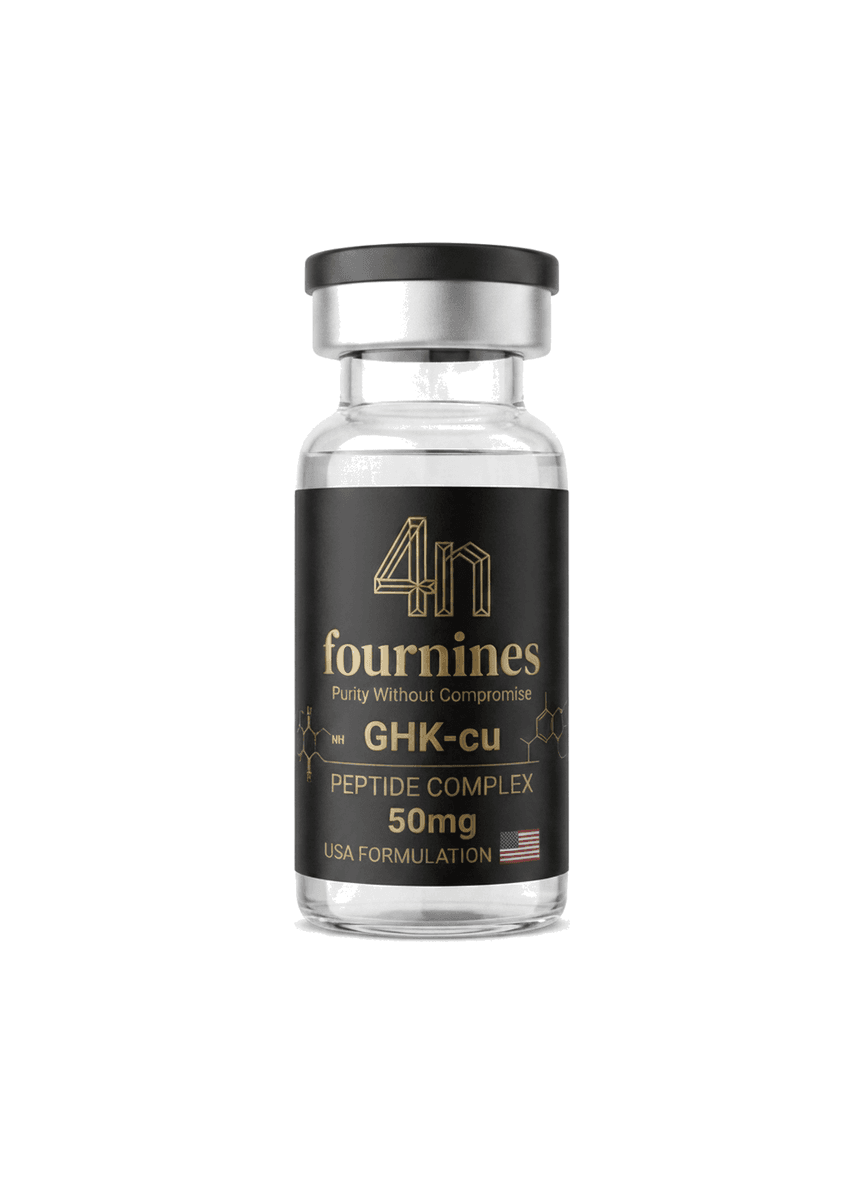
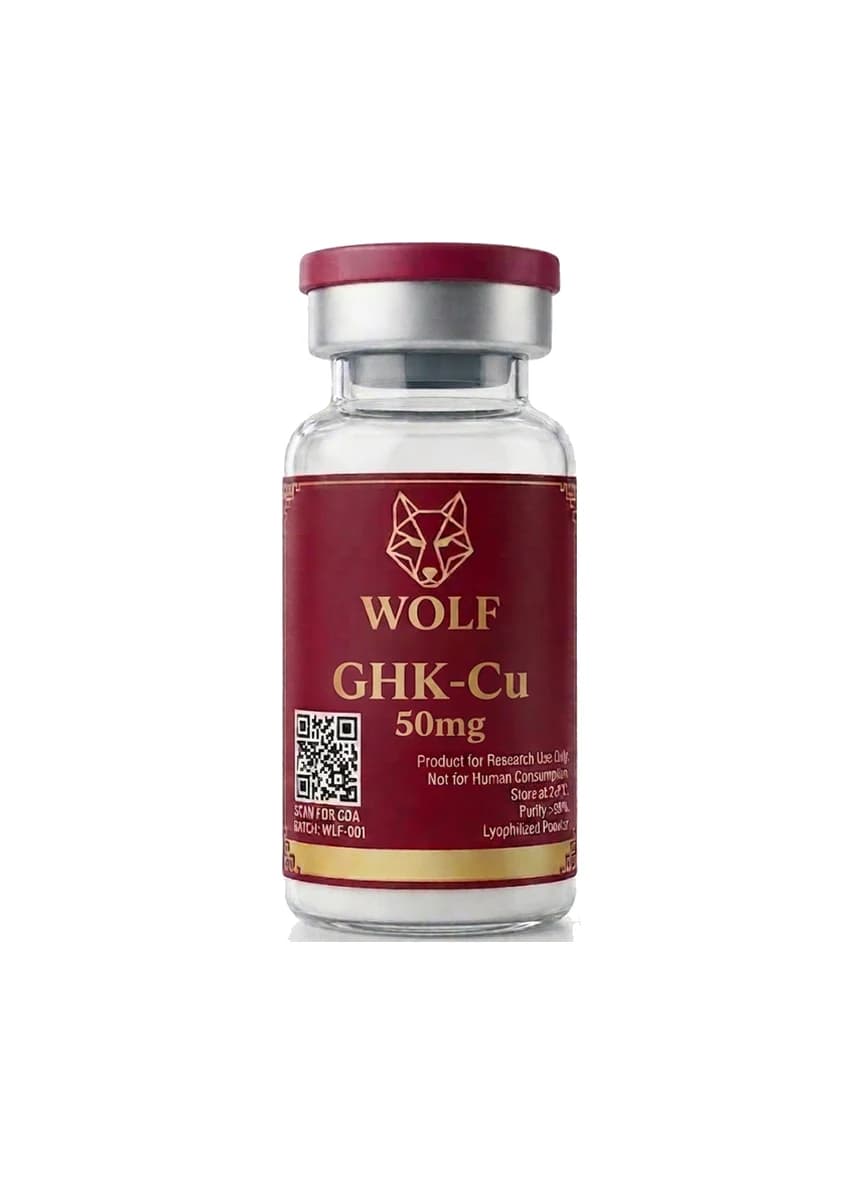
Shop GHK-Cu
All products →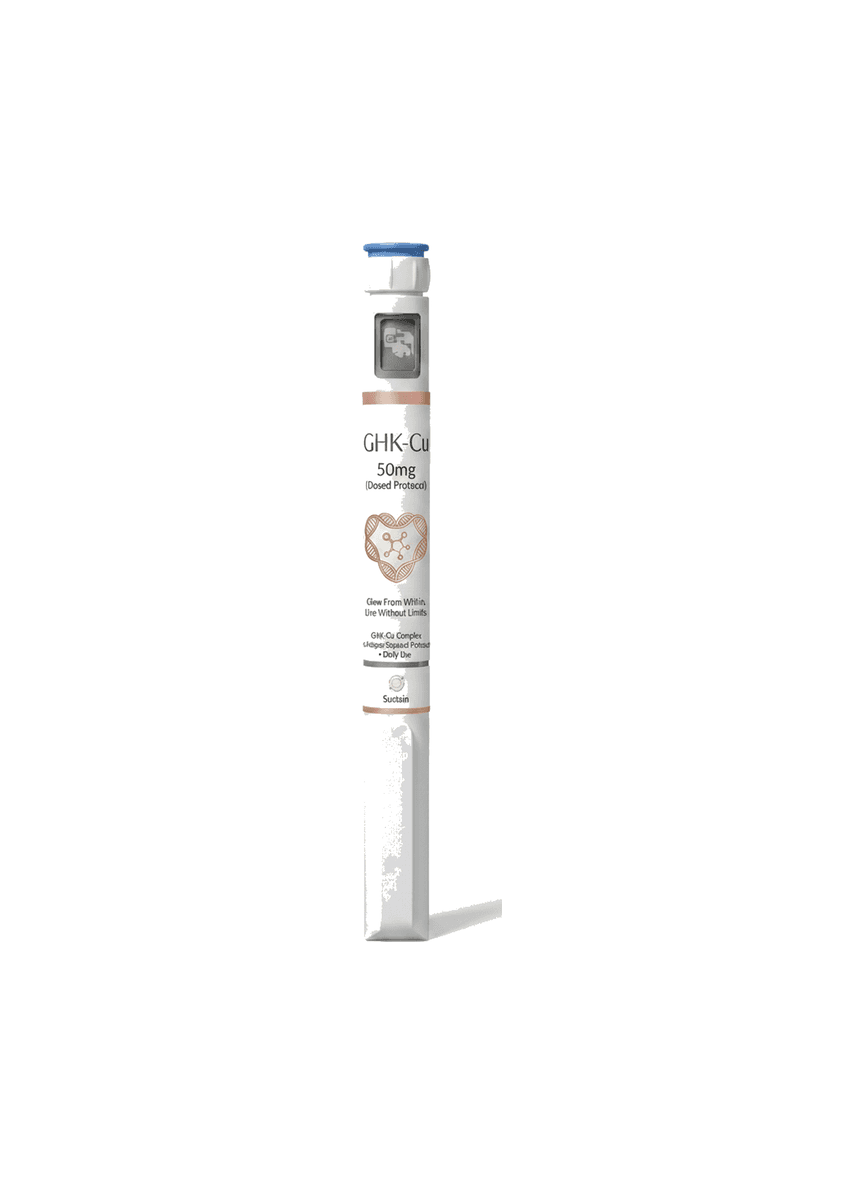
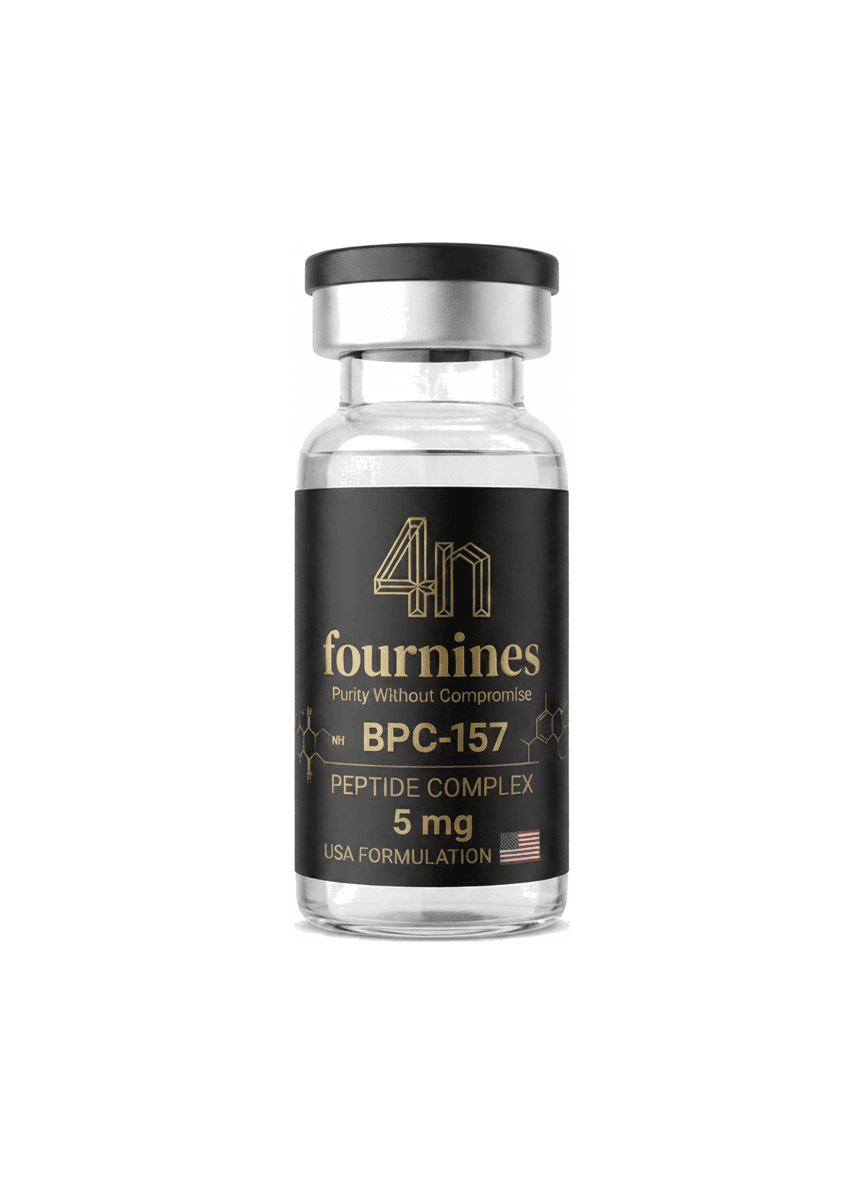
Shop BPC-157
All products →
Comparison guides summarize research-context differences. All compounds are chemical reagents for laboratory analysis. See our Terms & Conditions.