
Cognitive Research Pillar
Cognitive Peptides: BDNF, Anxiolysis, and Neuroprotection Without Sedation
Cognitive peptide research occupies a domain that small-molecule pharmacology has historically struggled with: producing measurable cognitive effects without the sedation, dependence liability, or receptor downregulation that characterize benzodiazepines, classical stimulants, or SSRIs. The Russian-origin synthetic peptide class — Selank, Semax, and the broader Cerebrolysin neuropeptide complex — emerged from a research program explicitly designed to find this balance.
These compounds operate through neurotrophic factor regulation (BDNF, NGF, GDNF) rather than direct receptor agonism. BDNF in particular is the most-studied neuroplasticity protein in the cognitive-aging and depression literature; pharmacological tools that upregulate it have been the subject of intense translational research for two decades. Selank and Semax are the most accessible research compounds in this space.
Key peptides
Mechanism: neurotrophic upregulation, not receptor agonism
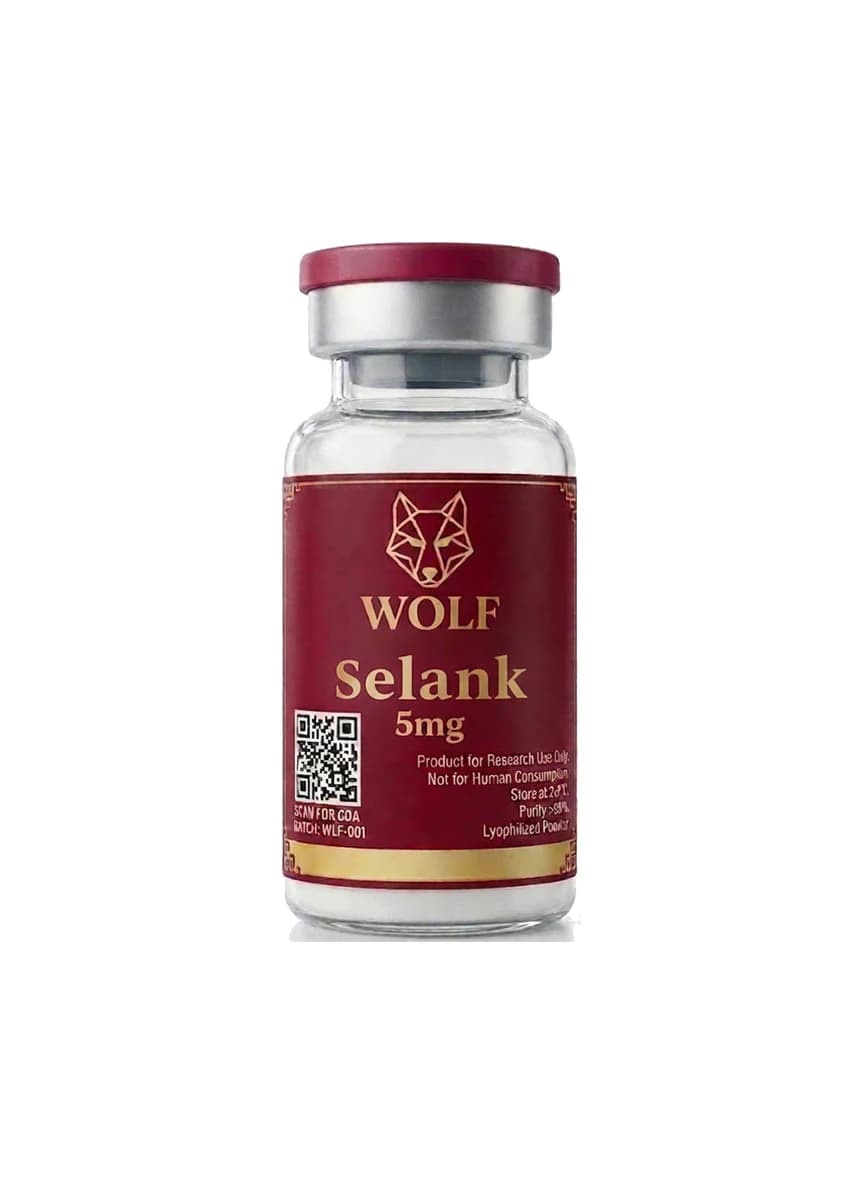
Selank is a synthetic heptapeptide analog of tuftsin (a natural immunopeptide). In rodent models its anxiolytic effects map to GABAergic modulation — but indirectly, via BDNF-mediated upregulation of GABA-A receptor expression rather than direct binding. This is the mechanistic distinction that explains the absence of sedation, motor impairment, or dependence liability that characterize direct GABAergic agonists like benzodiazepines.
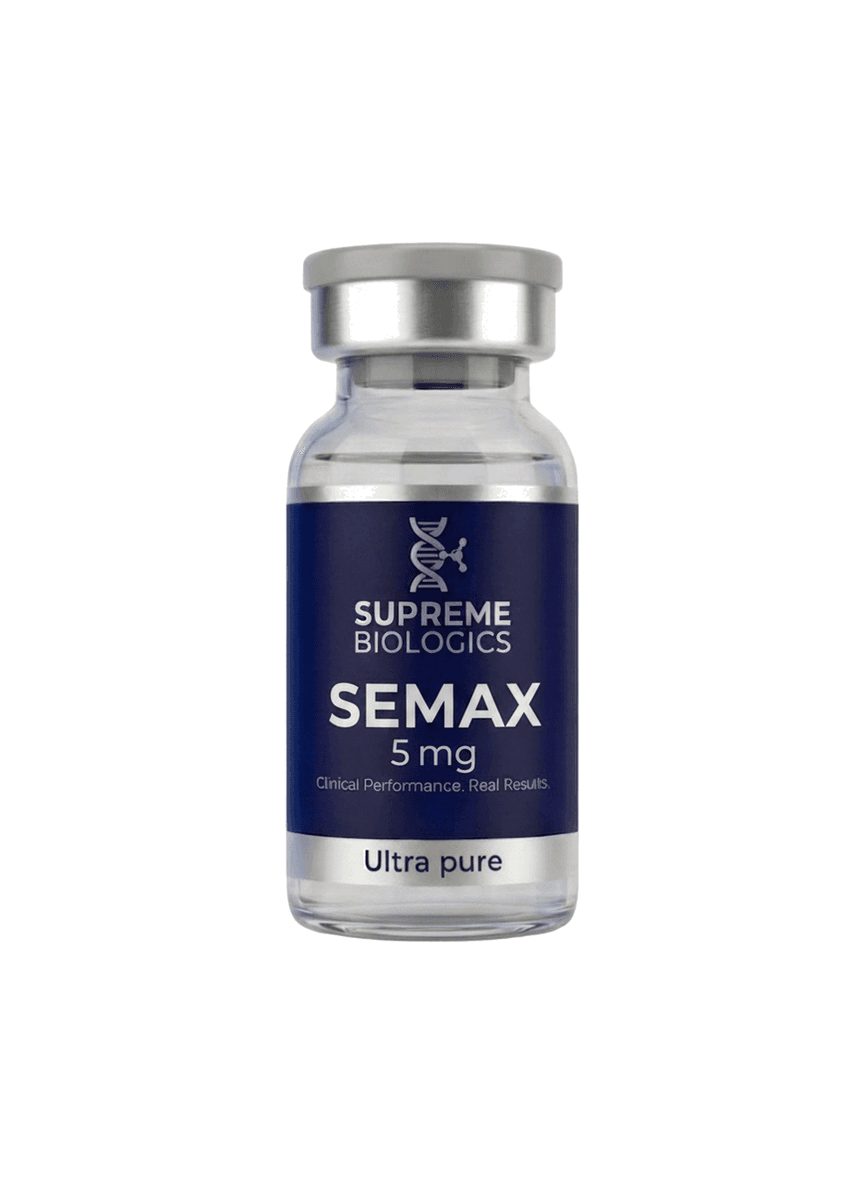
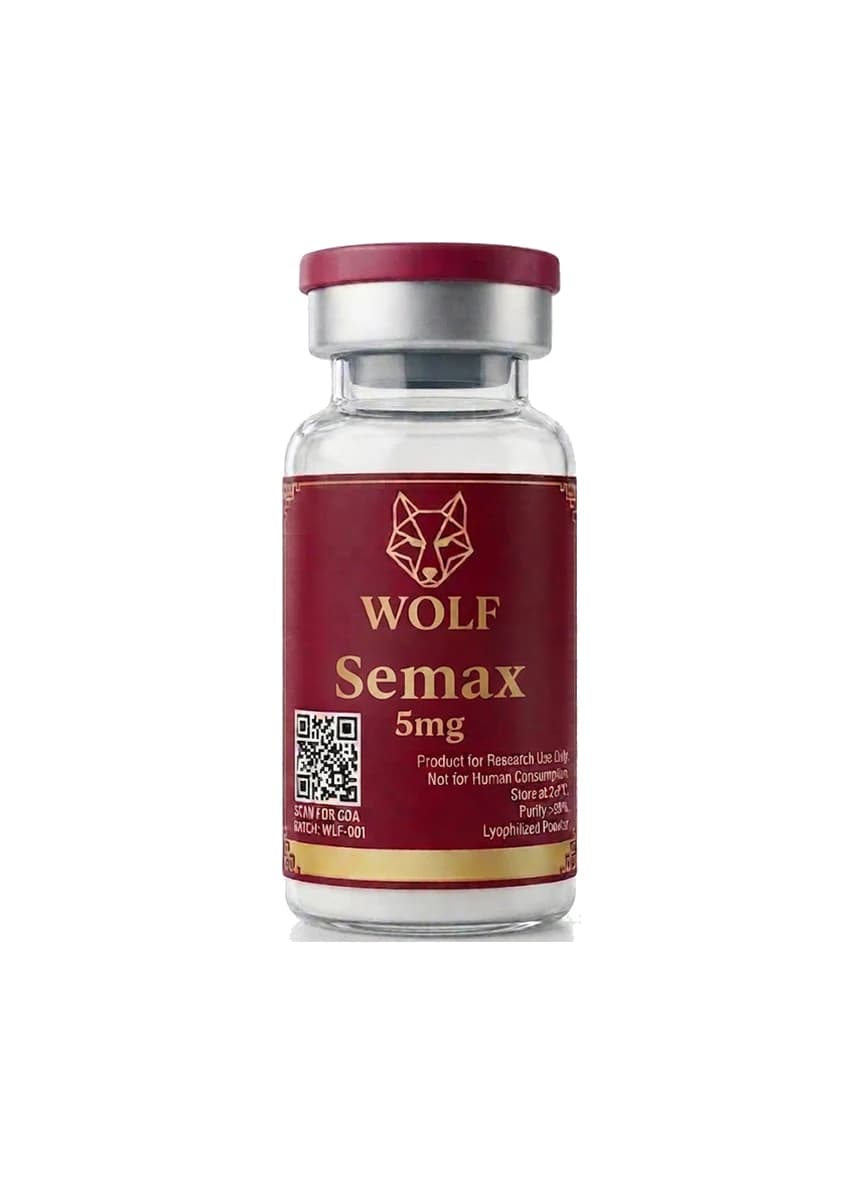
Semax is a synthetic heptapeptide based on a fragment of ACTH (adrenocorticotropic hormone), but stripped of the hormonal activity. Its primary mechanism is BDNF and NGF upregulation in the prefrontal cortex and hippocampus, with documented effects on dopaminergic and serotonergic tone in published rodent work. The cognitive-enhancement literature focuses on attention, working memory, and stress-resilience endpoints.
Cerebrolysin is a more complex compound — a porcine-brain-derived neuropeptide preparation containing low-molecular-weight peptide fractions and free amino acids. Its research base is older, broader, and largely European. Where Selank and Semax produce focused mechanistic effects, Cerebrolysin produces broader neurotrophic effects studied in stroke recovery, traumatic brain injury, and Alzheimer's research.
Anxiolysis without sedation: the Selank profile
The clinical-research observation that drives Selank's research interest is the dissociation of anxiolytic effect from sedation. Benzodiazepine anxiolysis is inseparable from sedation, motor impairment, and cognitive blunting because both effects flow from the same direct GABA-A receptor agonism. Selank's indirect mechanism preserves the anxiolytic signal while leaving cognitive performance, motor coordination, and arousal intact.
Published Russian-language clinical literature (translated and indexed in PubMed since the early 2000s) reports anxiolytic effects in generalized-anxiety models comparable to medazepam (a benzodiazepine reference compound) without the sedation or rebound-anxiety profile. Western research interest has grown, with ongoing translation into English-language journals.
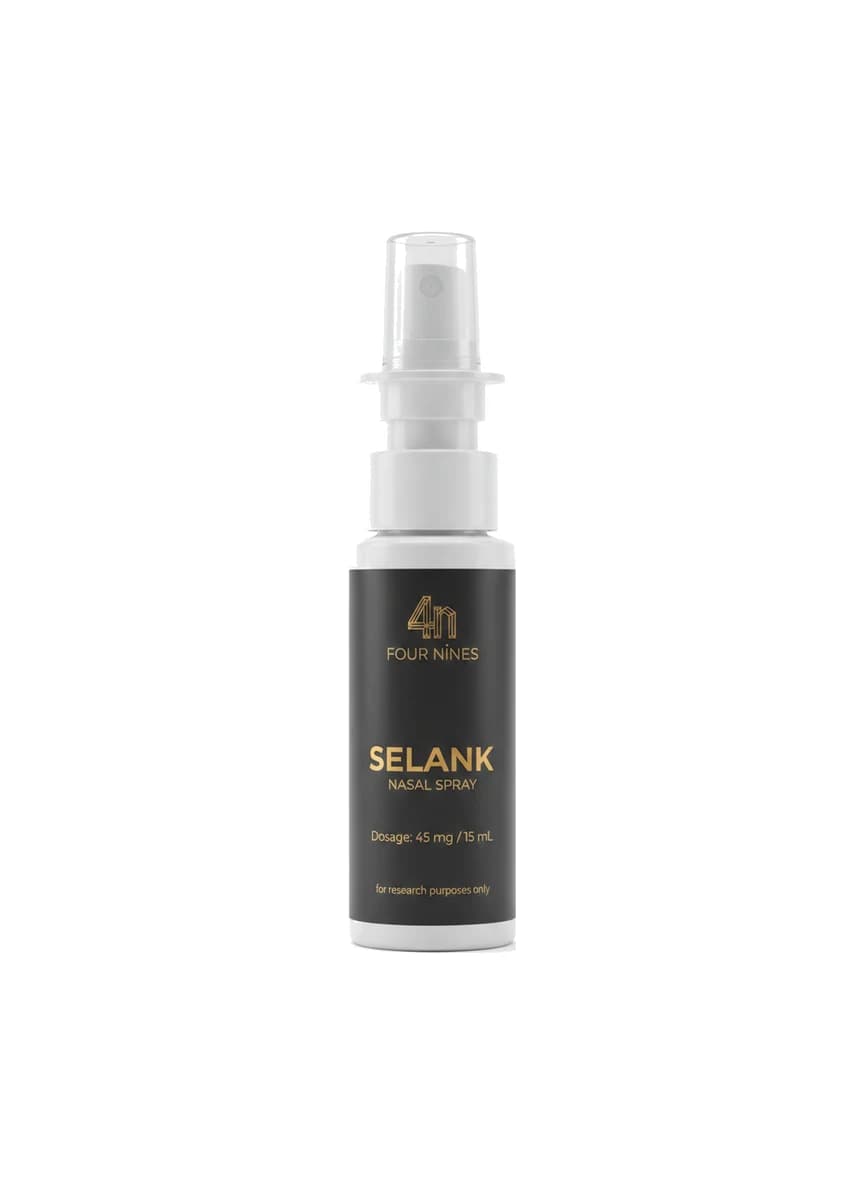
Administration is intranasal — Selank crosses the nasal mucosa efficiently and bypasses first-pass hepatic metabolism. Dosing protocols typically use 250–500 mcg once or twice daily; effect onset is rapid (within 30 minutes) and effect duration runs 6–24 hours depending on individual pharmacokinetics. Tachyphylaxis has not been documented in published continuous-use research.
Research protocol design
Cognitive peptide research protocols typically run 14–28 days continuous because the BDNF upregulation effect requires sustained signaling to translate into measurable cognitive endpoints. Acute single-dose effects are documented (anxiolysis, attention) but the full profile of neuroplasticity-driven cognitive effects emerges over weeks of continuous use.
Common biomarker tracking: Stroop test, n-back working memory, continuous performance task (CPT) for attention; State-Trait Anxiety Inventory (STAI) for anxiolytic endpoints; serum BDNF (when available — assay variability is high); subjective sleep quality (Selank in particular has documented sleep-architecture effects). Imaging endpoints (fMRI prefrontal activation, EEG P300 latency) appear in more sophisticated published research designs.
Stacking considerations: Selank + Semax is the most-studied cognitive stack — Selank for anxiolytic baseline, Semax for cognitive-performance and stress-resilience. They operate through complementary BDNF mechanisms and have not produced measurable receptor competition in published work. Both can be combined with longevity peptides (Epithalon, MOTS-c) for protocols studying cognitive aging endpoints; cross-class interactions are minimal.
Frequently asked
Why intranasal instead of subcutaneous?
The intranasal route bypasses first-pass hepatic metabolism and delivers peptide more efficiently to CNS tissue via the olfactory and trigeminal nerve pathways. For peptides whose research targets are CNS BDNF and neurotransmitter modulation, intranasal produces measurable effects at lower doses than subcutaneous.
How does Selank compare to benzodiazepines for anxiety research?
Different mechanism, similar effect size. Benzodiazepines bind GABA-A directly and produce anxiolysis, sedation, and motor impairment together; Selank upregulates GABA-A expression via BDNF and produces anxiolysis without the other effects. Effect onset is similar (within 30 min); duration is comparable (6–24 hours). The clean side-effect profile is the research differentiator.
Can Selank and Semax be stacked?
Yes — the canonical cognitive research stack. They operate through complementary BDNF-mediated mechanisms (Selank for GABA-A modulation, Semax for cortical BDNF/NGF) without receptor competition. Most published research designs use both together for protocols spanning anxiolytic and cognitive-performance endpoints.
How long should cognitive peptide protocols run?
14–28 days continuous to capture the full BDNF-driven neuroplasticity signal. Acute single-dose effects are documented but the cognitive-aging and stress-resilience endpoints emerge over sustained signaling. No documented tachyphylaxis in continuous-use research up to 12 weeks.
Research products for this pillar
All cognitive →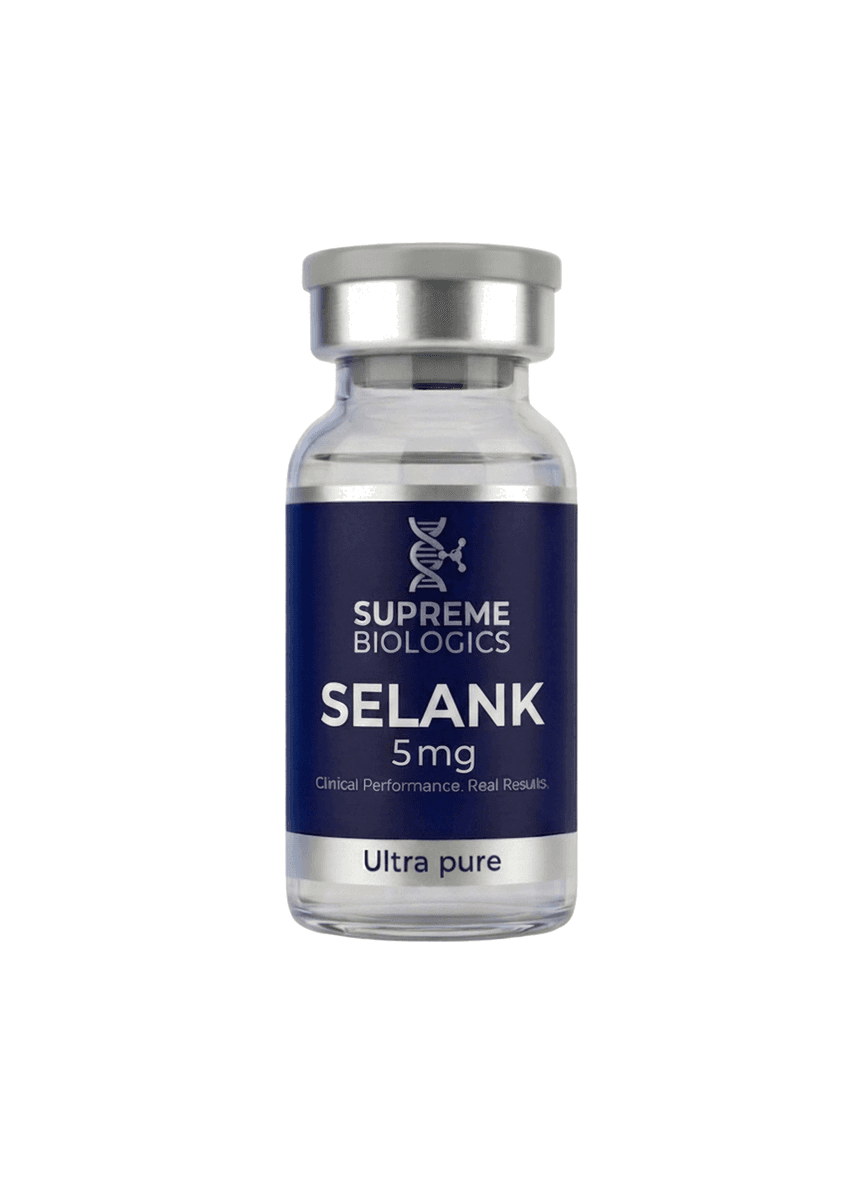

All compounds referenced are chemical reagents for laboratory analysis. See our Terms & Conditions.