
Anabolic Research Pillar
Growth Hormone Secretagogues: Pulsatile GH, Body Composition, and the GHRH/GHRP Axis
Growth hormone (GH) is one of the most-studied hormones in metabolic and anabolic biology, but exogenous recombinant GH (somatropin) suppresses the hypothalamic-pituitary axis and shuts down endogenous production. The research field that emerged from this constraint focuses on growth-hormone secretagogues — peptides that drive the pituitary to release the body's own GH in physiological pulses, preserving feedback loops and circadian patterning.
Two complementary classes drive secretagogue research. GHRH analogs (Sermorelin, Tesamorelin, CJC-1295) bind the GHRH receptor on somatotrophs and amplify natural GH release. GHRPs (Ipamorelin, Hexarelin, GHRP-6) bind the ghrelin/GHS-R1a receptor and trigger an additional, mechanistically distinct GH pulse. Combined GHRH + GHRP protocols produce synergistic — not merely additive — GH amplitude in published research.
GHRH vs GHRP: two receptors, one outcome
The GHRH receptor lives on the somatotroph cells of the anterior pituitary and responds to natural GHRH (44-amino-acid endogenous peptide) and engineered analogs. Sermorelin (the truncated 1–29 fragment) and Mod GRF 1-29 / CJC-1295 (a Mod GRF 1-29 with or without the DAC bonding extension that prolongs half-life) all bind here. They reset GH amplitude during the body's own natural pulses — they do not create new pulses, they make the existing ones bigger.
The GHS-R1a (ghrelin receptor) is a separate receptor expressed on the same somatotrophs plus hypothalamic feeding centers. GHRPs (Ipamorelin, Hexarelin, GHRP-6, GHRP-2) bind here. They CREATE new GH pulses by mimicking ghrelin — the natural orexigenic hormone that drives GH release alongside the GHRH cycle. Hexarelin and GHRP-6 also have measurable cross-receptor effects (cortisol elevation, prolactin elevation) that the cleaner GHRPs (Ipamorelin) avoid.
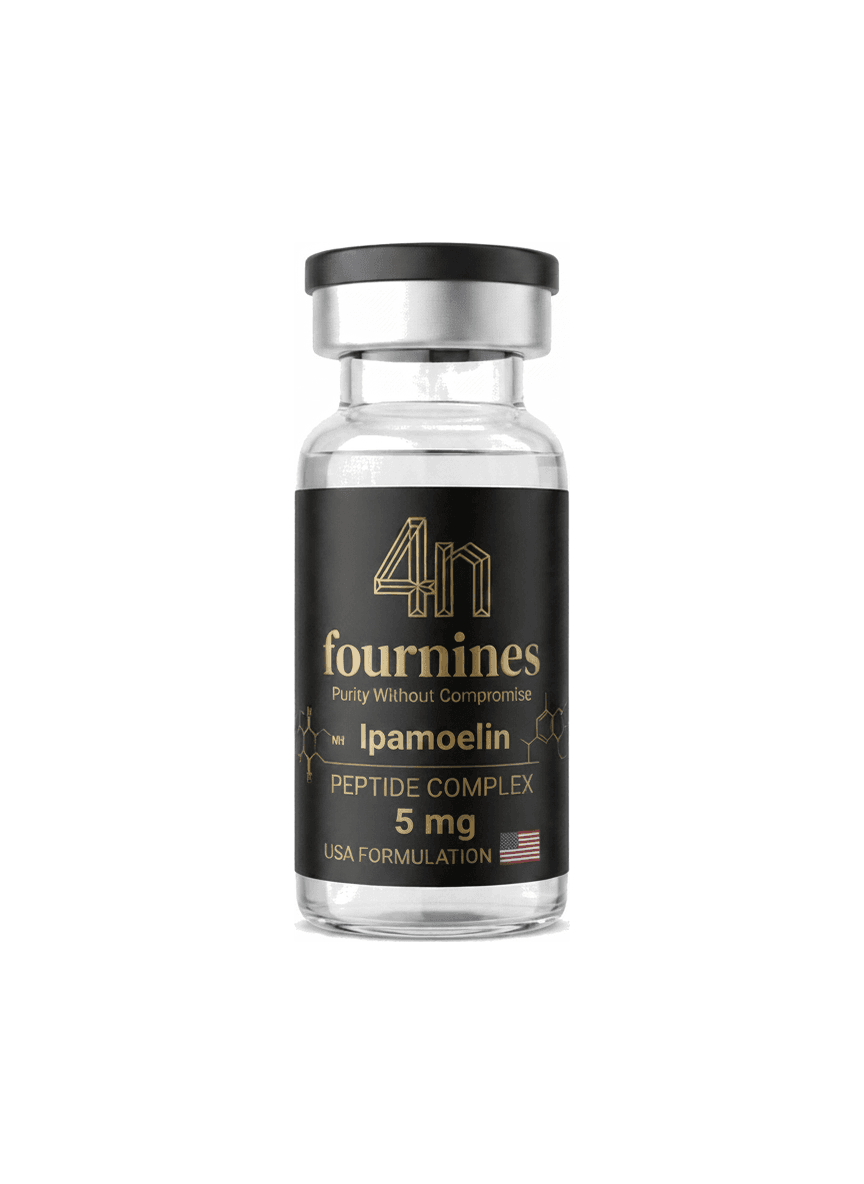
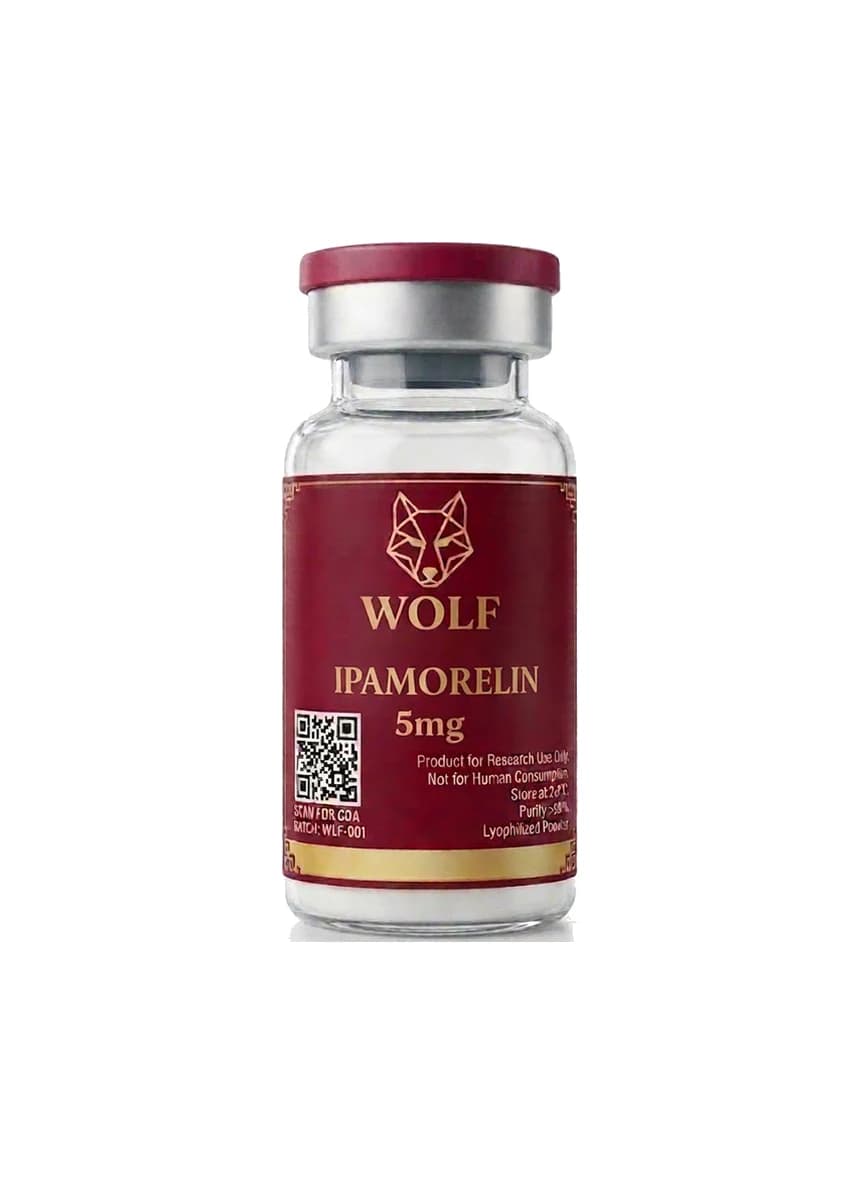
The combined protocol exploits both pathways: a GHRH analog raises the baseline pulse amplitude, and a GHRP triggers an additional pulse on top — together they produce a GH peak roughly 2–3× the magnitude of either alone in published research. CJC-1295 (no DAC) + Ipamorelin is the canonical clean stack: short-half-life GHRH analog with the cleanest GHRP, dosed 2–3× daily to mimic natural GH pulse frequency.
DAC vs no-DAC: half-life is a feature, not a bug
The "DAC" suffix on CJC-1295 refers to a Drug Affinity Complex — a small molecular addition that binds the peptide to serum albumin in circulation, extending half-life from ~30 minutes to ~7 days. CJC-1295 DAC produces a continuous, elevated GH "bleed" rather than discrete pulses; CJC-1295 no-DAC (Mod GRF 1-29) produces a sharp pulse that decays within hours and matches the natural GH cycle.
For research protocols studying pulsatile physiology — IGF-1 dynamics, sleep-architecture effects, body-composition recomposition over weeks-to-months — CJC-1295 no-DAC is the appropriate tool. Continuous elevation (CJC-1295 DAC) produces different downstream signaling and is more analogous to recombinant GH than to physiological GH-pulse augmentation.
Tesamorelin sits in a middle position. Its half-life (~30 minutes parent compound, but with sustained IGF-1 effects) and FDA approval for visceral-adipose-tissue research in HIV-associated lipodystrophy give it a unique research profile: studied human clinical data on body-composition endpoints that other secretagogues lack.
Research protocol design
The classic CJC-1295 (no DAC) + Ipamorelin protocol: 100 mcg of each, subcutaneously, 2–3× daily — typically morning, post-workout (if applicable), and pre-bed. The pre-bed dose layers onto the natural GH pulse during slow-wave sleep, producing the largest effective pulse of the day. Doses are kept conservative because GH-receptor downregulation is dose-dependent — chasing larger pulses past 100–200 mcg per dose produces diminishing returns and risks tachyphylaxis.
Biomarker tracking: IGF-1 is the canonical GH-axis readout (GH itself is too pulsatile to measure cleanly without 24-hour sampling); fasting glucose for insulin-sensitivity drift; lipid panel + body composition via DEXA at baseline and 12-week endpoints. Published research durations run 8–16 weeks continuous followed by an off period to restore receptor sensitivity.
Co-administration considerations: GH-secretagogue research is incompatible with same-cycle ghrelin-mimetic appetite work (the GHS-R1a receptor is shared); typically separated from any glucocorticoid research because cortisol blunts GH release; and observed to interact with thyroid hormone studies because IGF-1 modulates thyroid binding globulin levels.
Frequently asked
Why secretagogues instead of recombinant GH?
Secretagogues preserve the natural pulsatile pattern of GH release and the hypothalamic-pituitary feedback loop. Exogenous recombinant GH suppresses endogenous production and produces continuous elevation that researchers and clinicians have linked to receptor desensitization and metabolic side effects. The secretagogue research class exists specifically to drive the body's own pulses without breaking the regulatory architecture.
CJC-1295 DAC or no-DAC for research?
No-DAC for pulsatile-physiology research and the canonical CJC + Ipamorelin stack. DAC for protocols studying continuous IGF-1 elevation — more analogous to recombinant GH and produces different downstream signaling. The default for new researchers is no-DAC.
Why is Ipamorelin the preferred GHRP?
Cleanest receptor selectivity. GHRP-6 raises cortisol and prolactin, GHRP-2 raises prolactin, Hexarelin desensitizes the GHS-R1a receptor with continued use. Ipamorelin's cross-receptor profile is the cleanest in published comparative work — pure GH-pulse drive with minimal off-target hormonal effects.
How long should secretagogue protocols run?
8–16 weeks continuous followed by a 4-week off period for receptor-sensitivity restoration. Longer continuous protocols accumulate receptor downregulation and produce diminishing returns; the off period restores sensitivity for the next research cycle.
Research products for this pillar
All growth hormone →
All compounds referenced are chemical reagents for laboratory analysis. See our Terms & Conditions.