Glossary · recovery + dermal stack
Beauty Stack (BPC-157 + TB-500 + GHK-Cu)
Also known as: BTG stack · Regen Stack
- Class
- recovery + dermal stack
- Half-life
- mixed (see components)
- Typical dose
- per-component; ships pre-dosed
- Route
- subq / topical (GHK)
Mechanism
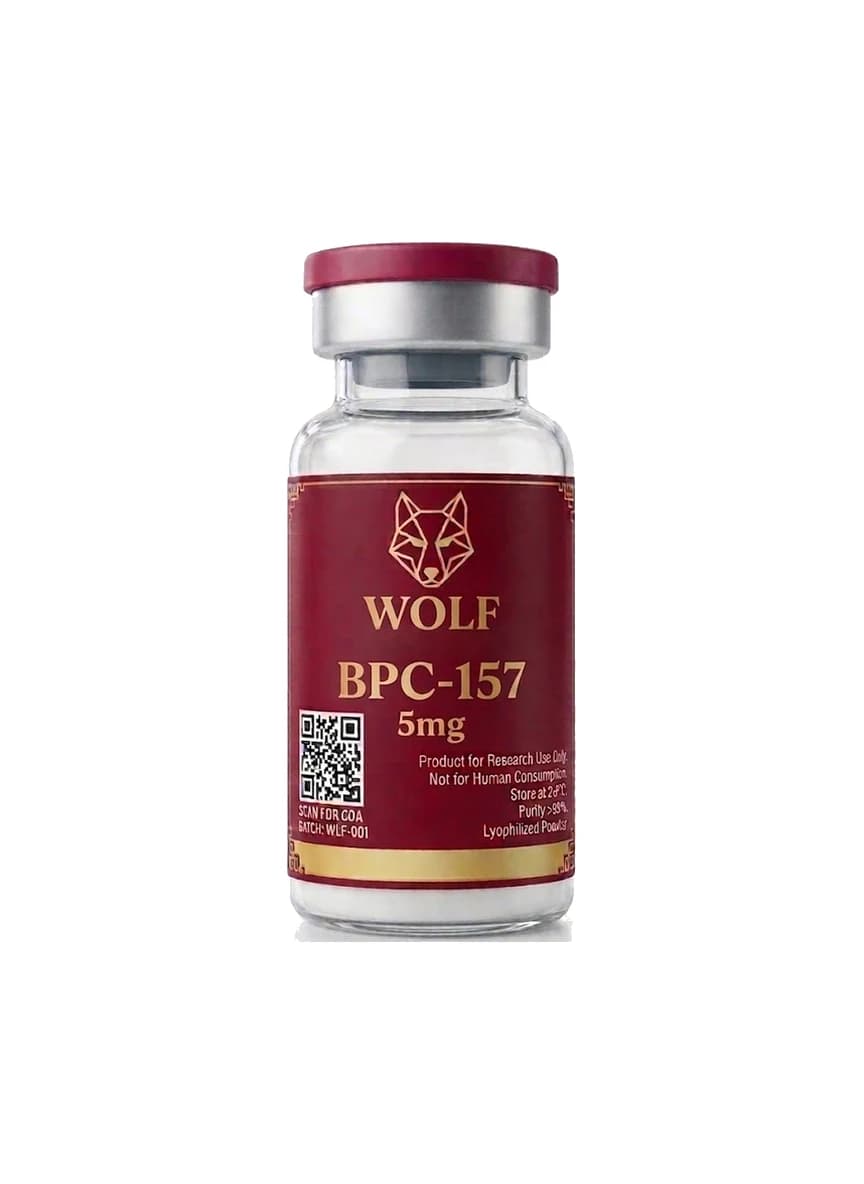
The Beauty Stack assembles three peptides that address the entire soft-tissue repair cascade from different angles, with significant crossover into dermal and connective-tissue maintenance. BPC-157 (Body Protection Compound) upregulates VEGFR2 signaling to drive angiogenesis at injury sites — new capillary formation accelerates nutrient and oxygen delivery to damaged tissue. TB-500 (Thymosin Beta-4) acts systemically via actin monomer sequestration and cell migration, promoting the organized movement of repair cells (fibroblasts, keratinocytes, endothelial cells) into injured or aging tissue across the whole body. GHK-Cu (copper tripeptide) provides the copper cofactor needed for lysyl oxidase activity, which crosslinks collagen and elastin fibers during matrix synthesis — without adequate copper signaling, new matrix is structurally weak.
These three mechanisms are genuinely complementary and sequential in the repair cascade. BPC drives the vascular infrastructure for healing; TB-500 drives the cell migration that populates the healing zone; GHK-Cu drives the matrix quality of what those cells build. This is why they stack more effectively than any single component. The same tissue-repair logic extends to skin: BPC supports dermal vascularity, TB-500 supports epidermal cell turnover, and GHK-Cu directly drives the collagen and elastin remodeling that determines skin structural quality.
GHK-Cu is unique in the stack because it is genuinely effective both subcutaneously (systemic distribution) and topically (direct dermal penetration). When skin quality is a primary goal, topical GHK-Cu applied to the face or target area daily produces local effects beyond what subq alone achieves.
Typical protocol
- Starter: BPC-157 250 mcg SC once daily (proximal to injury if applicable) + TB-500 5 mg SC twice weekly for 2 weeks (loading phase), then 2 mg SC once weekly (maintenance) + GHK-Cu 1 mg SC every other day, or topical 1–2% cream/serum applied daily. Run 6 weeks.
- Advanced: BPC-157 500 mcg SC split AM/PM + TB-500 loading as above → maintenance + GHK-Cu 1 mg SC daily. Run 8 weeks for significant soft-tissue injury or post-surgical recovery.
- Cycle length: 6–8 weeks on / 2–4 weeks off. The repair window closes once acute healing resolves; continuing beyond the healing window is diminishing returns. GHK-Cu topical can be maintained longer independently if skin quality is an ongoing goal.
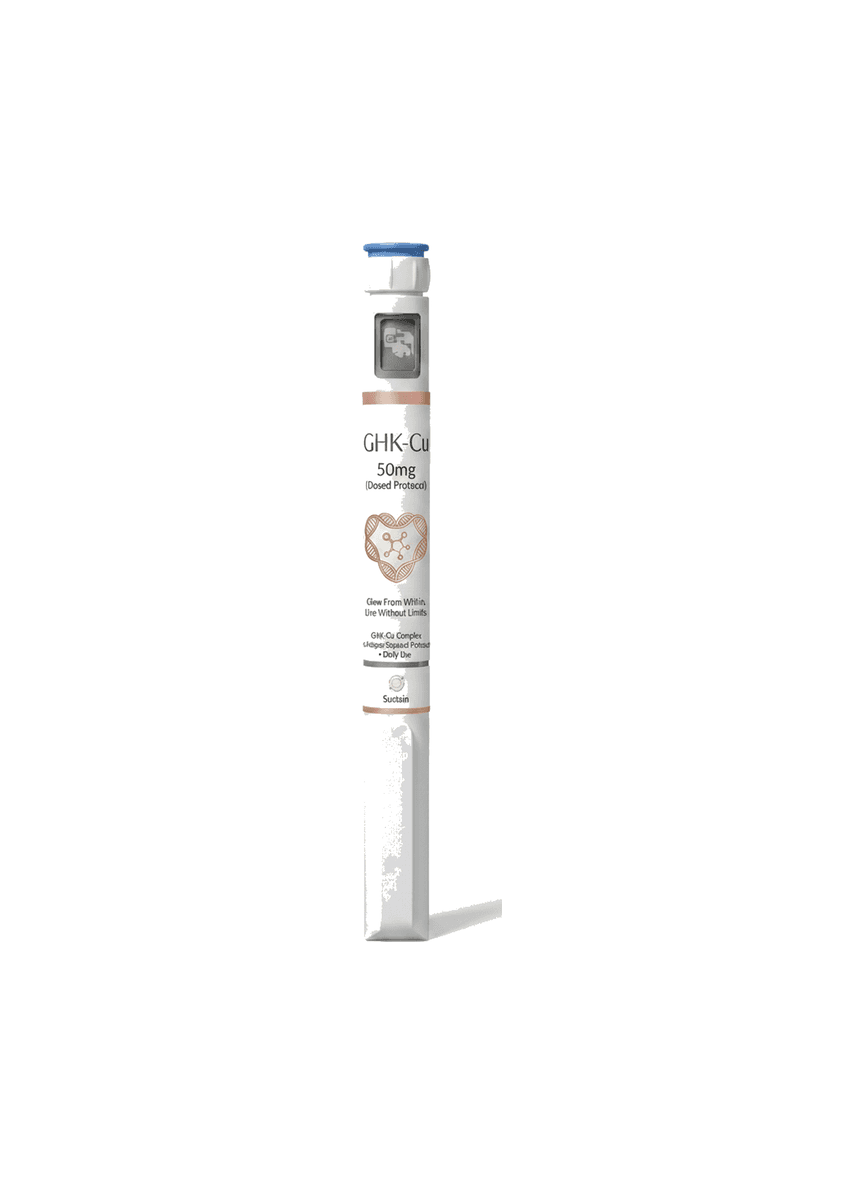
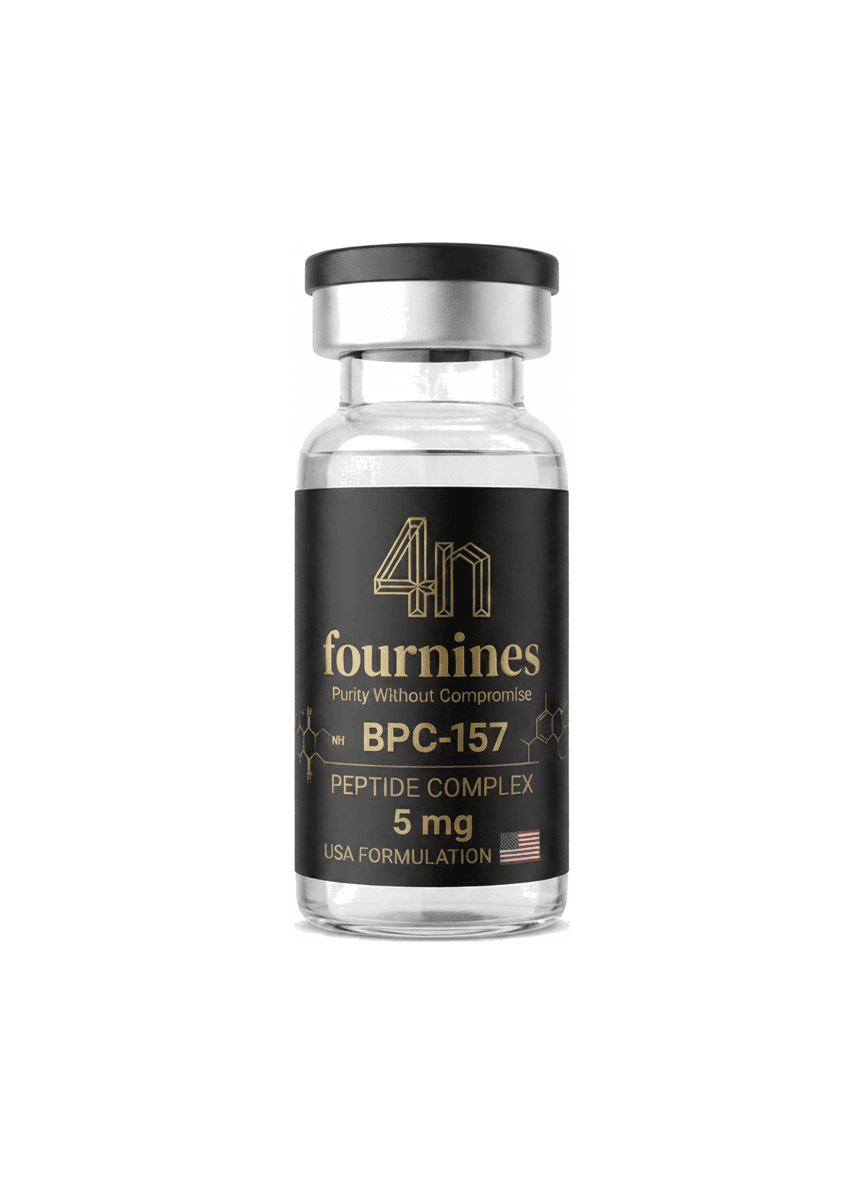
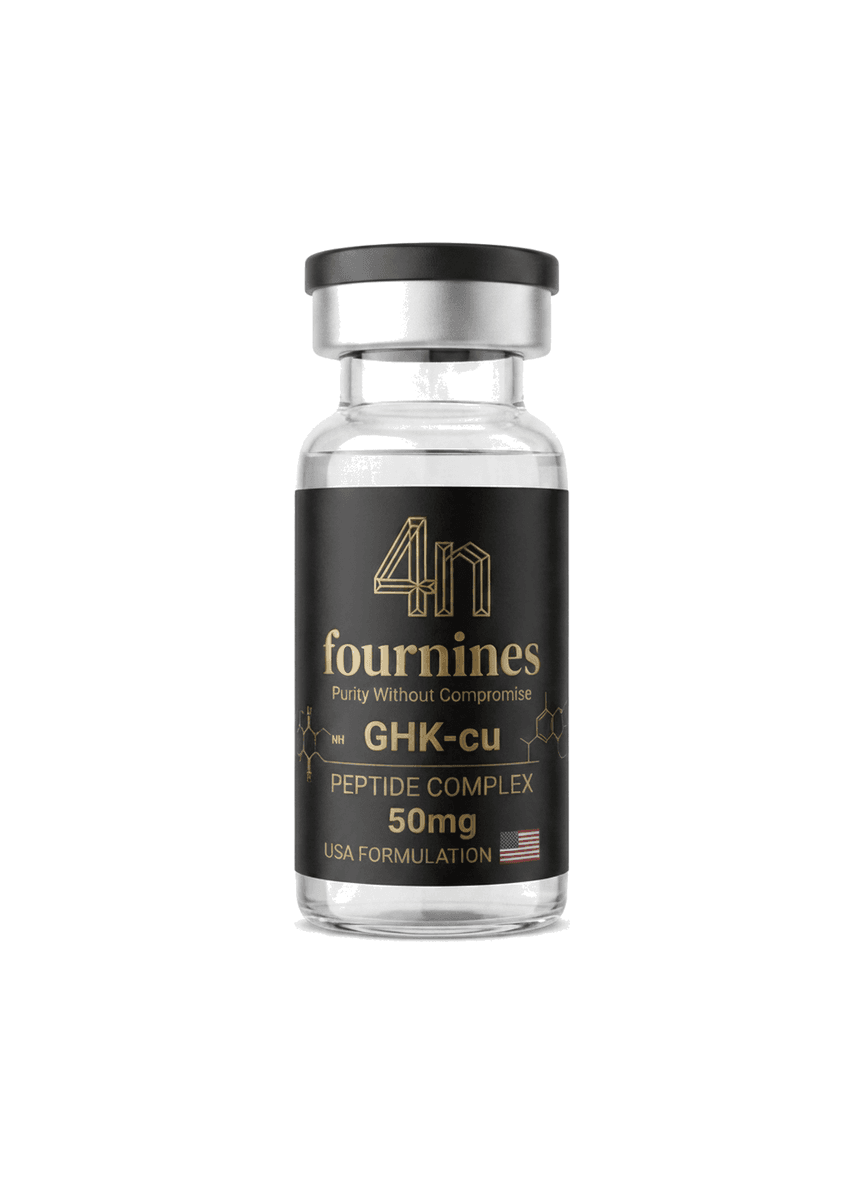
- Reconstitution: Each component per its individual entry. BPC-157: 5 mg vial + 2 mL BAC water → 2.5 mg/mL; 10 IU = 250 mcg. TB-500: 5 mg vial + 1 mL BAC water → 5 mg/mL; 10 IU = 500 mcg; 40 IU = 2 mg. GHK-Cu: 50 mg vial + 5 mL BAC water → 10 mg/mL; 10 IU = 1 mg.
Who it's for
Users targeting recovery and skin/beauty goals simultaneously — post-injury, post-surgical, or post-procedure recovery with an ongoing interest in connective-tissue and dermal maintenance. Also fits users in heavy training blocks who accumulate soft-tissue stress and want both injury mitigation and skin/joint quality support. Post-procedure dermal recovery (microneedling, laser, chemical peels) is a specific use case where the topical GHK-Cu component particularly shines.
Stacks well with
- epithalon 10mg — longevity-adjacent pairing with no mechanism conflict. Epithalon addresses the pineal/circadian/telomere axis; the Beauty Stack addresses soft-tissue and connective-tissue repair. Can be cycled concurrently for a comprehensive tissue-quality + aging-axis protocol.
The stack is otherwise designed to be standalone — BPC, TB-500, and GHK-Cu already cover the relevant repair pathways. Adding additional angiogenic or matrix peptides on top is redundant.
Watch-outs
- BPC-157 will reduce pain from the injury site. This is the expected mechanism, but it means the pain signal that normally indicates tissue loading limits is suppressed. Keep training loads conservative while the peptide is active — the absence of pain does not mean the tissue is fully healed.
- The topical GHK-Cu pathway is optional. If injection-only is preferred (or if skin improvement is not a priority), the all-subq approach delivers the copper signaling systemically and is fully effective for tissue repair. The topical route adds local dermal concentration that matters for skin quality but is not needed for the injury-healing indication.
- Three components means three reconstituted vials to track. Label each with the date reconstituted and store at 4°C. BPC-157 and TB-500 are stable 28–30 days post-reconstitution; check GHK-Cu stability window from the supplier.
Catalog note
Beauty Stack (BPC-157 + TB-500 + GHK-Cu) is not currently stocked
Beauty Stack (BPC-157 + TB-500 + GHK-Cu) is a research compound we track in our knowledge base but do not currently carry as an SKU. For sourcing inquiries or bulk institutional orders, contact our team. Meanwhile, browse the full catalog of ≥99% HPLC-verified peptides we do stock.
Same research goal
Related research compounds


Glossary entries describe research pharmacology for in-vitro and laboratory contexts only. Not for human consumption.