Semaglutide vs Tirzepatide: mono-GLP-1 vs dualagonist-forskning
Semaglutide og Tirzepatide er de to mest citerede metaboliske peptider i aktuel forskning i fedme og type 2-diabetes, men de virker via fundamentalt forskellige receptorarkitekturer. Semaglutide er en ren GLP-1-receptoragonist; Tirzepatide er en dual GIP + GLP-1-receptoragonist. Den ene arkitektoniske forskel forklarer størstedelen af de nedstrøms forskelle i potens, vægttabets størrelse og bivirkningsprofil.
Begge er på lager hos LifeSpanSupply som lyofiliseret pulver med HPLC-renhed ≥99% og halveringstider på syv dage, velegnet til ugentlig forskningsdosering. Valget mellem dem til en protokol handler om, hvorvidt man ønsker mono-vejs-renhed (Semaglutide) eller dualvejs-potens (Tirzepatide).
Semaglutide
Full entry →- Class
- GLP-1 receptor agonist
- Half-life
- ~7 days
- Dose
- 0.25 → 2.4 mg/week (titrated over 16+ weeks)
- Route
- subq
Tirzepatide
Full entry →- Class
- GLP-1 / GIP dual agonist
- Half-life
- ~5 days
- Dose
- 2.5 → 15 mg/week (titrated)
- Route
- subq
Key differences at a glance
| Property | Semaglutide | Tirzepatide |
|---|---|---|
| Receptormål | Kun GLP-1 | GIP + GLP-1 (dualagonist) |
| Klasse | GLP-1-agonist | Dual GIP / GLP-1-agonist |
| Halveringstid | ~7 dage (SC) | ~5 dage (SC) |
| Typisk forskningsdosis | 0,25 → 2,4 mg/uge (titreret) | 2,5 → 15 mg/uge (titreret) |
| Administration | Subkutant, én gang om ugen | Subkutant, én gang om ugen |
| Vægttabets størrelse (STEP / SURMOUNT-data) | ~15% kropsvægt ved 68 uger | ~20–22% kropsvægt ved 72 uger |
| GI-bivirkningsprofil | Moderat (kvalme, obstipation) | Tilsvarende eller lavere end Sema i head-to-head-data |
| Forskningsmodenhed | Omfattende (STEP 1–8, SUSTAIN, SELECT) | Nyere, men solid (SURPASS, SURMOUNT) |
Mekanisme: hvorfor dualagonisme betyder noget
Semaglutide binder sig til GLP-1-receptoren, forsinker ventrikeltømning, forstærker glukoseafhængig insulinsekretion, hæmmer glukagon og virker på appetitcentre i hypothalamus. Modifikationerne — en substitution i position 8 og en C18-fedtsyrekæde — giver en halveringstid på syv dage og gør det til det førende mono-agonist-forskningsværktøj.
Tirzepatide tilføjer GIP-receptoragonisme (glukoseafhængigt insulinotropisk polypeptid) ved siden af GLP-1. GIP modulerer adipocytfunktion, lipidhåndtering og energiforbrug via veje, som GLP-1 alene ikke berører. I prækliniske modeller producerer den duale mekanisme additive — undertiden synergistiske — effekter på insulinfølsomhed og vægtreduktion. Head-to-head-data fra SURPASS-2 viste, at Tirzepatide overgik Semaglutide på både HbA1c og vægtendpoints ved enhver matchet dosis.
Forskelle i dosering og titrering
Titreringen af Semaglutide begynder ved 0,25 mg/uge og trappes op til 2,4 mg/uge for vægttabsprotokoller — et 10x-spænd over ~16 uger. Tirzepatide begynder ved 2,5 mg/uge og trappes op til 15 mg/uge over et tilsvarende tidsforløb. De højere absolutte doser afspejler forskellige receptoraffiniteter, ikke forskellige potenser — milligram for milligram er Tirzepatide den stærkere forbindelse.
Begge peptider rekonstitueres på samme måde: injicér BAC-vand langsomt langs hætteglassets væg, hvirvl forsigtigt til opløsning og opbevar ved 2–8 °C i op til 30 dage. Et hætteglas på 5 mg med 2,5 mL BAC-vand giver 2 mg/mL — 0,1 mL (10 enheder på en insulinsprøjte) indeholder 200 mcg, praktisk for begge ugentlige titreringsskemaer.
When to pick each
Pick Semaglutide when
- Du har brug for den mest publicerede GLP-1-evidensbase (STEP-, SUSTAIN-, SELECT-forsøgene).
- Renere enkeltvejs-forskningsspørgsmål — isolér GLP-1-mekanismen uden GIP-konfundering.
- Etablerede titreringsprotokoller med veldokumenterede dosis-responskurver.
Pick Tirzepatide when
- Højere potens per ugentlig dosis; større effektstørrelser i prækliniske metaboliske modeller.
- Forskningsspørgsmålet berører dual-inkretin-interaktion, lipidhåndtering eller energiforbrug.
- Head-to-head-vægttabsprotokoller over for mono-agonister.
Frequently asked
Er Tirzepatide bare "stærkere Semaglutide"?
Nej. De er arkitektonisk forskellige — mono-GLP-1 vs dual GIP/GLP-1. Tirzepatide producerer større effektstørrelser på de fleste metaboliske endpoints, men mekanismen er reelt anderledes, ikke blot mere potent. Forskningsspørgsmål, der isolerer GLP-1-signalering, bør bruge Semaglutide; spørgsmål, der berører dual-inkretin-interaktion, bør bruge Tirzepatide.
Kan begge bruges i samme protokol?
I forskningssammenhæng stables to GLP-1-aktive forbindelser ikke — vejene overlapper, og dosis-responskurven bliver umulig at fortolke. Vælg én baseret på dit forskningsspørgsmål.
Hvilken har bedre GI-bivirkningsprofil i litteraturen?
Head-to-head-data fra SURPASS-2 viste, at Tirzepatide havde tilsvarende eller let lavere GI-hændelsesrate end Semaglutide ved matchede doser, trods den større vægttabseffekt. Begge drager fordel af langsomme titreringsskemaer.
Hvad med Retatrutide?
Retatrutide er næste generation — en GLP-1 / GIP / glukagon-tripelagonist. Den er nyere, og forskningsdata modnes stadig; vi har den på lager for forskere, der ønsker at udforske frontens tripelagonistvej, men Semaglutide og Tirzepatide forbliver de to kanoniske sammenlignere.
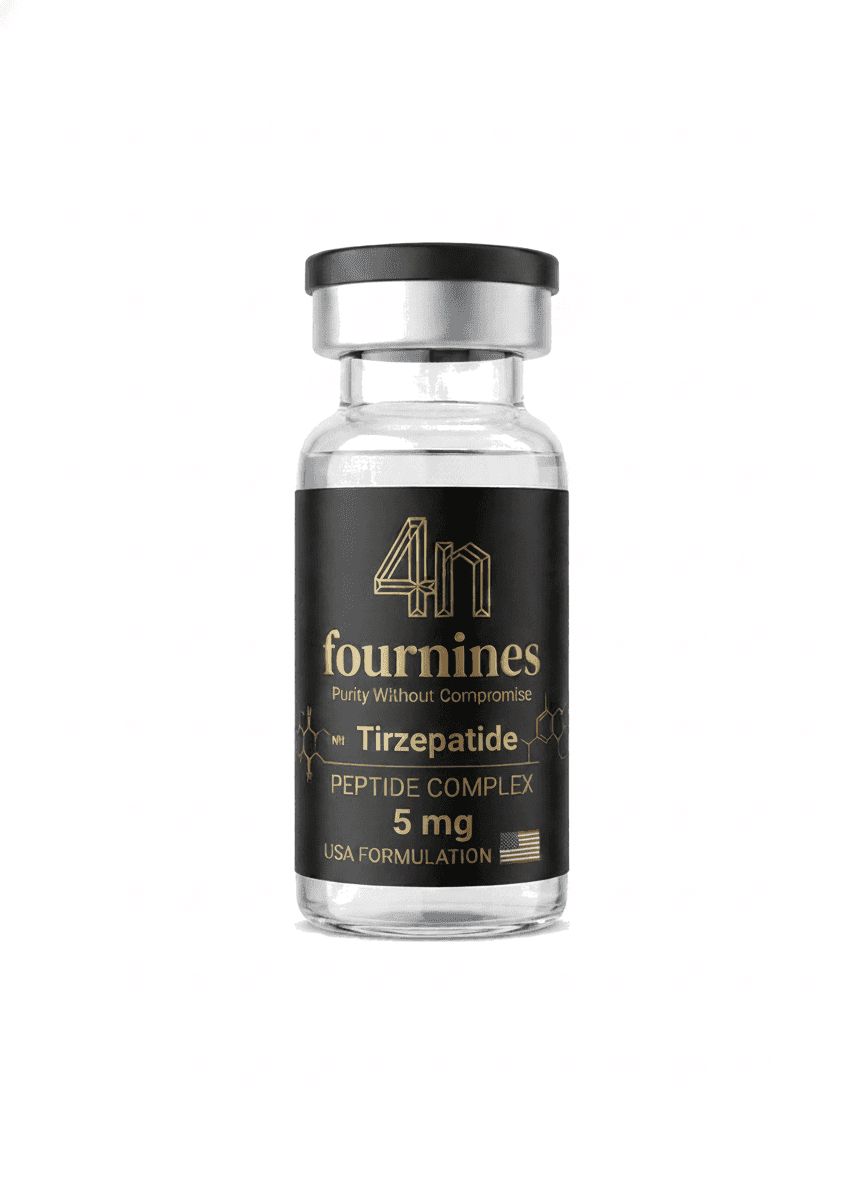
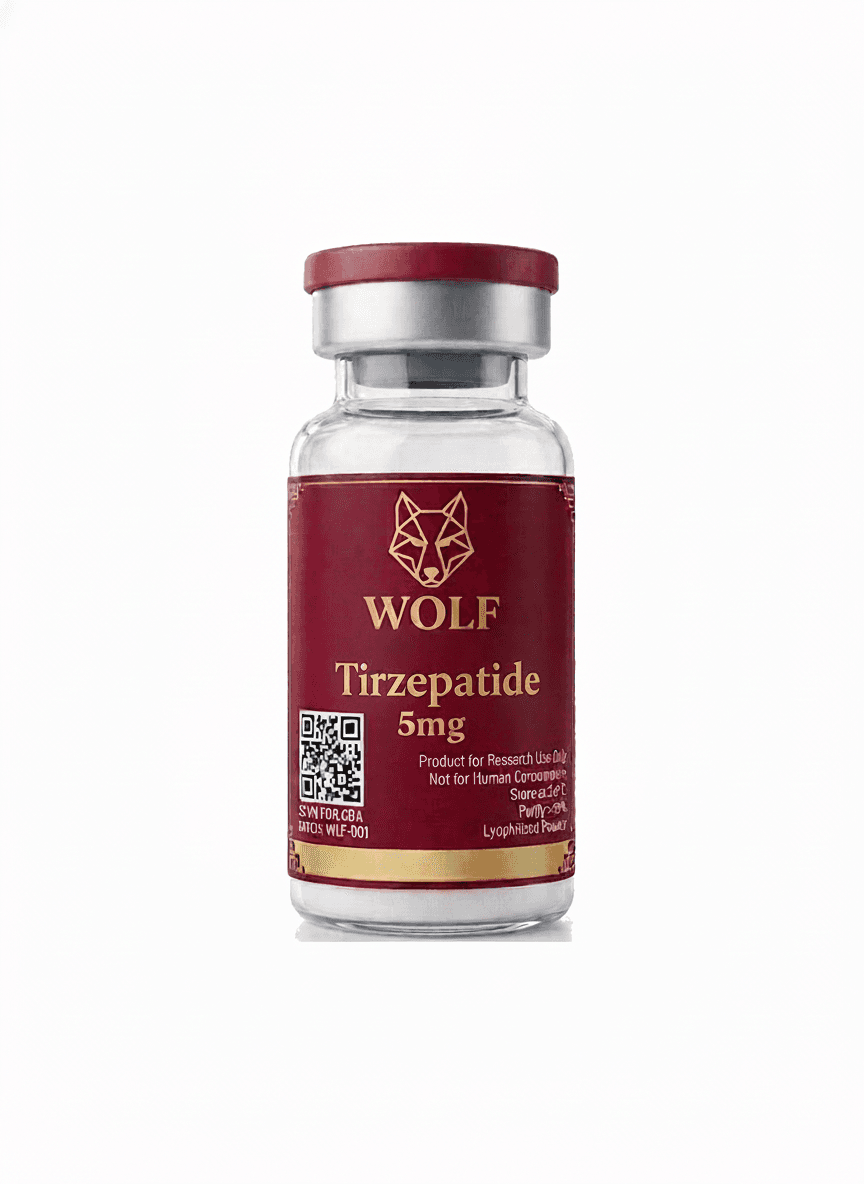
Shop Tirzepatide
All products →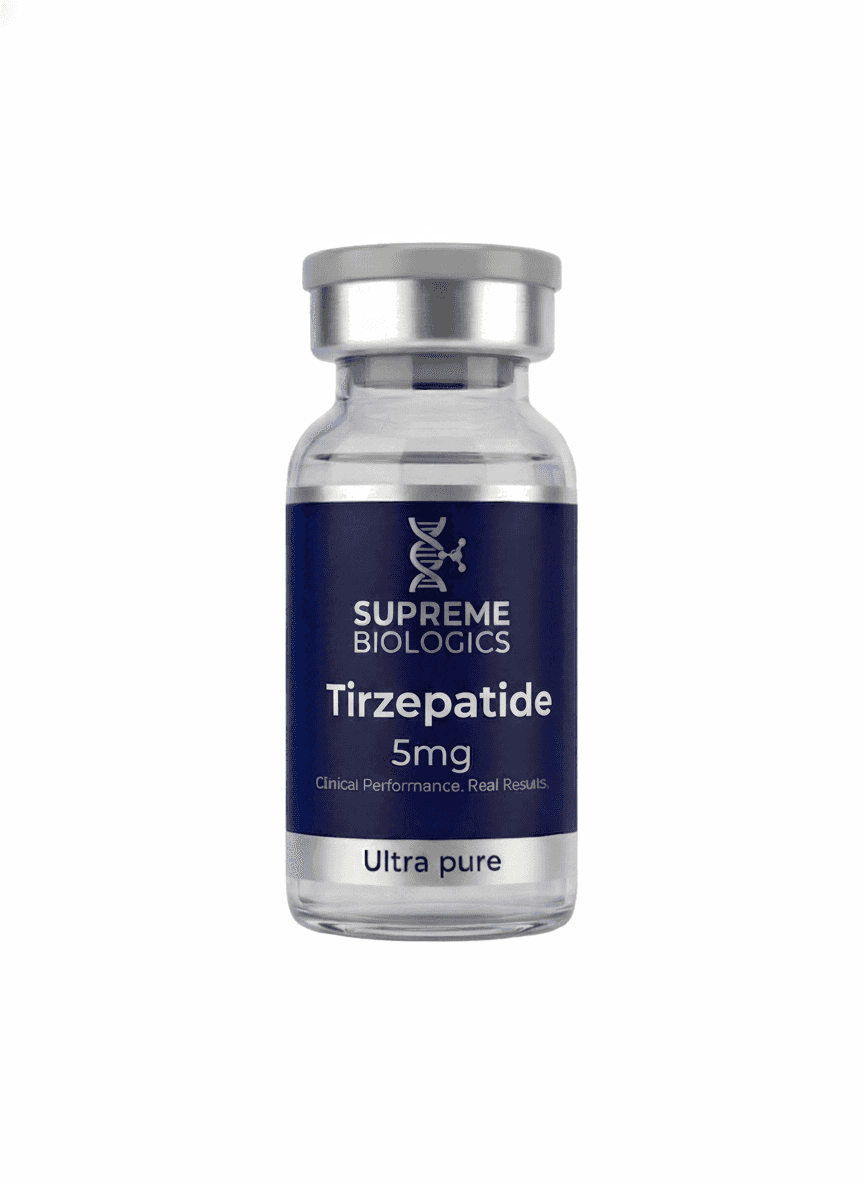
Comparison guides summarize research-context differences. All compounds are chemical reagents for laboratory analysis. See our Terms & Conditions.