Ipamorelin vs GHRP-6: Selectivity vs Potency in Ghrelin Mimetics
Ipamorelin and GHRP-6 are both ghrelin-receptor (GHS-R1a) agonists used in growth-hormone research. They target the same receptor but differ significantly in selectivity: Ipamorelin is one of the cleanest ghrelin mimetics in research literature; GHRP-6 is more potent but triggers meaningful cortisol, prolactin, and hunger responses alongside GH release.
For most modern protocols, Ipamorelin has replaced GHRP-6 as the preferred ghrelin-pathway research tool — the cleaner selectivity profile isolates the GH signal from stress-axis confounds. GHRP-6 remains relevant where raw GH potency matters more than selectivity.
Ipamorelin
Full entry →- Class
- GHRP / ghrelin mimetic
- Half-life
- ~2 hours
- Dose
- 200–300 mcg per pulse, 2–3 pulses/day
- Route
- subq
GHRP-6
Full entry →- Class
- GHRP / ghrelin mimetic
- Half-life
- ~15–60 minutes
- Dose
- 100 mcg × 3/day
- Route
- subq
Key differences at a glance
| Property | Ipamorelin | GHRP-6 |
|---|---|---|
| Class | Pentapeptide GHRP (ghrelin mimetic) | Hexapeptide GHRP (ghrelin mimetic) |
| GH response magnitude | Moderate, highly selective | Higher than Ipamorelin |
| Cortisol effect | Minimal / none | Meaningful increase |
| Prolactin effect | Minimal / none | Meaningful increase |
| Appetite / hunger | Minimal | Strong (ghrelin-like) |
| Half-life | ~2 hours | ~15–60 minutes |
| Typical dose | 100–300 mcg 2–3x/day | 100–150 mcg 2–3x/day |
| Best for | Isolating GH response cleanly | Maximizing GH pulse magnitude |
Selectivity: why it matters in research
Ghrelin itself is a multi-function hormone — it stimulates GH release, drives hunger, influences cortisol, and modulates other stress-axis components. Early ghrelin mimetics like GHRP-6 inherited most of these off-target effects, which makes the compound harder to use in research where the GH signal needs to be isolated. If your protocol measures recovery biomarkers and cortisol is elevated by the peptide itself, the data interpretation becomes ambiguous.
Ipamorelin was designed specifically to decouple GH release from the other ghrelin effects. In preclinical and early clinical data, it produces GH release comparable to GHRP-6 while leaving cortisol, prolactin, and appetite largely unchanged. This makes it the modern standard for ghrelin-pathway GH research.
When GHRP-6 still makes sense
GHRP-6's raw potency — roughly higher per-microgram GH release than Ipamorelin — makes it useful for protocols where maximum GH response is the primary outcome and off-target effects are either irrelevant or being measured intentionally. Research studying appetite-GH coupling, stress-axis interaction, or dose-response ceilings may favor GHRP-6 precisely because of its less-selective profile.
GHRP-6 is also the more extensively studied compound in older literature. Protocols replicating 1990s–2000s ghrelin-pathway research will find more direct comparators using GHRP-6 than Ipamorelin.
When to pick each
Pick Ipamorelin when
- Modern GH research where selectivity and clean data interpretation matter most.
- Protocols measuring recovery, body composition, or IGF-1 where cortisol/prolactin are confounders.
- Extended cycles where minimizing off-target effects is critical.
Pick GHRP-6 when
- Maximum GH-pulse magnitude research — potency over selectivity.
- Replicating older GHRP literature with matching compound.
- Appetite / ghrelin-pathway coupling research where the off-target effects are the research target.
Frequently asked
Is GHRP-6 obsolete?
No, but it is less commonly chosen in modern protocols. Ipamorelin's selectivity advantage has made it the default ghrelin mimetic for most GH research. GHRP-6 remains relevant for its higher raw potency and for replicating older research protocols.
Can Ipamorelin replace GHRP-6 in an existing protocol?
Often yes, but dose conversion is not 1:1. Ipamorelin typically requires slightly higher per-injection doses to match GH-release magnitude, with the tradeoff of much cleaner off-target profile. Run a short titration comparison before swapping in a long-running protocol.
Which stacks better with CJC-1295?
Both stack with CJC-1295 through the standard GHRH + GHRP synergy. Ipamorelin is the more common modern pairing because the combined protocol keeps cortisol and prolactin effects minimal across the whole stack. GHRP-6 + CJC-1295 is the higher-potency but less-selective alternative.
Does Ipamorelin cause any appetite increase?
Minimal in research data. GHRP-6 causes marked hunger similar to endogenous ghrelin; Ipamorelin was specifically selected for its reduced appetite-stimulating effect. This is why Ipamorelin is the cleaner choice for protocols where meal-timing or satiety biomarkers are being measured.
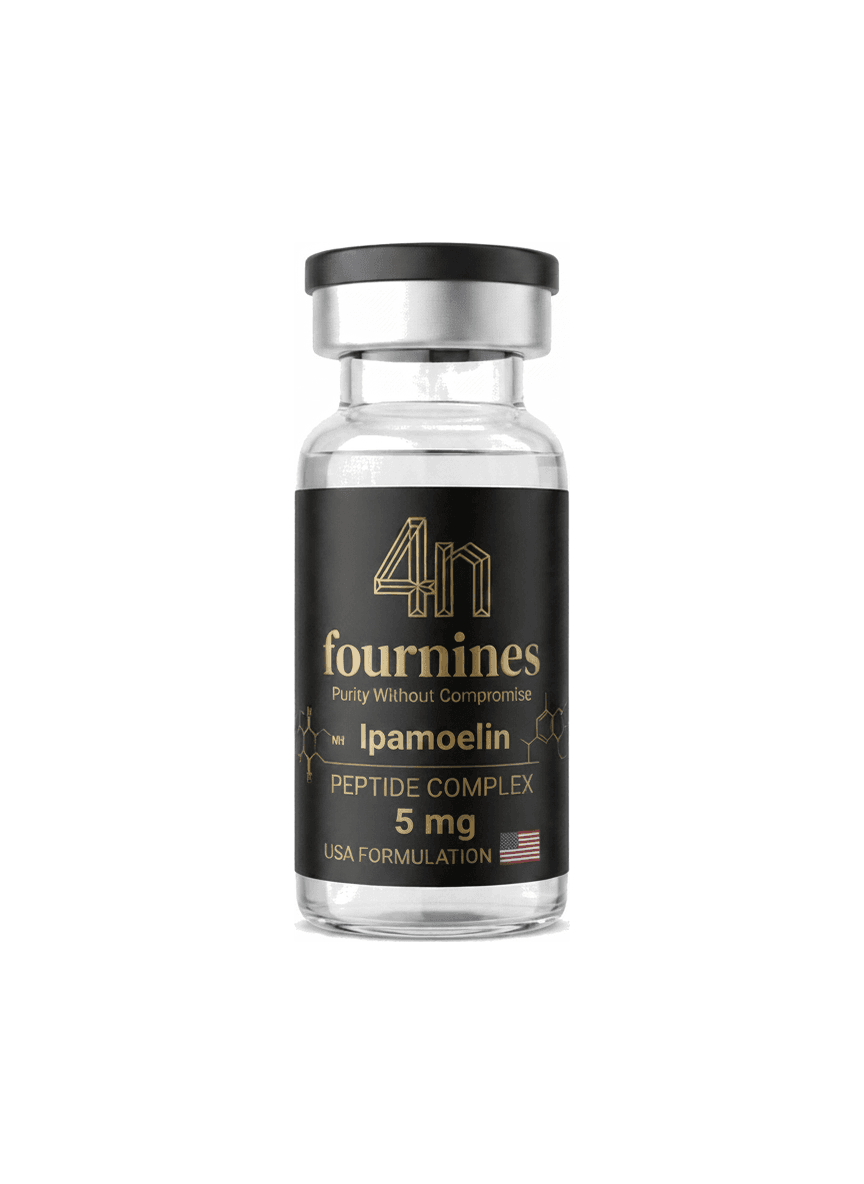
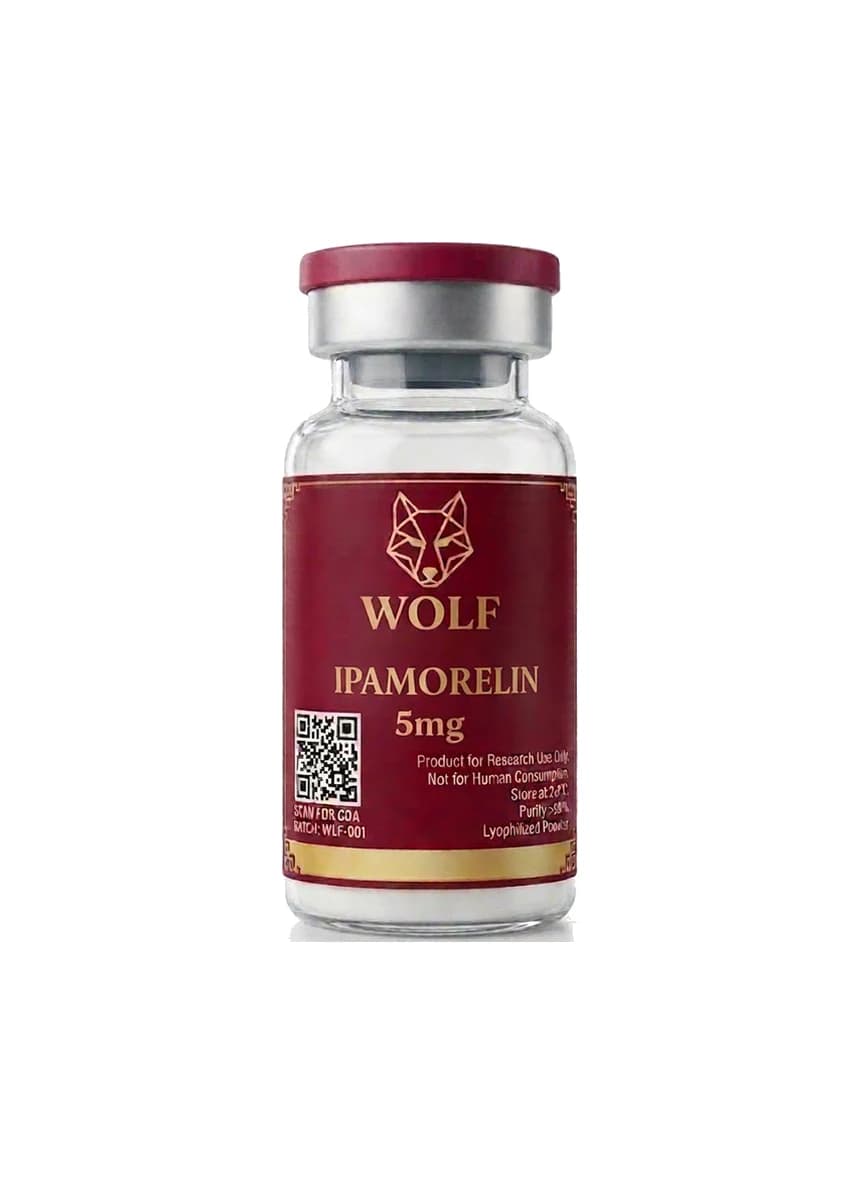
Shop Ipamorelin
All products →
Comparison guides summarize research-context differences. All compounds are chemical reagents for laboratory analysis. See our Terms & Conditions.