CJC-1295 vs Ipamorelin: GHRH Analog vs Ghrelin Mimetic
CJC-1295 and Ipamorelin are the two halves of the canonical growth-hormone secretagogue research stack. They are almost never compared as "which one is better" — they are compared as "why are they better together than alone." CJC-1295 is a GHRH analog acting on the pituitary GHRH receptor; Ipamorelin is a ghrelin mimetic acting on the GHS-R1a receptor. Different pathways, additive effects on endogenous GH release.
This comparison answers the practical research question: when does each peptide alone make sense, and why does the stack work so well?
CJC-1295
Full entry →- Class
- —
- Half-life
- —
- Dose
- —
- Route
- —
Ipamorelin
Full entry →- Class
- GHRP / ghrelin mimetic
- Half-life
- ~2 hours
- Dose
- 200–300 mcg per pulse, 2–3 pulses/day
- Route
- subq
Key differences at a glance
| Property | CJC-1295 | Ipamorelin |
|---|---|---|
| Receptor target | GHRH receptor (pituitary) | GHS-R1a ghrelin receptor |
| Mechanism effect | Amplifies GH pulse amplitude | Increases GH pulse frequency |
| Half-life (no DAC / with DAC) | ~30 min / ~6–8 days | ~2 hours |
| Typical dose | 100 mcg 1–3x/day (no DAC); 1–2 mg weekly (DAC) | 100–300 mcg 2–3x/day |
| Cortisol / prolactin effect | Minimal | Minimal (highly selective) |
| Best used | For GH baseline amplification | For pulsatile GH timing |
| Stacking behavior | Foundation of the GH-stack | Synergist of the GH-stack |
Mechanism: amplitude vs frequency
CJC-1295 is a modified GHRH (Growth Hormone Releasing Hormone) analog. Naturally occurring GHRH has a minutes-long half-life and pulses GH release during the night and post-exercise. CJC-1295 without DAC (albumin-binding modification) has a ~30-minute half-life — long enough for dosed research but requires multiple daily doses. CJC-1295 with DAC binds to albumin, extending the half-life to 6–8 days — a single injection produces elevated GH and IGF-1 for nearly a week. Both variants act on the GHRH receptor to amplify the amplitude of endogenous GH pulses.
Ipamorelin acts on a different receptor entirely: the GHS-R1a (ghrelin receptor). It is one of the most selective ghrelin mimetics in research literature — it stimulates GH release without significantly affecting cortisol, prolactin, or aldosterone, which is why researchers use it to isolate GH-mediated effects from stress-axis confounds. Ipamorelin adds pulse frequency rather than amplitude: it causes the pituitary to fire GH pulses at moments it otherwise would not.
Why the stack outperforms either alone
Combining a GHRH analog with a ghrelin mimetic is synergistic because the two pathways gate GH release independently. When both signals fire together, GH release exceeds the additive sum of each alone — documented in animal and human studies since the late 1990s. The resulting GH pulse is larger and cleaner than what either peptide produces alone.
In practice, most research protocols that study GH-mediated anabolism (lean tissue accretion, IGF-1 response, recovery biology) use CJC-1295 + Ipamorelin at matched timing — subcutaneous injection 20–30 minutes pre-sleep or post-exercise to coincide with endogenous GH peaks.
When to pick each
Pick CJC-1295 when
- You want long-duration dosing (weekly) — CJC-1295 with DAC is the only option.
- Research question isolates GHRH-pathway response without ghrelin confounder.
- Protocols studying IGF-1 elevation timing rather than pulsatile GH.
Pick Ipamorelin when
- Research question isolates ghrelin-pathway GH response.
- Selectivity is critical — Ipamorelin's minimal-off-target profile is the cleanest ghrelin mimetic available.
- Short, dosed-frequently protocols where daily timing matters (pre-sleep or post-exercise).
Frequently asked
Should I stack CJC-1295 and Ipamorelin or use them alone?
Most GH research protocols stack them because the two receptors (GHRH and ghrelin) fire independently and combined GH release exceeds the sum of each alone. Standalone use makes sense only when the research question specifically isolates one pathway from the other.
CJC-1295 with or without DAC?
With DAC for long-duration dosing (~6–8 day half-life, weekly injection). Without DAC for protocols that need daily pulsatile amplification on a tight schedule. Both are GHRH-receptor agonists; the DAC modification only changes duration.
Does Ipamorelin cause hunger the way ghrelin does?
Ipamorelin is a highly selective GHS-R1a agonist — selected specifically to isolate GH release from the appetite-stimulating effects of full ghrelin. In research contexts, hunger response is minimal compared to other ghrelin mimetics like GHRP-6 or Hexarelin.
Can MK-677 replace the stack?
MK-677 (Ibutamoren) is an oral ghrelin-receptor agonist with similar effects to injectable ghrelin mimetics. It works well as an oral alternative but does not add the GHRH-amplitude component that CJC-1295 provides — the stack is still more complete.
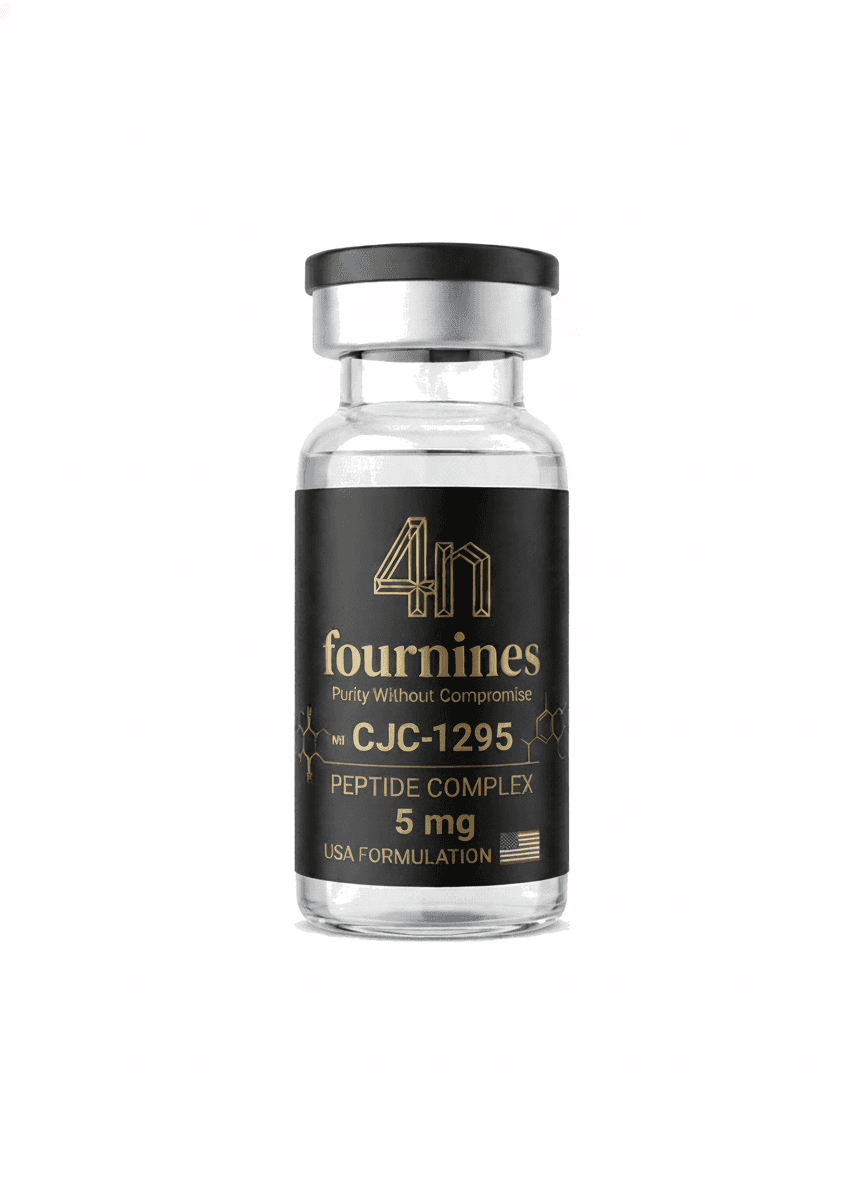
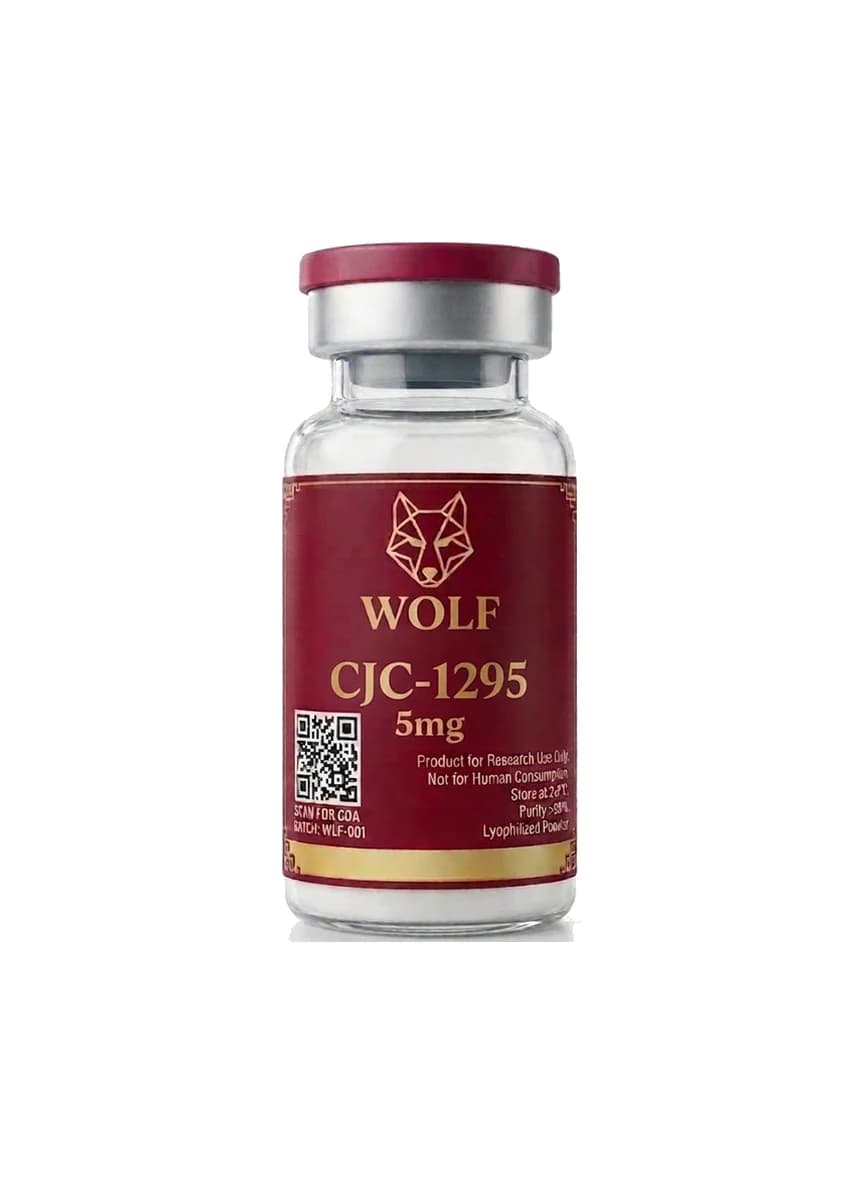
Shop CJC-1295
All products →
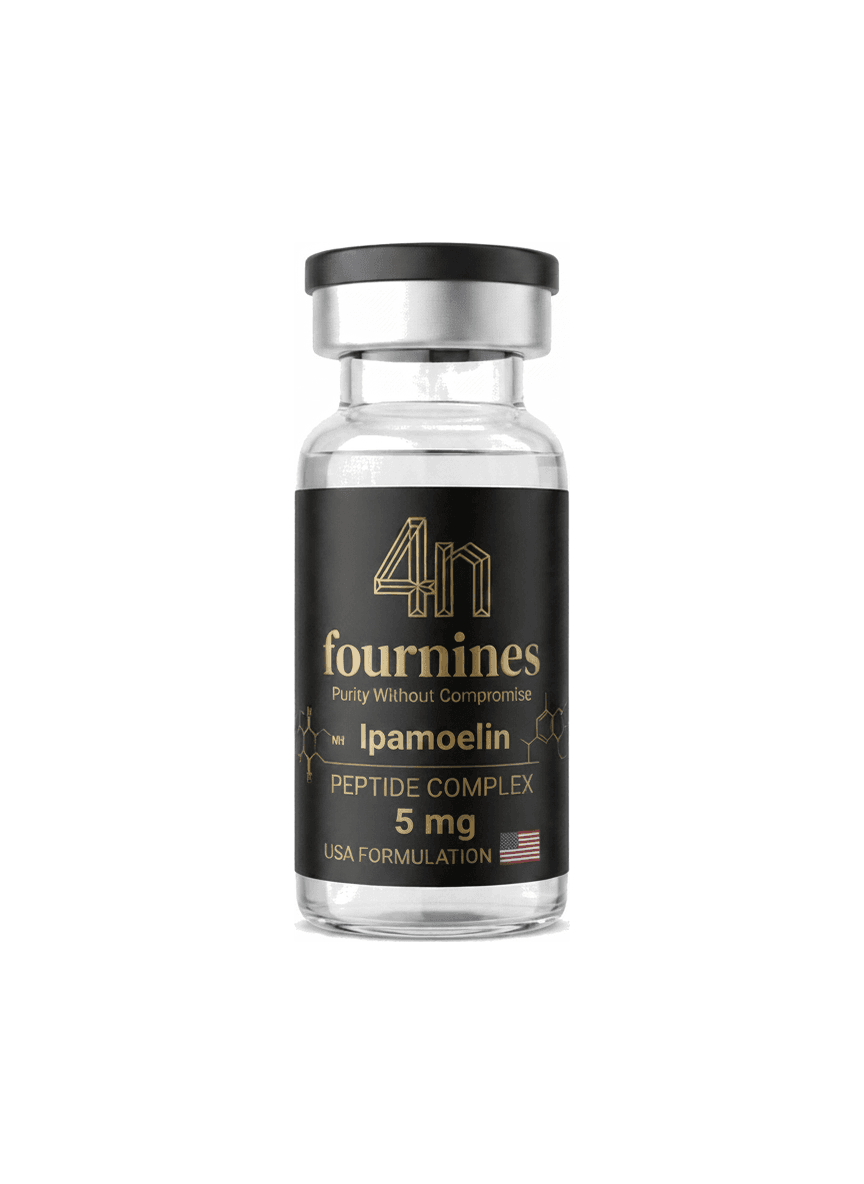
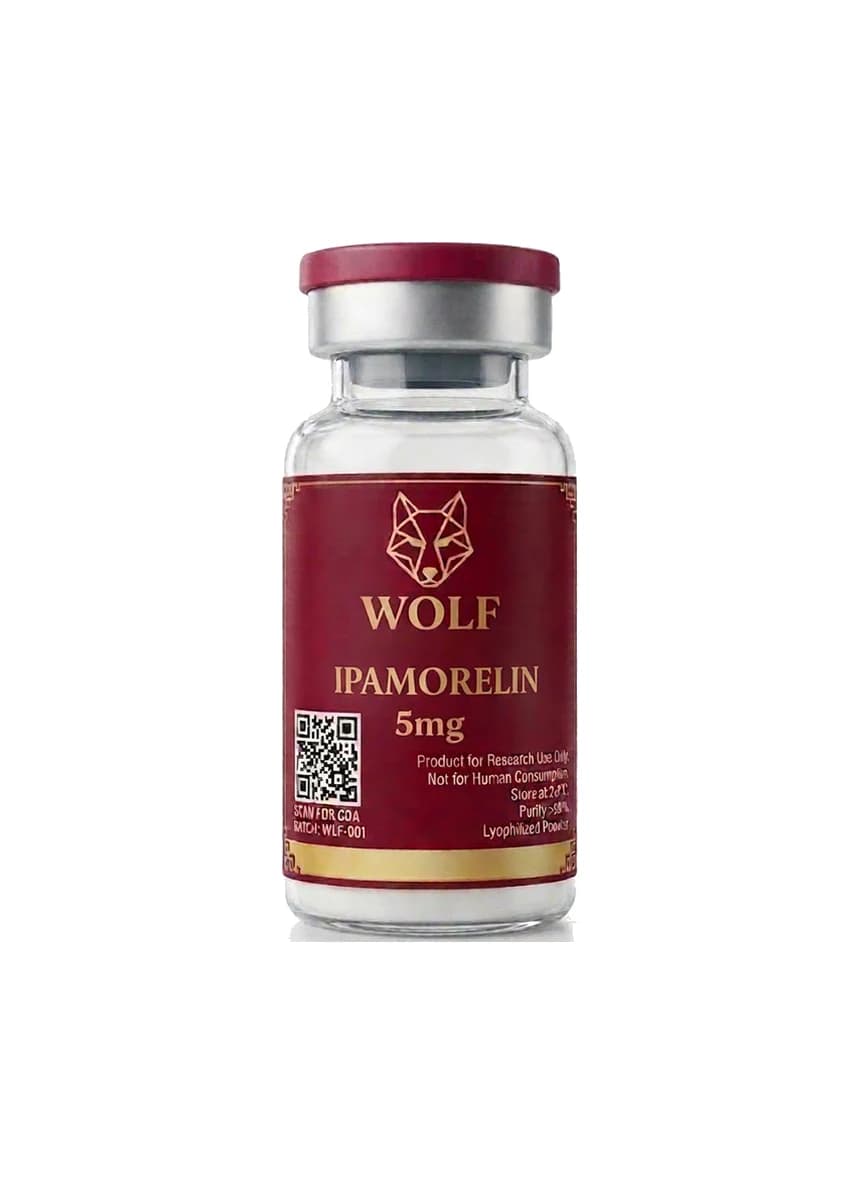
Shop Ipamorelin
All products →
Comparison guides summarize research-context differences. All compounds are chemical reagents for laboratory analysis. See our Terms & Conditions.