อภิธานศัพท์ · GLP-1 receptor agonist
Semaglutide
หรือเรียกอีกชื่อว่า: Ozempic · Wegovy · Rybelsus · Semaglutid · Semaglutida · Semaglutyd · سيماجلوتايد
- กลุ่มสาร
- GLP-1 receptor agonist
- ค่าครึ่งชีวิต
- ประมาณ 7 วัน
- ขนาดใช้ทั่วไปในงานวิจัย
- 0.25 → 2.4 mg/สัปดาห์ (ค่อยๆ ปรับขึ้นในเวลา 16+ สัปดาห์)
- ช่องทางการบริหารยา
- ฉีดใต้ผิวหนัง
กลไกการออกฤทธิ์
Semaglutide เป็น GLP-1 receptor agonist — เวอร์ชั่นที่ดัดแปลงของฮอร์โมน incretin glucagon-like peptide-1 ที่ร่างกายผลิตเอง ออกแบบด้วยสายกรดไขมันเพื่อจับ albumin ที่ขยายค่าครึ่งชีวิตเป็นประมาณเจ็ดวัน มันออกฤทธิ์ที่ตัวรับ GLP-1 ใน arcuate nucleus ของ hypothalamus เพื่อกดความอยากอาหารผ่านสัญญาณความอิ่ม และในลำไส้เพื่อชะลอการระบายกระเพาะ ลดอัตราที่น้ำตาลจากอาหารเข้าสู่กระแสเลือด ผลรวมคือการลดการรับแคลอรีอย่างต่อเนื่องที่ขับเคลื่อนทั้งจากความหิวที่ลดลงและความอิ่มเร็วขึ้นต่อมื้อ
กลไกหลักของการลดน้ำหนักคือการขาดดุลแคลอรีที่คงอยู่ผ่านการกดความอยากอาหาร — semaglutide ไม่ได้สลายไขมันโดยตรง มันปรับปรุงความไวอินซูลิน และในระยะเวลาหลายเดือนสิ่งนี้ปรับปรุงการแบ่งสัดส่วน แต่ถ้าคุณกินที่ระดับรักษาน้ำหนักหรือเกิน ยาจะไม่เอาชนะสิ่งนั้น สัญญาณความอยากอาหารทรงพลัง และข้อมูลการทดลองทางคลินิก (STEP 1–4) แสดงการลดน้ำหนัก 10–15% ของน้ำหนักตัวที่ 2.4 mg maintenance ใน 68 สัปดาห์ในประชากรที่ไม่มีวินัยอาหารพื้นฐาน — ด้วยการฝึกที่กระตือรือร้นและเน้นโปรตีน ผลลัพธ์ดีกว่า
ค่าครึ่งชีวิตที่ยาวของ semaglutide หมายความว่าการฉีดสัปดาห์ละครั้งสร้างถึงความเข้มข้นในสถานะคงที่ในประมาณสี่สัปดาห์ต่อระดับโดส การปรับเพิ่มช้าโดยการออกแบบ — การรีบเร่ง ramp-up จะขยายความคลื่นไส้โดยไม่ปรับปรุงผลลัพธ์
โปรโตคอลทั่วไป
- เริ่มต้น: 0.25 mg SC สัปดาห์ละครั้ง × 4 สัปดาห์ จากนั้น 0.5 mg × 4 สัปดาห์ จากนั้น 1.0 mg × 4 สัปดาห์ จากนั้น 1.7 mg × 4 สัปดาห์ จากนั้น 2.4 mg maintenance เพิ่มถึงระดับโดสถัดไปก็ต่อเมื่อระดับปัจจุบันถูกทนได้ดี
- ขั้นสูง: การจัดการทางตัน — ถ้าการลดน้ำหนักหยุดที่ขนาดยาที่ให้เป็นเวลา 4+ สัปดาห์หลังถึงระดับนั้น ก้าวไปสู่ระดับถัดไป ผู้ใช้บางคนรักษาที่ 1.0–1.7 mg; 2.4 mg เป็นเพดาน
- ความยาวรอบ: ระยะลดน้ำหนักสามารถดำเนินต่อเนื่อง วางแผน taper ก่อนหยุด — ความอยากอาหารที่กลับมาหลังการหยุดอย่างกะทันหันอาจมีนัยสำคัญหลังจากใช้ยา 3+ เดือน
- การละลายผง: ขวด 5 mg + น้ำ bacteriostatic 2.5 mL → 2 mg/mL บนเข็ม insulin U-100: 12.5 IU = 0.125 mL = ขนาดเริ่มต้น 0.25 mg 25 IU = 0.25 mL = 0.5 mg ฉีดที่หน้าท้องหรือต้นขา หมุนเวียนตำแหน่งทุกสัปดาห์ วันเดียวกันทุกสัปดาห์เพื่อความสม่ำเสมอของระดับ trough
เหมาะกับใคร
เป้าหมายลดไขมัน โดยเฉพาะผู้ใช้ที่มีไขมันร่างกายที่ต้องลดมากซึ่งต้องการการกดความอยากอาหารเพื่อรักษาการขาดดุลในระยะเวลาหลายเดือน ทำงานได้ดีที่สุดเมื่อจับคู่กับการรับโปรตีนแบบรุก (อย่างน้อย 1 g/lb น้ำหนักตัว) และการฝึกแรงต้านเพื่อปกป้องมวลกล้ามเนื้อ ไม่เหมาะกับผู้ใช้ที่ผอม แอธเลติก ที่กำลังไล่ตามไขมันร่างกายเปอร์เซ็นต์สุดท้ายไม่กี่เปอร์เซ็นต์ — การกดความอยากอาหารเป็นเครื่องมือที่หยาบ และความเสี่ยงต่อมวลกล้ามเนื้อที่ไขมันร่างกายต่ำไม่คุ้มกับเครื่องมือ
ใช้ร่วมกันได้ดี
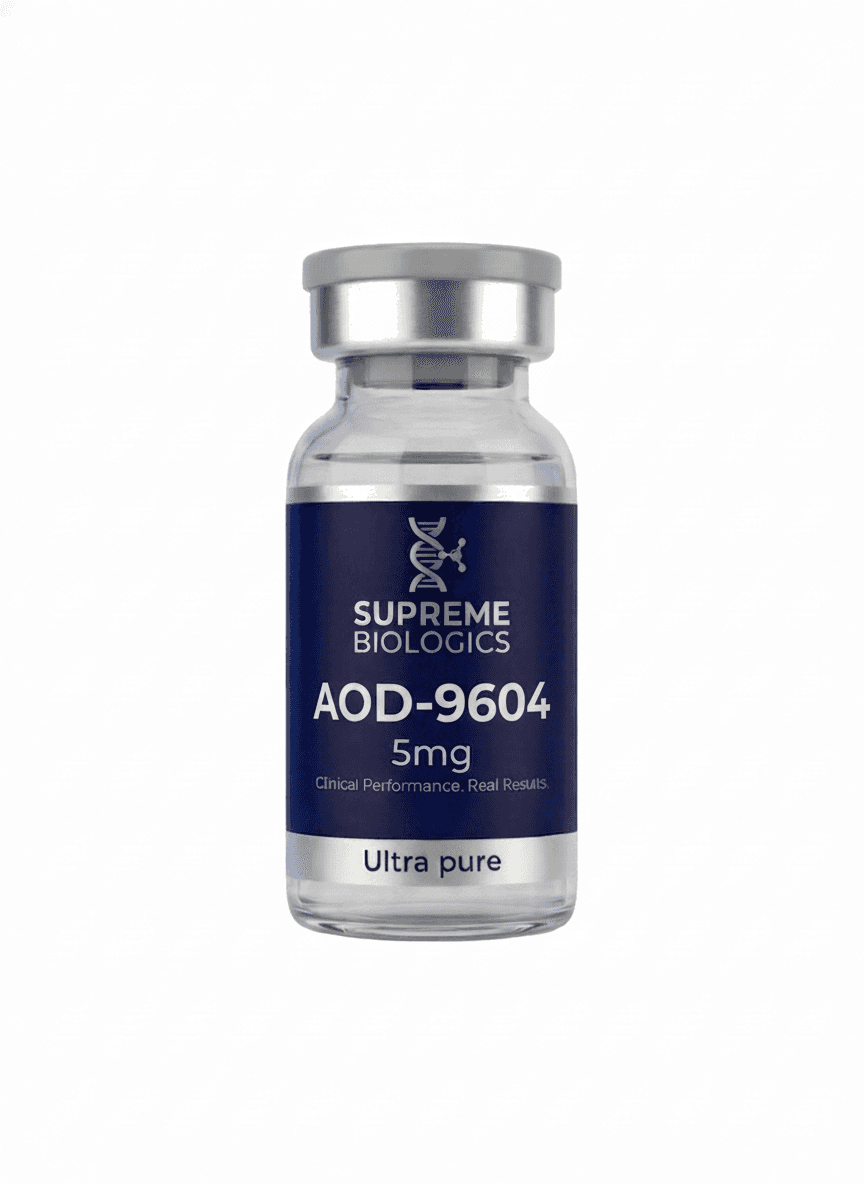
- aod 9604 5mg — กลไกที่ต่างกันโดยสิ้นเชิง; AOD-9604 ออกฤทธิ์โดยตรงที่ตัวรับ beta-3 ของ adipocyte เพื่อสลายไขมัน ในขณะที่ semaglutide จัดการการขาดดุลผ่านความอยากอาหาร เสริมกันได้ช่วงปลายการลดไขมันเมื่อความก้าวหน้าหยุด
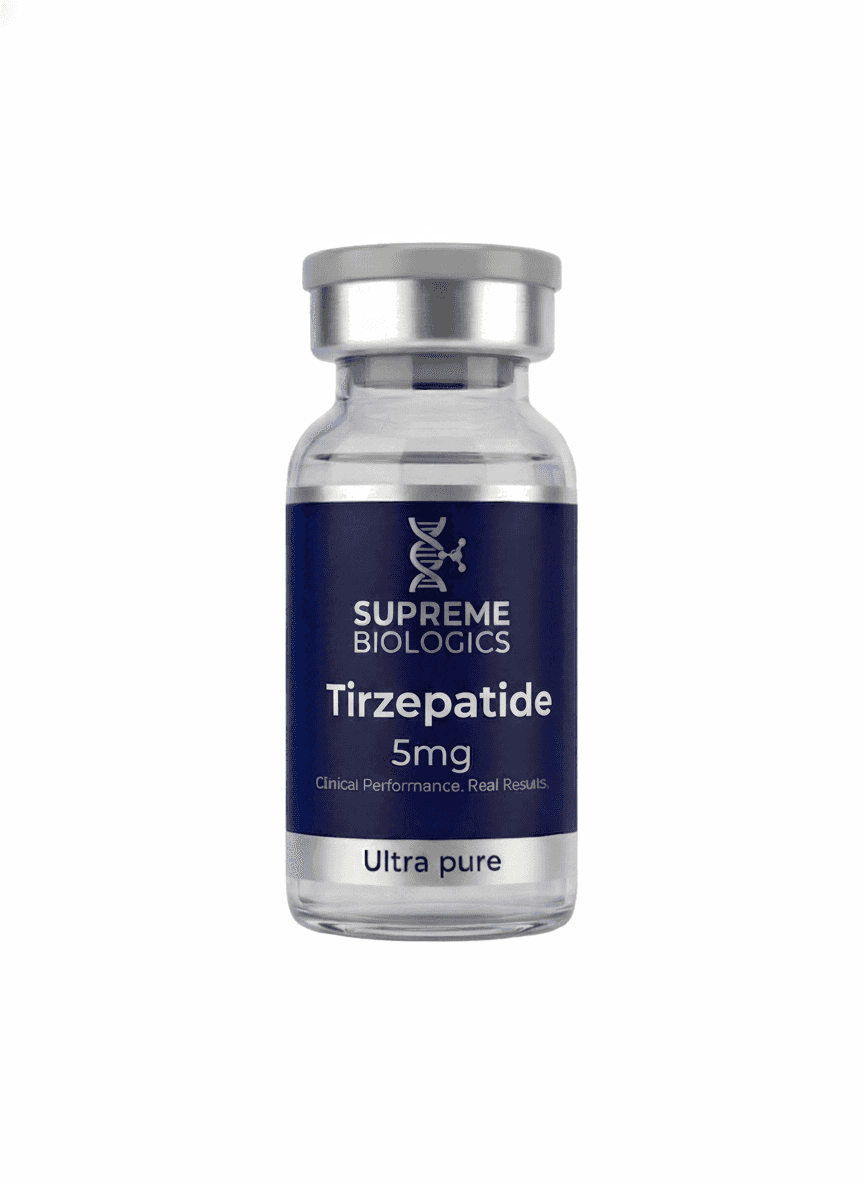
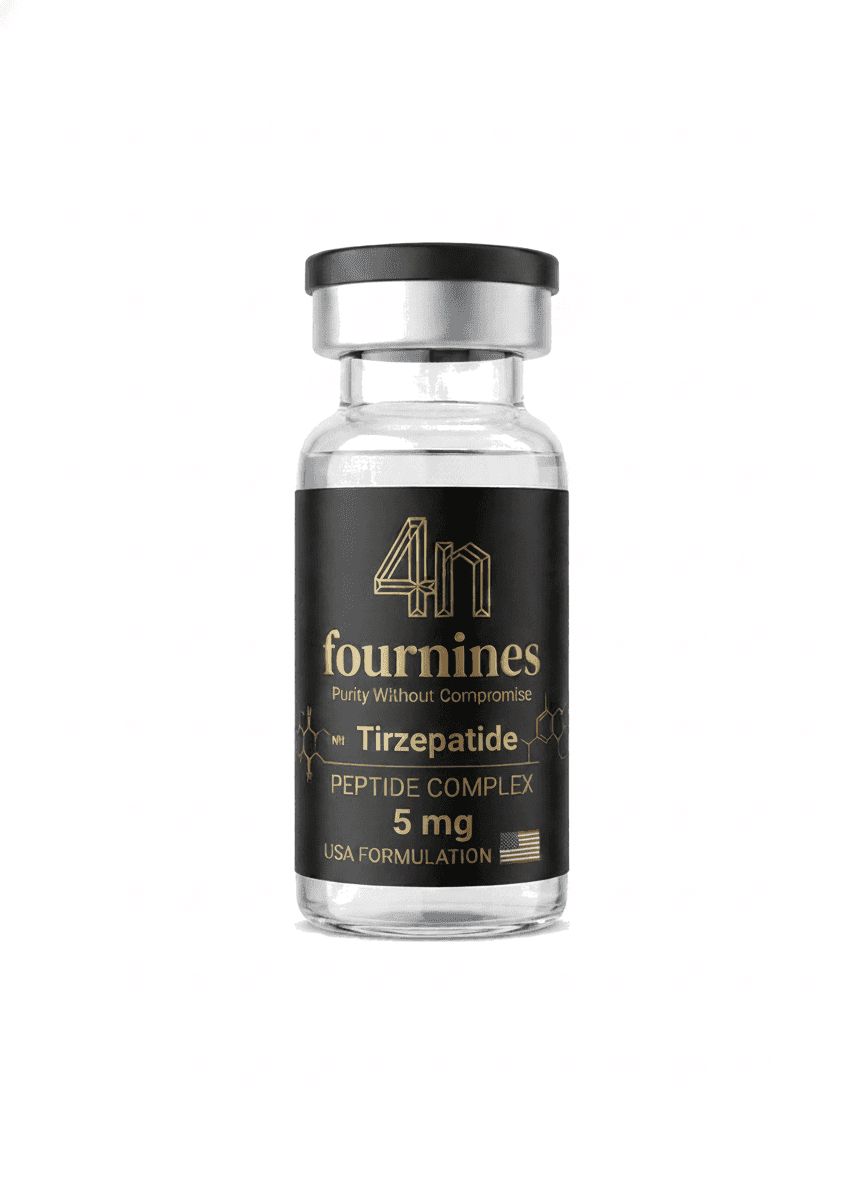
หมายเหตุ: ห้ามใช้ร่วมกับ tirzepatide 5mg — เป้า GLP-1 ที่ซ้ำซ้อนพร้อมผลข้างเคียงทางเดินอาหารที่ขยายและไม่มีประโยชน์เพิ่มเติม
ข้อควรระวัง
- คลื่นไส้คือปัญหาหลัก เน้นไปที่ 48 ชั่วโมงแรกหลังการเพิ่มโดสแต่ละครั้ง มันหายไปเมื่อถึงสถานะคงที่ที่ระดับโดสนั้น การปรับเพิ่มช้าป้องกัน การรีบเร่งไม่ป้องกัน
- การระบายกระเพาะที่ช้ากลบการส่งสารอาหารหลังการออกกำลังกาย จัดตารางมื้ออาหารคาร์โบไฮเดรตและโปรตีนให้ห่างจากวันฉีดหลายชั่วโมง — เวลาการกินสารอาหารรอบการฝึกสำคัญน้อยกว่ากับ semaglutide แต่อาหารหนักรอบการออกกำลังกายในวันฉีดอาจอยู่ไม่ดี
- การสูญเสียมวลกล้ามเนื้อเป็นความเสี่ยงจริง Semaglutide ไม่เลือก — ถ้าโปรตีนต่ำและการฝึกขาดหายไป คุณสูญเสียกล้ามเนื้อพร้อมกับไขมัน โปรตีนเชิงรุกและการฝึกแรงต้านสม่ำเสมอไม่สามารถต่อรองได้ ไม่ใช่ตัวเลือกเสริม
- ห้ามใช้กับคนที่น้ำหนักต่ำกว่าปกติแล้วหรือมีประวัติพฤติกรรมการกินผิดปกติ การกดความอยากอาหารทรงพลังพอที่จะนำพฤติกรรมการกินที่ถูกบุกรุกแล้วไปสู่ที่อันตราย
เกี่ยวกับSemaglutide
Semaglutide คืออะไร?
Semaglutide คือ GLP-1 receptor agonist — ฮอร์โมน incretin endogenous glucagon-like peptide-1 รุ่นดัดแปลง วิศวกรรมด้วยสาย fatty acid เพื่อจับกับ albumin ซึ่งยืดครึ่งชีวิตให้ราว 7 วัน ออกฤทธิ์ที่ตัวรับ GLP-1 ใน hypothalamic arcuate nucleus เพื่อระงับความอยากอาหารผ่านสัญญาณความอิ่ม และในลำไส้…
ครึ่งชีวิตของ Semaglutide เท่าใด?
ครึ่งชีวิตในพลาสมาของ Semaglutide รายงานไว้ที่ประมาณ 7 วัน นี่คือตัวเลขอ้างอิงเชิงวิจัยที่อ้างอิงจากการศึกษาเภสัชจลนศาสตร์ที่ตีพิมพ์ — ช่วงเวลาบริหารยาและช่วงห่างของขนาดยาในโปรโตคอลที่ตีพิมพ์ถูกออกแบบโดยอิงค่านี้
ช่วงขนาดยาเชิงวิจัยทั่วไปของ Semaglutide คือเท่าใด?
ช่วงโปรโตคอลวิจัยที่ตีพิมพ์ของ Semaglutide อยู่ระหว่าง 0.25 → 2.4 mg/สัปดาห์ (ปรับขนาดยาในระยะ 16+ สัปดาห์) บริหารใต้ผิวหนัง ตัวเลขเหล่านี้อ้างอิงเฉพาะขนาดยาในวรรณกรรมวิจัย — ไม่ใช่คำแนะนำทางคลินิก และ Semaglutide จัดส่งที่นี่ในฐานะรีเอเจนต์เพื่อการวิจัยเท่านั้น
Semaglutide จัดอยู่ในสารประเภทใด?
Semaglutide จัดอยู่ในกลุ่มเปปไทด์วิจัยประเภท GLP-1 receptor agonist ในวรรณกรรมยังเรียกอีกชื่อว่า Ozempic หรือ Wegovy สารแต่ละตัวในกลุ่ม GLP-1 receptor agonist มีเภสัชวิทยาที่ทับซ้อนกัน แต่แตกต่างในด้านการเลือกจับตัวรับ ครึ่งชีวิต และการประยุกต์ใช้เชิงวิจัยที่รายงานไว้
รอบการใช้งานเชิงวิจัยทั่วไปของ Semaglutide เป็นอย่างไร?
ขนาดเริ่มต้น: 0.25 mg SC สัปดาห์ละครั้ง × 4 สัปดาห์ จากนั้น 0.5 mg × 4 สัปดาห์ จากนั้น 1.0 mg × 4 สัปดาห์ จากนั้น 1.7 mg × 4 สัปดาห์ จากนั้น 2.4 mg ขนาด maintenance เลื่อนไประดับขนาดถัดไปเฉพาะเมื่อระดับปัจจุบันได้รับการทนทานดี
หมายเหตุแคตตาล็อก
ขณะนี้ไม่มีSemaglutideในสต็อก
Semaglutideเป็นสารประกอบเพื่อการวิจัยที่เราบันทึกไว้ในฐานข้อมูลความรู้ แต่ยังไม่มีจำหน่ายเป็น SKU ในขณะนี้ สำหรับการสอบถามแหล่งจัดหาหรือคำสั่งซื้อปริมาณมากระดับสถาบัน กรุณาติดต่อทีมงานของเรา ระหว่างนี้ ขอเชิญสำรวจแคตตาล็อกเปปไทด์ที่ตรวจสอบด้วย HPLC ที่ความบริสุทธิ์ ≥99% ซึ่งเรามีจำหน่ายอยู่
เป้าหมายการวิจัยเดียวกัน
สารประกอบเพื่อการวิจัยที่เกี่ยวข้อง

รายการในอภิธานศัพท์อธิบายเภสัชวิทยาเพื่อการวิจัยในบริบทของการทดลองในหลอดทดลองและห้องปฏิบัติการเท่านั้น