Glossar · Heilungspeptid
BPC-157
Auch bekannt als: Body Protection Compound · Body Protective Compound 157 · BPC 157 · BPC157 · PL 14736 · Bepecin · BPC kosttilskudd
- Substanzklasse
- Heilungspeptid
- Halbwertszeit
- ~4 Stunden (geschätzt, subkutan)
- Übliche Dosierung
- 250–500 mcg/Tag
- Applikationsweg
- subkutan / IM (verletzungsnah bevorzugt)
Wirkmechanismus
BPC-157 ist ein 15 Aminosäuren langes Fragment, das aus einem gastroprotektiven Protein abgeleitet ist. Es reguliert die VEGFR2-Signalgebung hoch und treibt damit Angiogenese an Weichteilverletzungsstellen voran, und es moduliert die Stickoxidsynthese — die Kombination beschleunigt die Reparatur von Sehnen, Bändern und gastrointestinaler Mukosa. Anders als Peptide des Wachstumshormonpfades wirkt es eher lokal als systemisch, weshalb die Injektion in der Nähe der Verletzung für orthopädische Anwendungen einer einzelnen entfernten SC-Dosis überlegen ist.
Es hat zudem dokumentierte darmschützende Effekte (NSAID-Läsionen, IBD-nahe Entzündung) und erhält die Gefäßintegrität unter Stress in Tiermodellen.
Typisches Protokoll
- Einsteiger: 250 mcg SC einmal täglich, möglichst nahe der Verletzungsstelle injiziert. 4 Wochen on / 2 Wochen off.
- Fortgeschritten: 500 mcg SC aufgeteilt morgens/abends, lokal zur Verletzung, für 4–6 Wochen. Mit TB-500 für Sehnen-/Bänderfälle stacken.
- Zykluslänge: kontinuierliche Anwendung über 8 Wochen hinaus vermeiden. Das Heilungsfenster nimmt ab, sobald die initiale Reparaturkaskade abgeschlossen ist.
- Rekonstitution: 2 mL bakteriostatisches Wasser in ein 5-mg-Vial → 2,5 mg/mL. 10 IU auf einer U-100-Insulinspritze = 250 mcg.
Für wen geeignet
Regenerationsziel, ganz klar. Weichteilverletzungen (Sehnenentzündungen, Teilrisse, postoperative Reha), chronische Gelenkprobleme und darmbezogene Entzündungen. Kein muskelaufbauendes Peptid, kein Fettabbau-Peptid — nicht in diese Rollen zwingen.
Gut kombinierbar mit
- tb 500 5mg — synergistische Weichteilreparatur; BPC treibt Angiogenese an, TB-500 treibt Aktin-Remodelling und Zellmigration an.
- ghk cu 50mg — komplementäres Kollagen-Remodelling für dermale und Gelenkmatrix.
- beauty stack bpc tb500 ghk — vorgebündeltes BPC + TB-500 + GHK-Cu für kombinierte Regeneration und Bindegewebsarbeit.
Zu beachten
- Maskiert Sehnen- und Bänderschmerzen. Trainingslast ehrlich halten, sonst Re-Verletzung, sobald das Signal weg ist.
- Wenig Evidenz für akute Knochenbruchheilung — besser für Weichteile als für Knochen.
- Orales BPC existiert in der Literatur, aber SC/IM ist das, was bei diesen Dosen tatsächlich funktioniert.
Über BPC-157
Was ist BPC-157?
BPC-157 ist ein Fragment aus 15 Aminosäuren, abgeleitet von einem magenschützenden Protein. Es verstärkt das VEGFR2-Signaling und treibt die Angiogenese an Verletzungsstellen von Weichgewebe an, und moduliert die Stickstoffmonoxid-Synthese — die Kombination beschleunigt die Reparatur von Sehnen, Bändern und der gastrointestinalen Schleimhaut.
Wie lang ist die Halbwertszeit von BPC-157?
Die Plasma-Halbwertszeit von BPC-157 wird mit etwa 4 Stunden angegeben (geschätzt, subq). Es handelt sich um einen forschungsbezogenen Referenzwert aus veröffentlichten pharmakokinetischen Studien — der Verabreichungszeitpunkt und die Dosierungsintervalle in publizierten Protokollen sind auf diesen Wert ausgelegt.
Wie lautet der typische Forschungsdosierungsbereich für BPC-157?
Veröffentlichte Forschungsprotokollbereiche für BPC-157 liegen zwischen 250–500 mcg/Tag, subq / IM verabreicht (lokal an der Verletzung bevorzugt). Diese Angaben beziehen sich ausschließlich auf die Dosierung in der Forschungsliteratur — sie stellen keine klinische Empfehlung dar, und BPC-157 wird hier ausschließlich als Forschungsreagenz geliefert.
Welcher Verbindungsklasse gehört BPC-157 an?
BPC-157 gehört zur Klasse der healing peptide-Forschungspeptide. In der Literatur wird es auch als Body Protection Compound oder PL 14736 bezeichnet. Jede healing peptide-Verbindung weist eine überlappende Pharmakologie auf, unterscheidet sich jedoch in Rezeptorselektivität, Halbwertszeit und berichteten Forschungsanwendungen.
Wie sieht der typische Forschungsprotokollzyklus für BPC-157 aus?
Einsteiger: 250 mcg SC einmal täglich, so nah wie möglich an der Verletzungsstelle injiziert. 4 Wochen on / 2 Wochen off.
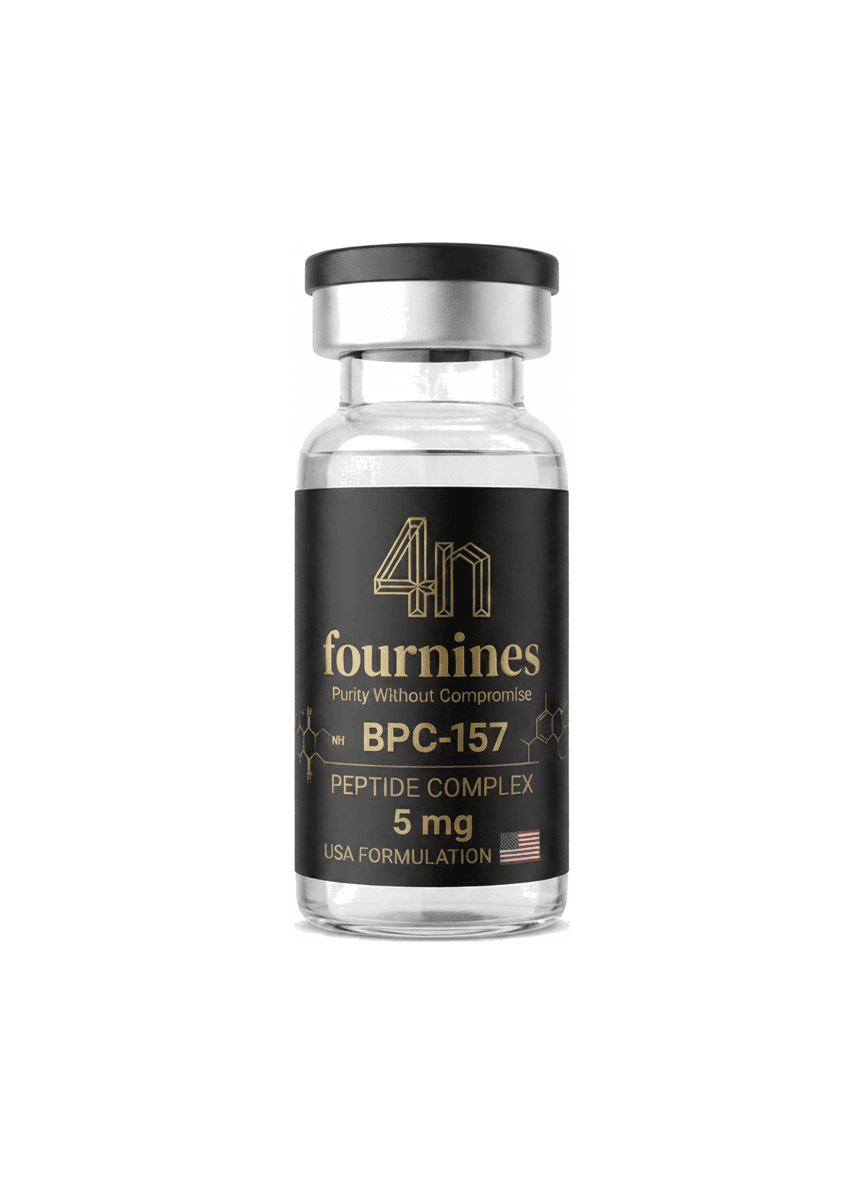
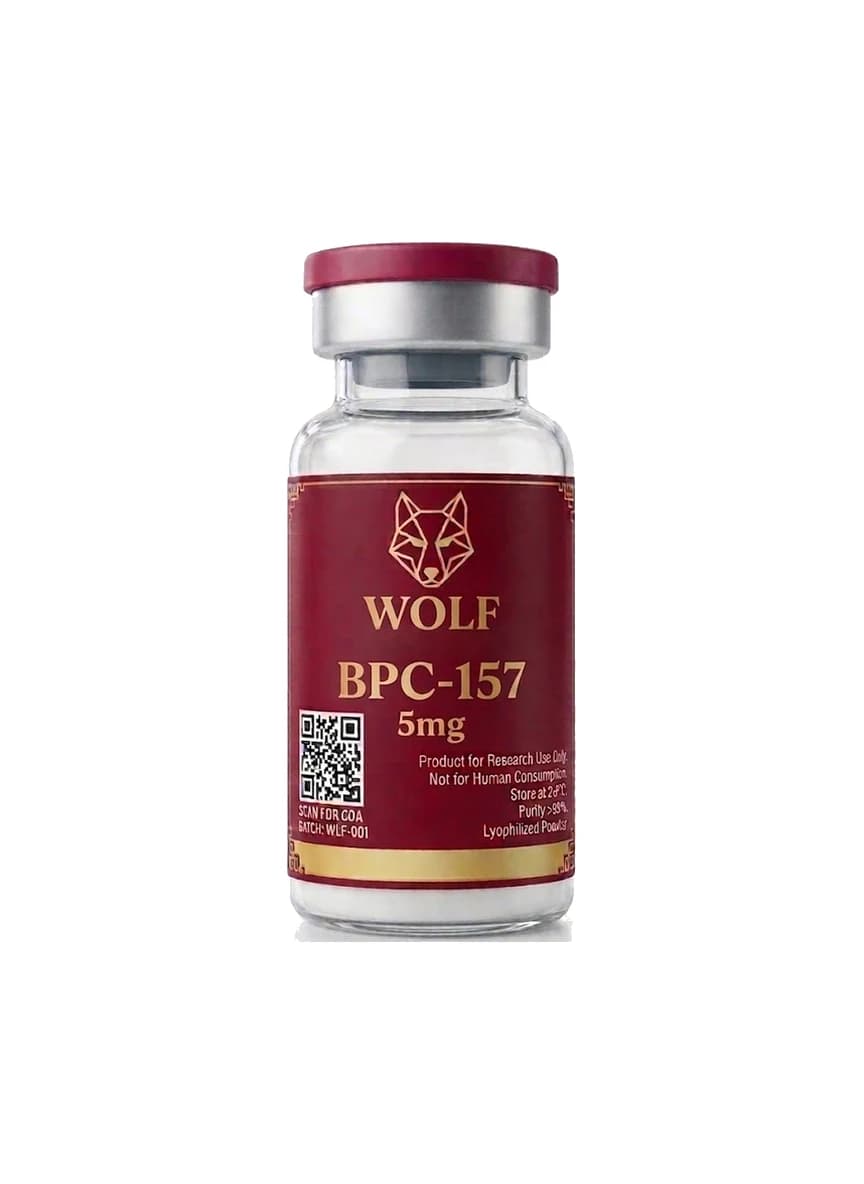
BPC-157-Forschungsprodukte
Alle Produkte →
Glossareinträge beschreiben die Forschungspharmakologie ausschließlich für In-vitro- und Laborkontexte.