BPC-157 vs TB-500: Tissue-Repair Research Peptides Compared
BPC-157 and TB-500 are the two most-studied tissue-repair peptides in regenerative-medicine research, and they are almost always discussed together because they work through complementary — not overlapping — mechanisms. Choosing one over the other depends on the injury model; choosing both (the canonical stack) is common for severe soft-tissue work.
Both are available at LifeSpanSupply as lyophilized powder at ≥99% HPLC purity. BPC-157 ships as a 15-amino-acid peptide derived from gastric juice; TB-500 as a synthetic fragment of the 43-amino-acid Thymosin Beta-4 protein found in virtually every human cell.
BPC-157
Full entry →- Class
- healing peptide
- Half-life
- ~4 hours (est., subq)
- Dose
- 250–500 mcg/day
- Route
- subq / IM (local to injury preferred)
TB-500
Full entry →- Class
- healing peptide
- Half-life
- ~2 days (est.)
- Dose
- 2–5 mg/week split across 2–3 doses
- Route
- subq / IM
Key differences at a glance
| Property | BPC-157 | TB-500 |
|---|---|---|
| Derivation | 15-aa fragment of gastric juice BPC | Synthetic fragment of Thymosin Beta-4 |
| Primary mechanism | Growth factor upregulation (EGF, FGF, VEGF) | Actin binding + cell migration |
| Locality | Local — inject proximal to injury | Systemic — inject anywhere |
| Half-life | ~4 hours (est., subq) | ~2–3 days (extended fragment) |
| Typical dose | 250–500 mcg SC daily | 2–2.5 mg SC twice weekly |
| Best for | Tendon, ligament, gut, muscle crush | Cardiac, systemic inflammation, hair follicle |
| Cycle length | 4–6 weeks on / 2 off | 4–6 weeks loading, then maintenance |
Mechanism: angiogenesis vs cell migration
BPC-157 works locally. Subcutaneous or intramuscular injection proximal to the injury site drives VEGFR2 signaling, upregulates growth factors (EGF, FGF, VEGF, NGF), and modulates nitric-oxide synthesis. The combined effect is accelerated angiogenesis at the injury — new capillary formation brings oxygen and nutrients to damaged tissue. Most of BPC-157's documented effects in animal models are local-first, which is why injection proximal to the site outperforms a single remote subq dose for orthopedic work.
TB-500 works systemically. It binds G-actin and releases it for actin-filament repolymerization, which is the rate-limiting step in cell migration. The peptide facilitates the movement of stem cells, endothelial cells, and satellite (muscle-stem) cells to injury sites. It also reduces inflammation through broader systemic mechanisms. This makes TB-500 effective regardless of injection site — ideal for cardiac work, systemic inflammatory models, or injuries that are hard to target locally (deep internal organs, neural tissue).
When to stack them
The canonical tissue-repair research stack pairs BPC-157 with TB-500 because their mechanisms compound: BPC drives angiogenesis at the repair site, TB-500 drives cell migration to that site. Neither alone is complete — angiogenesis without cells to populate the tissue is wasted; cell migration without adequate vascularization is also wasted. Severe soft-tissue injuries (tendon transections, muscle crush, post-surgical rehab) often warrant the combined protocol.
For less-complex protocols, pick based on locality: can you inject directly adjacent to the injury? Then BPC-157 alone is often sufficient. Is the injury distributed (systemic inflammation, multiple sites, cardiac) or hard to localize? TB-500 alone is the better starting tool.
When to pick each
Pick BPC-157 when
- Tendonitis, partial tears, ligament injuries, post-surgical rehab — BPC-157's local angiogenesis bias shines.
- Gut-related inflammation research (NSAID lesions, IBD-adjacent models).
- Lower cost-per-protocol; daily dosing preferred over twice-weekly.
Pick TB-500 when
- Cardiac repair models, systemic inflammation, hair-follicle stem-cell research.
- Injuries that are hard to reach with local injection (deep internal, distributed).
- Protocols that need less-frequent dosing (twice-weekly vs daily).
Frequently asked
Can BPC-157 and TB-500 be used in the same protocol?
Yes — the canonical tissue-repair research stack combines both. BPC-157 drives angiogenesis at the injury site while TB-500 drives cell migration toward it. They work through complementary mechanisms and do not compete for receptors. Most researchers running severe soft-tissue protocols stack them rather than choosing between them.
Which works faster?
BPC-157 has a shorter half-life and shows effects earlier in typical orthopedic models — usually within 1–2 weeks for tendon/ligament work. TB-500 has a longer extended half-life and effects accumulate over 3–4 weeks. For speed, BPC-157 alone; for depth, stack.
Are there contraindications between them?
No documented receptor overlap or adverse interactions in research literature. The stack is well-tolerated in animal models. As with all research peptide protocols, maintain realistic training loads during recovery — BPC-157 in particular will mask tendon pain and re-injury is the main risk.
Is LifeSpanSupply's TB-500 full-length Thymosin Beta-4?
We stock the synthetic TB-500 fragment, which is the standard research form. Full-length Thymosin Beta-4 (43 amino acids) is sometimes sold separately; the fragment retains the key actin-binding sequence and is what appears in the preponderance of tissue-repair literature.
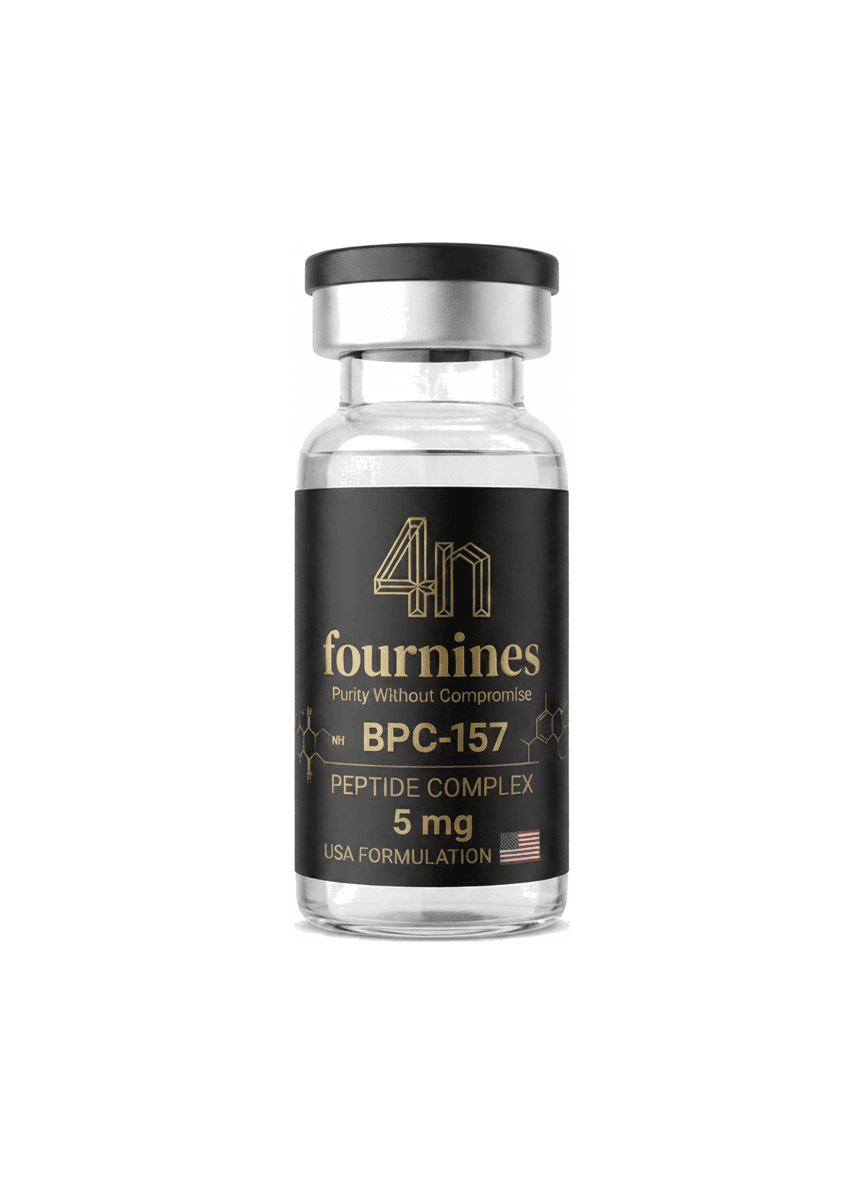
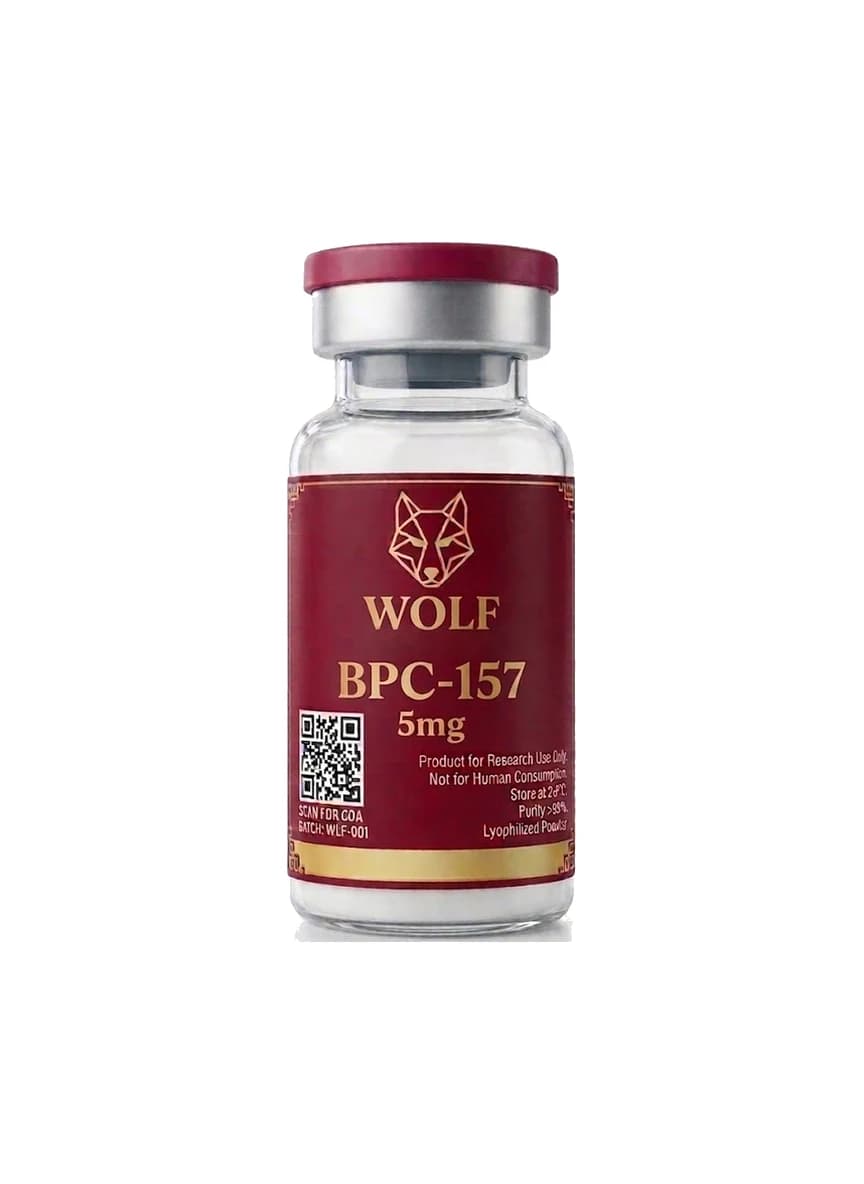
Shop BPC-157
All products →
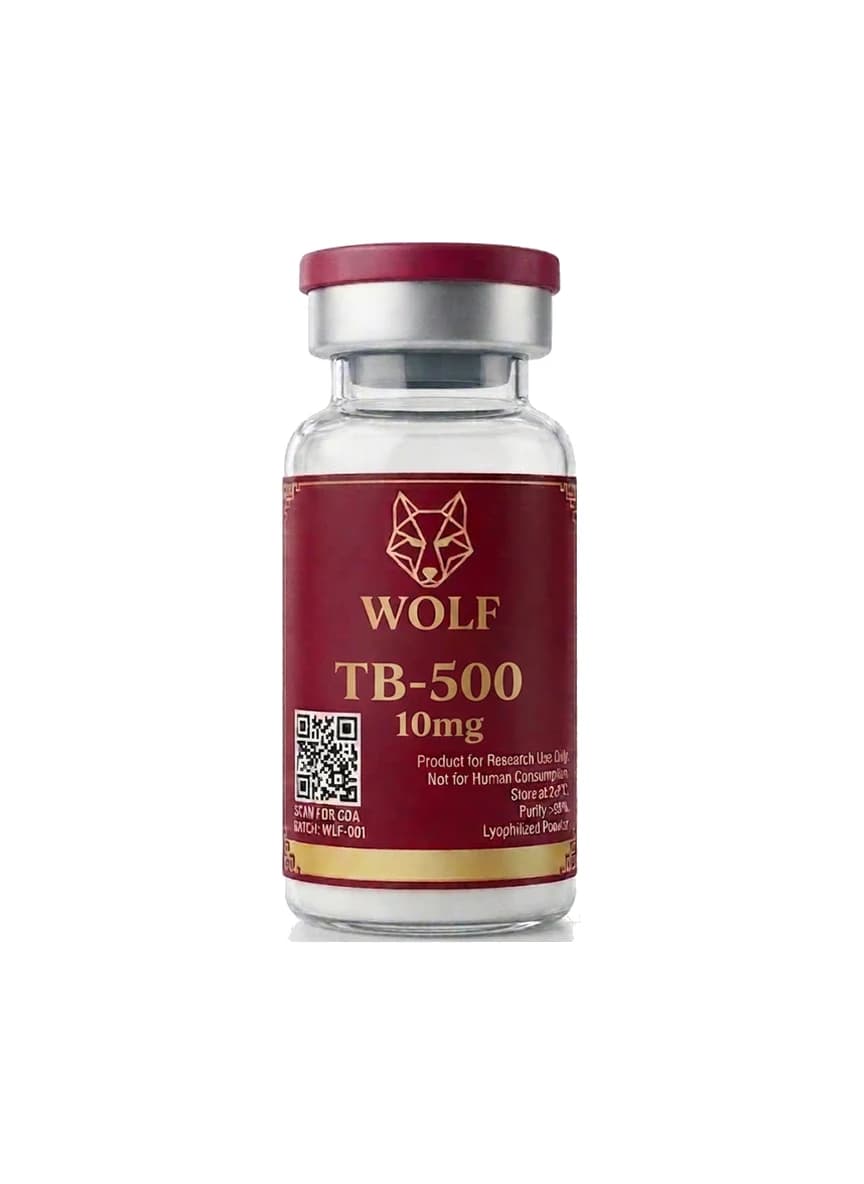
Shop TB-500
All products →

Comparison guides summarize research-context differences. All compounds are chemical reagents for in-vitro research use only. Not for human consumption.