Glossar · GHRH analog
Tesamorelin
Auch bekannt als: Egrifta · TH9507 · تيسامورلين · Tesamorelina
- Substanzklasse
- GHRH analog
- Halbwertszeit
- ~30 minutes
- Übliche Dosierung
- 1–2 mg/day (subq)
- Applikationsweg
- subq
Mechanism
Tesamorelin is a stabilized synthetic analog of growth hormone-releasing hormone (GHRH), engineered with an N-terminal hexenoyl trans-3 modification that resists dipeptidyl peptidase IV (DPP-IV) degradation. The result is a GHRH molecule that survives long enough in circulation to produce a clean, pulsatile release of endogenous growth hormone from the pituitary — restoring a physiological GH-pulse pattern rather than the flat, supraphysiological signal of exogenous rhGH.
The most studied clinical signal is visceral adipose tissue (VAT) reduction. In HIV-associated lipodystrophy trials — the indication that earned Tesamorelin its FDA approval in 2010 — patients lost approximately 15–18% of visceral fat over 26 weeks at 2 mg/day, with no significant change in subcutaneous fat and no impact on fasting glucose at the prescribed dose. The mechanism appears to be GH-driven preferential lipolysis at visceral depots, where adipocytes express higher densities of GH receptors than peripheral fat.
Beyond VAT, the elevated IGF-1 signal that follows the GH pulse supports collagen synthesis, sleep-architecture quality, and lean-mass preservation — making Tesamorelin a useful research tool for protocols targeting middle-aged metabolic decline, where visceral adiposity is the primary driver of inflammation and cardiometabolic risk.
Typical protocol
- Starter: 1 mg SC nightly (subcutaneous abdomen, away from injection-site lipohypertrophy zones). Run for 12 weeks before judging response.
- Advanced: 2 mg SC nightly × 16–26 weeks. The FDA-approved dose in HIV lipodystrophy is 2 mg/day; visceral fat reduction is dose-dependent and time-dependent — most data points come from 26-week studies.
- Cycle length: 12–26 weeks on / 4–8 weeks off. Effects on VAT often persist for several weeks after cessation but regress over months without continued dosing.
- Reconstitution: 5 mg vial + 2 mL bacteriostatic water → 2.5 mg/mL. On a U-100 insulin syringe, 40 IU = 0.4 mL = 1.0 mg; 80 IU = 0.8 mL = 2.0 mg. Dose immediately before bed to align with the natural overnight GH pulse.
Who it's for
Research framing: middle-aged metabolic phenotype with elevated visceral adiposity, declining sleep quality, and GH-axis age-related blunting. Tesamorelin's preferential VAT reduction makes it the GHRH analog of choice when the goal is to lower waist circumference, improve insulin sensitivity at the liver, and restore overnight GH pulses without the receptor-desensitization and metabolic disruption of exogenous rhGH.
Less suited to lean users targeting peripheral fat loss — visceral adipose response is the consistent signal; subcutaneous response is not.
Stacks well with
- ipamorelin 5mg — ghrelin-mimetic ghrh-secretagogue pairing. Tesamorelin elevates GHRH tone; ipamorelin amplifies the GH pulse through a parallel receptor pathway, producing a higher overall GH peak than either alone.
- cjc 1295 no dac — alternative GHRH analog with a shorter half-life suited to lean-mass and recovery research; Tesamorelin is preferred when visceral fat is the target.
- bpc 157 5mg supreme biologics — pairs cleanly during recovery research where GH-axis support is wanted alongside soft-tissue repair.
Watch-outs
- Glucose tolerance: pharmacologic GH elevation produces insulin resistance in the dose-dependent range above 2 mg. The 1–2 mg dose appears glucose-neutral in long-term HIV trials but should be tracked with fasting glucose and HbA1c during extended use.
- IGF-1 elevation is the intended downstream signal — monitor it. Sustained IGF-1 above the age-adjusted upper reference range warrants a dose reduction.
- Injection-site reactions (erythema, pruritus, lipohypertrophy) occur in 25–30% of users at 2 mg/day. Rotate injection sites across abdominal quadrants.
- Edema, arthralgia, and carpal-tunnel-like symptoms are reported during the first 4–8 weeks and usually self-resolve as receptors recalibrate.
- Contraindicated in active malignancy research models — GH signaling can theoretically support tumor cell proliferation.
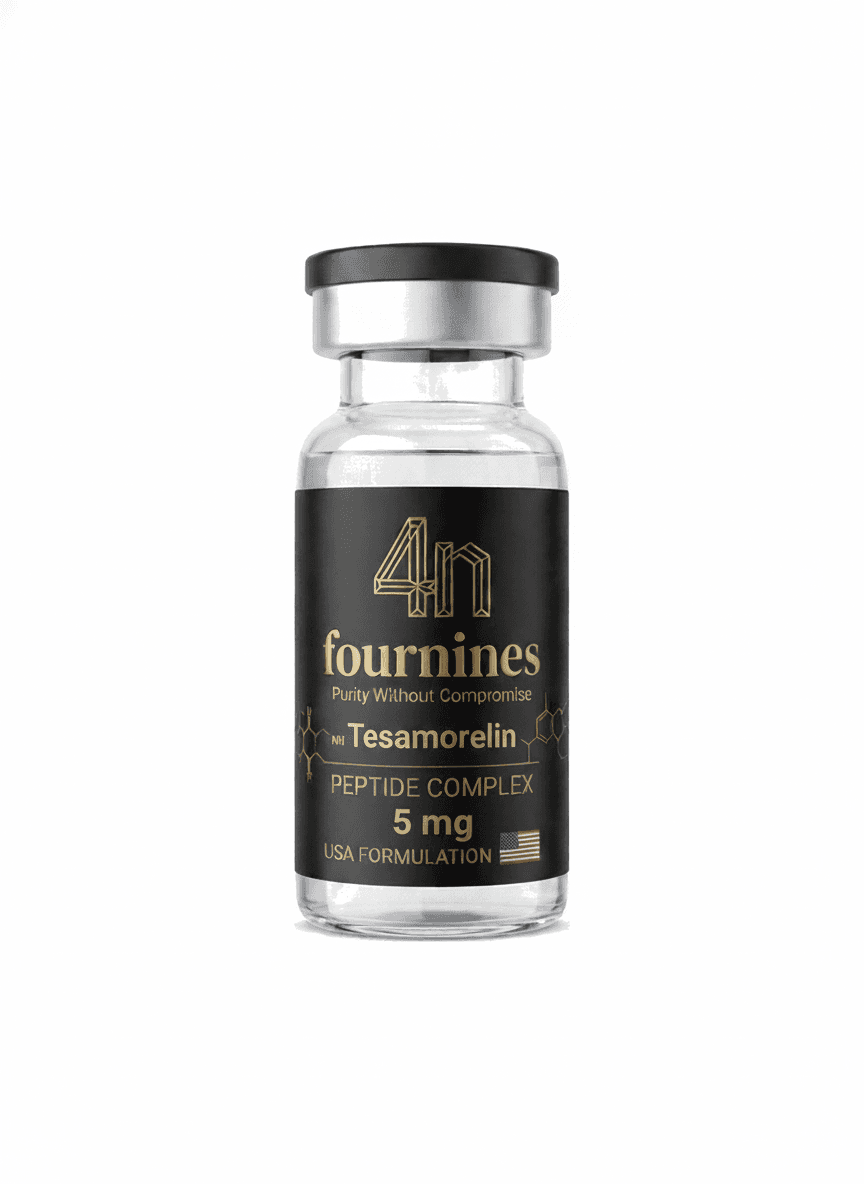
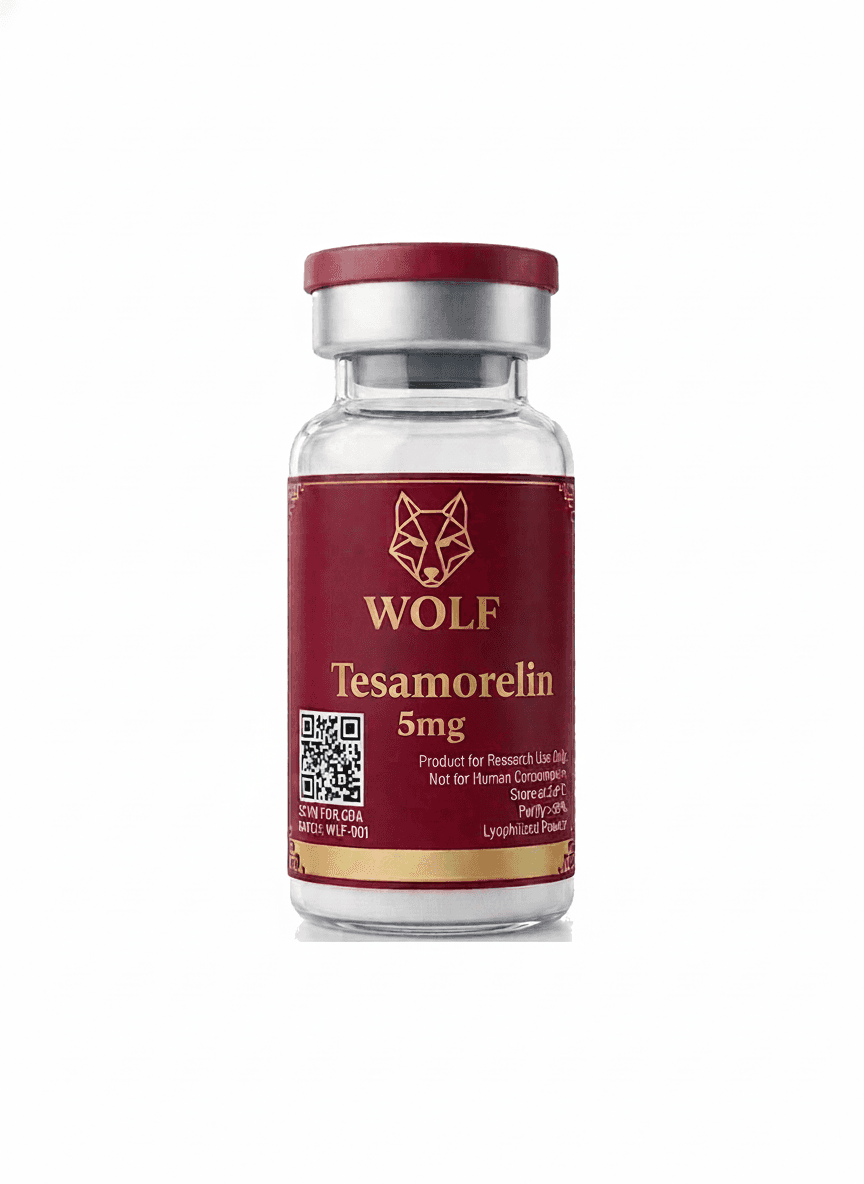
Tesamorelin-Forschungsprodukte
Alle Produkte →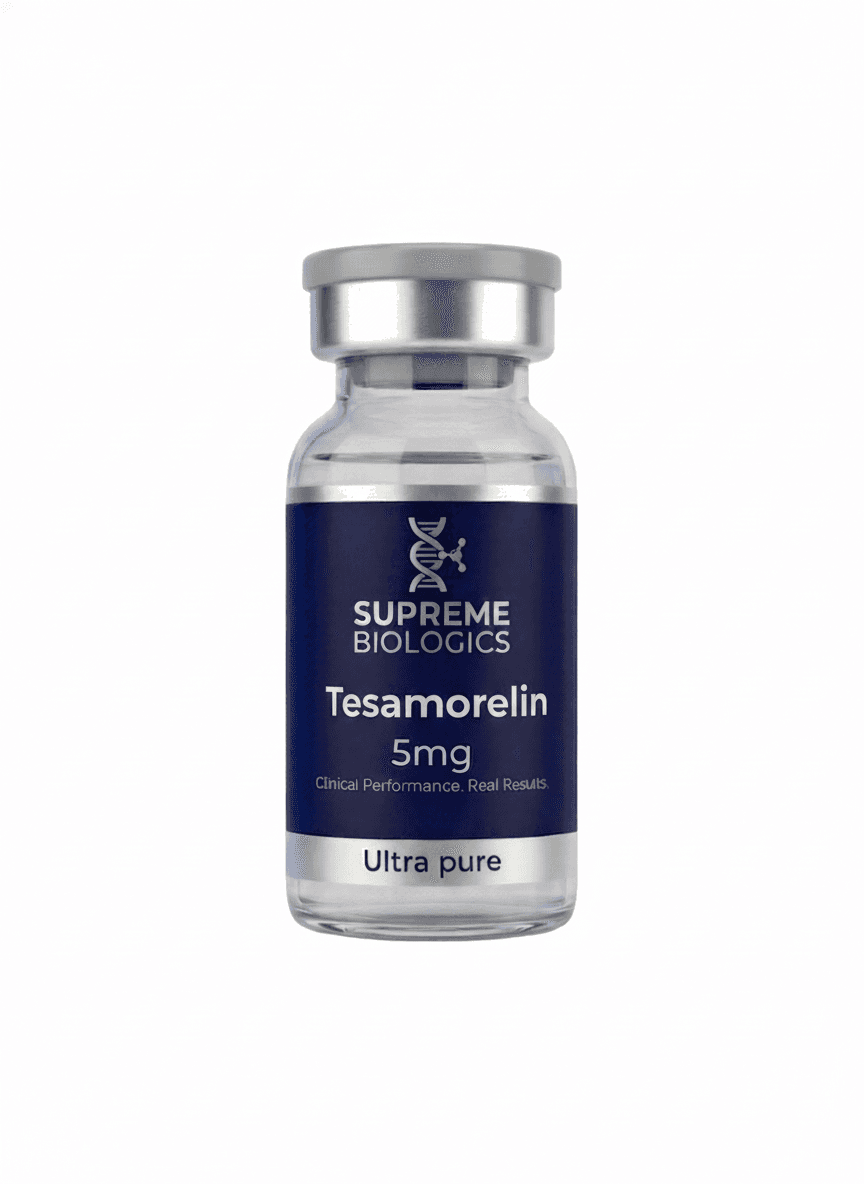
Glossareinträge beschreiben die Forschungspharmakologie ausschließlich für In-vitro- und Laborkontexte.