Retatrutide vs Tirzepatide: Triple vs Dual Incretin Agonism
Retatrutide and Tirzepatide are the two leading metabolic-research peptides built on multi-incretin pharmacology, and the comparison between them is rapidly becoming the most-watched in the GLP-1 class. Tirzepatide acts on two receptors — GLP-1 and GIP — and produced the largest weight-loss magnitudes seen in obesity trials before 2023. Retatrutide adds a third receptor target — glucagon — and the Phase 2 data shows it exceeding Tirzepatide on weight-loss endpoints in head-to-head-relevant trial cohorts.
The glucagon addition is the architectural reason. Glucagon-receptor agonism drives energy expenditure (the side researchers want for weight-loss protocols) while also driving hepatic glucose output (the side researchers do NOT want). Retatrutide's engineering tuned the balance toward expenditure with relatively manageable glucose impact — the key innovation that lets a triple-agonist work clinically. For research teams comparing the two, the choice is between the most-published incretin tool (Tirzepatide) and the frontier-pathway tool (Retatrutide).
Retatrutide
Full entry →- Class
- GLP-1 / GIP / glucagon triple agonist
- Half-life
- ~6 days
- Dose
- 1 → 12 mg/week titrated
- Route
- subq
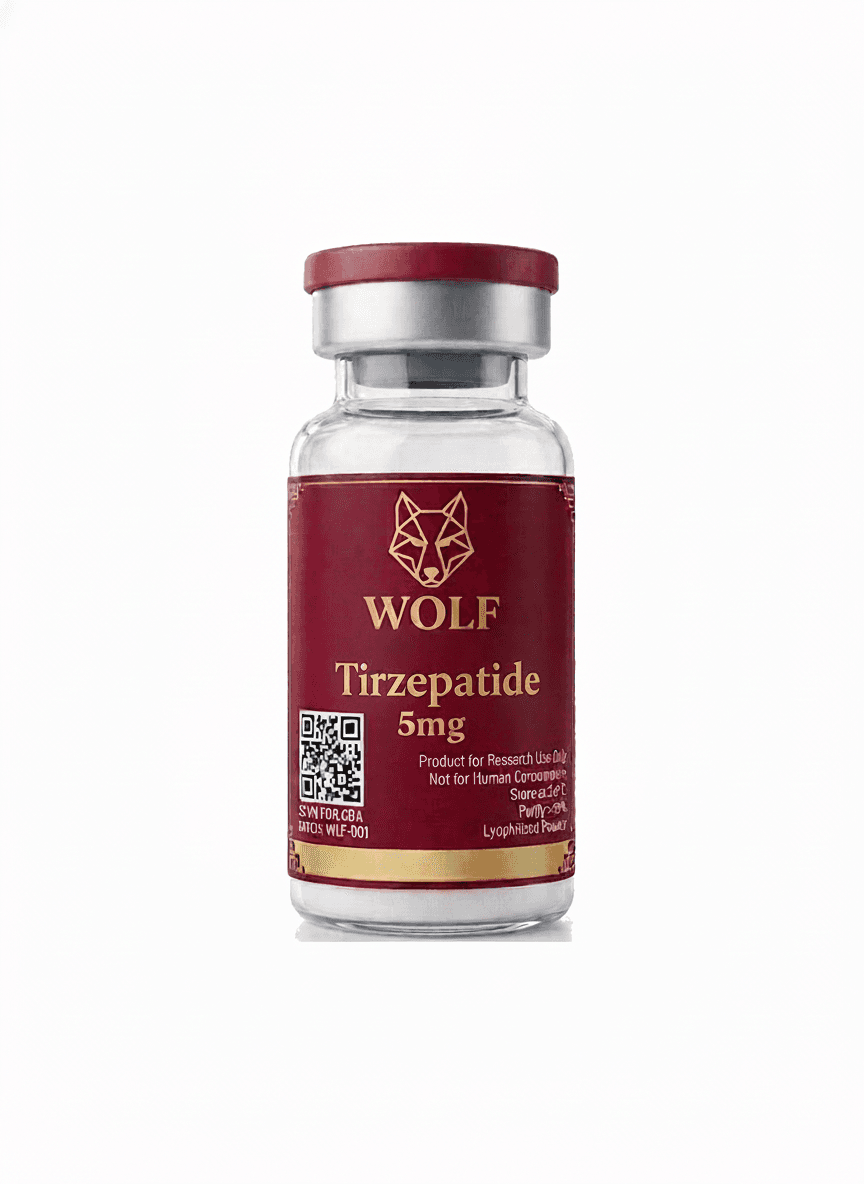
Tirzepatide
Full entry →- Class
- GLP-1 / GIP dual agonist
- Half-life
- ~5 days
- Dose
- 2.5 → 15 mg/week (titrated)
- Route
- subq
Key differences at a glance
| Property | Retatrutide | Tirzepatide |
|---|---|---|
| Receptor target | GLP-1 + GIP + Glucagon (triple) | GLP-1 + GIP (dual) |
| Class | Tri-incretin agonist | Dual incretin agonist |
| Half-life | ~6 days | ~5 days |
| Administration | Subcutaneous, once weekly | Subcutaneous, once weekly |
| Typical research dose | 2 → 12 mg/week (Phase 2 titration ladder) | 2.5 → 15 mg/week (titrated) |
| Weight-loss magnitude (Phase 2 / SURMOUNT) | ~24% body weight at 48 weeks (12 mg) | ~22% body weight at 72 weeks (15 mg) |
| GI side-effect profile | Comparable to Tirzepatide; dose-dependent | Moderate; dose-dependent |
| Research maturity | Phase 2 published (2023); Phase 3 ongoing | Phase 3 complete (SURMOUNT, SURPASS) |
Why the third receptor matters
Tirzepatide established that dual GLP-1 + GIP agonism outperforms mono-GLP-1 on weight-loss endpoints — the SURPASS-2 head-to-head versus Semaglutide is the canonical reference. The mechanism is additive: GIP-receptor activation modulates adipocyte lipid handling and amplifies the insulin-secretory effect of GLP-1, producing larger metabolic effect sizes per matched dose.
Glucagon agonism adds a fundamentally different pillar — direct energy expenditure. The glucagon receptor drives lipolysis, fatty-acid oxidation, and resting metabolic rate, alongside the unwanted side-effect of hepatic glucose output. Older "glucagon-only" research showed the expenditure benefit but couldn't separate it from glycemic destabilization. Retatrutide's ratio engineering — balanced GLP-1 + GIP agonism counteracting the glucose-output effect of glucagon — is what unlocks the triple-agonist as a research tool.
Trial data: what the Phase 2 numbers show
Retatrutide's Phase 2 trial (Jastreboff et al., 2023, NEJM) randomized 338 adults with obesity to placebo or Retatrutide at 1 / 4 / 8 / 12 mg/week. At 48 weeks, the 12 mg arm showed mean body-weight reduction of approximately 24%, with 100% of participants reaching ≥5% loss and 83% reaching ≥15% loss. These are larger response rates than any GLP-1-class compound at matched time-points.
Tirzepatide's SURMOUNT-1 trial (Jastreboff et al., 2022, NEJM) at 15 mg/week produced ~22% weight reduction at 72 weeks. The trial timepoints differ — Retatrutide Phase 2 was 48 weeks; SURMOUNT-1 was 72 weeks — and head-to-head direct comparison data is not yet published, so caution is warranted in inferring magnitude order. The Phase 3 SURMOUNT-5 / SURPASS-style trials currently running on Retatrutide will be the definitive head-to-head data.
Reconstitution and protocol practicality
Both peptides ship as lyophilized powder and reconstitute identically: bacteriostatic water injected slowly down the vial wall, gentle swirl to dissolve, 28-day refrigerated stability. A 5 mg Retatrutide vial reconstituted with 2 mL bac water yields 2.5 mg/mL — 0.1 mL (10 IU on a U-100 syringe) contains 250 mcg, convenient for the Phase 2 dose-titration schedule.
Once-weekly administration windows match across the class, so protocols can be designed in parallel for both compounds with identical timing schedules. Researchers comparing the two compounds within a single study should plan extended washout windows — the 6-day half-life of Retatrutide and 5-day half-life of Tirzepatide both require 4+ weeks for >95% washout.
When to pick each
Pick Retatrutide when
- Research question touches the glucagon-receptor energy-expenditure pathway specifically.
- You want frontier-class triple-agonist data alongside or against established dual-agonist baselines.
- Magnitude of weight-loss effect is the primary endpoint; Phase 2 data suggests Retatrutide exceeds Tirzepatide here.
Pick Tirzepatide when
- You need the longer published trial record (SURPASS, SURMOUNT, Phase 3-complete).
- Research protocol calls for the most-replicated dual-incretin reference compound.
- Cardiovascular or established-protocol research where Tirzepatide is the canonical comparator.
Frequently asked
Is Retatrutide just "stronger Tirzepatide"?
No — they are architecturally different. Tirzepatide is a dual GLP-1 / GIP agonist; Retatrutide adds glucagon-receptor agonism as a third pathway. The glucagon component drives energy expenditure directly, a mechanism Tirzepatide does not engage. The larger weight-loss numbers in Retatrutide Phase 2 likely reflect both magnitude and the new pathway.
Why is glucagon agonism a good thing? Glucagon raises blood sugar.
It does, which is why historical glucagon-only research stalled. Retatrutide's ratio engineering balances the glucagon-driven energy-expenditure benefit against the unwanted hepatic glucose output by simultaneously activating GLP-1 (which suppresses glucagon-stimulated glucose release at the receptor level). The net effect is energy-expenditure benefit with controlled glycemic impact.
Is Retatrutide FDA-approved?
No — Retatrutide is in Phase 3 trials. Tirzepatide (as Mounjaro / Zepbound) and Semaglutide (as Ozempic / Wegovy) are FDA-approved for diabetes and weight management. LifeSpanSupply stocks Retatrutide strictly as a research reagent for laboratory use, not as a clinical or human-administration product.
Can the two be used in the same protocol?
In research, stacking two multi-incretin agonists is not done — receptor pathways overlap and dose-response becomes uninterpretable. Pick one based on the research question. The class-comparison study design that does work is parallel cohorts, not co-administration.
Which has more research literature published?
Tirzepatide has the longer record — the SURPASS program covered diabetes endpoints across 5 trials, SURMOUNT covered obesity across 4 trials. Retatrutide's published record so far is the 2023 Phase 2 NEJM paper plus mechanism studies. Phase 3 data will narrow the gap.
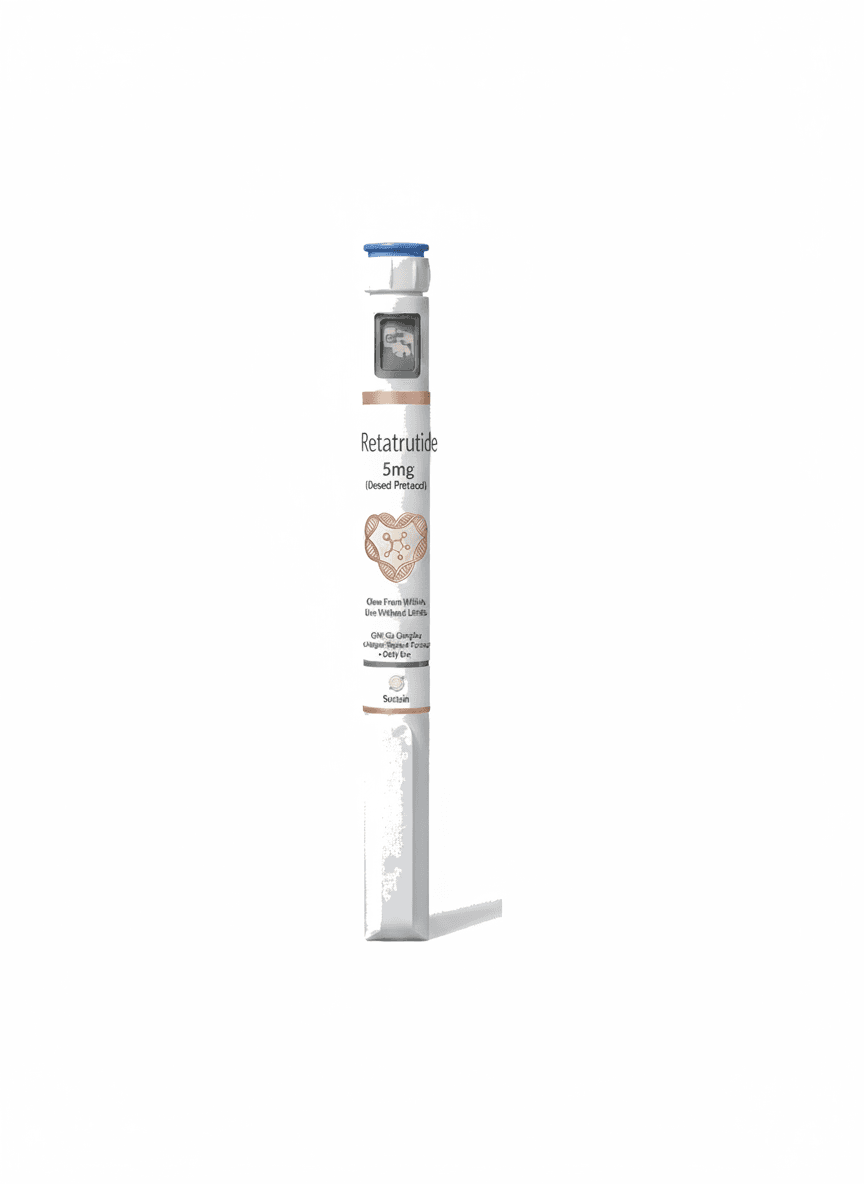
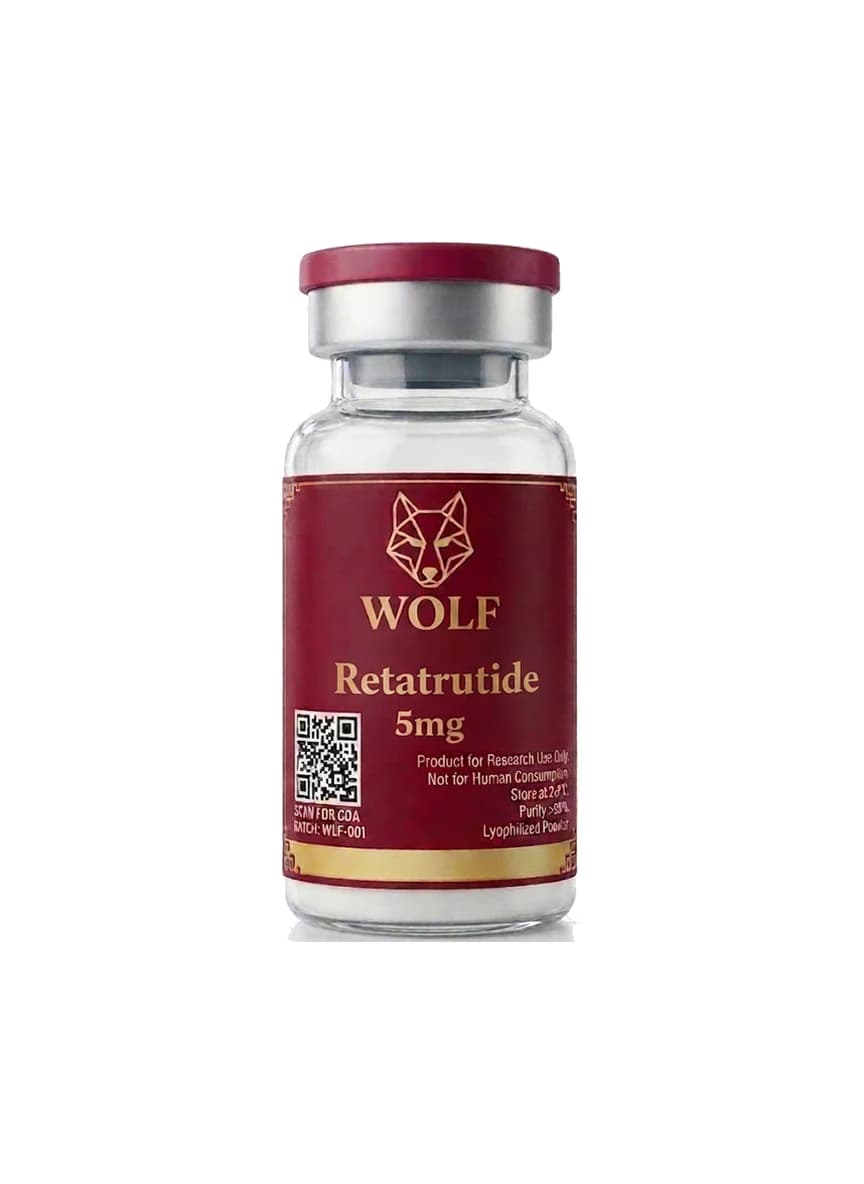
Shop Retatrutide
All products →
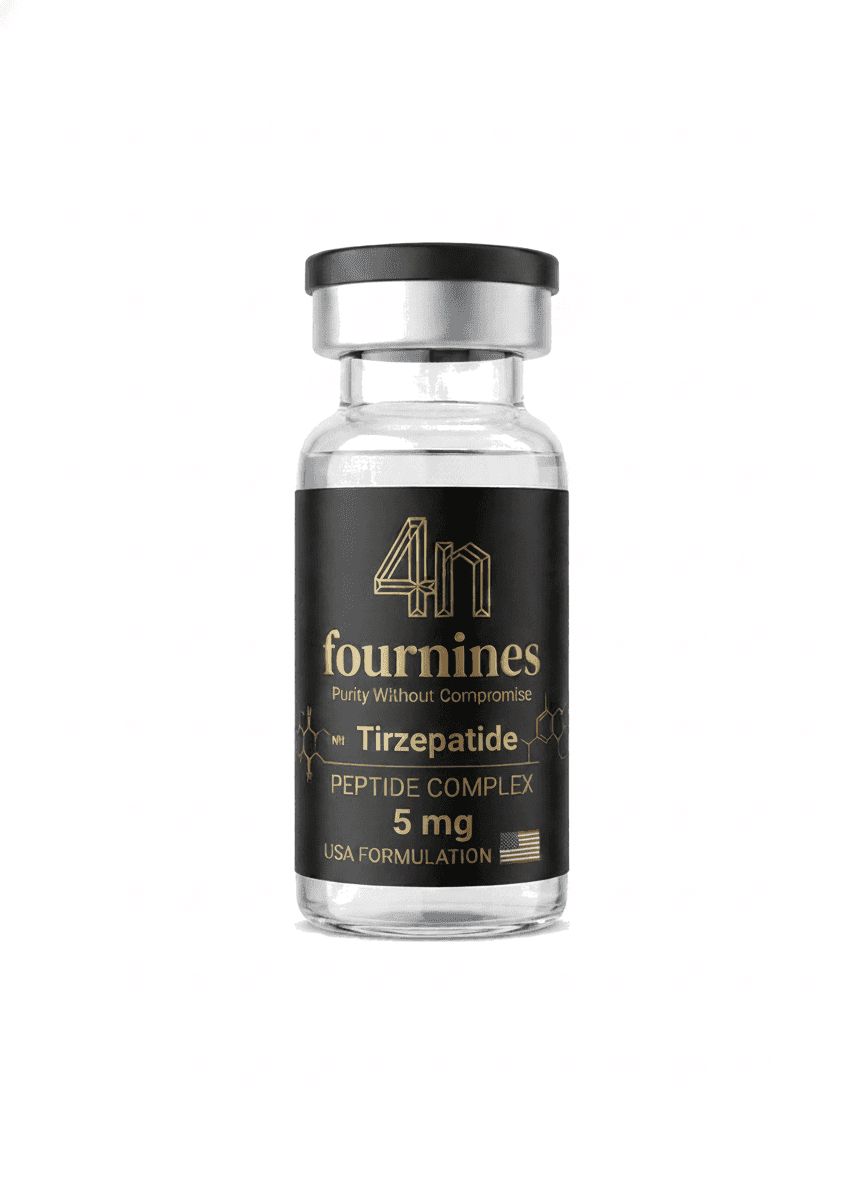
Shop Tirzepatide
All products →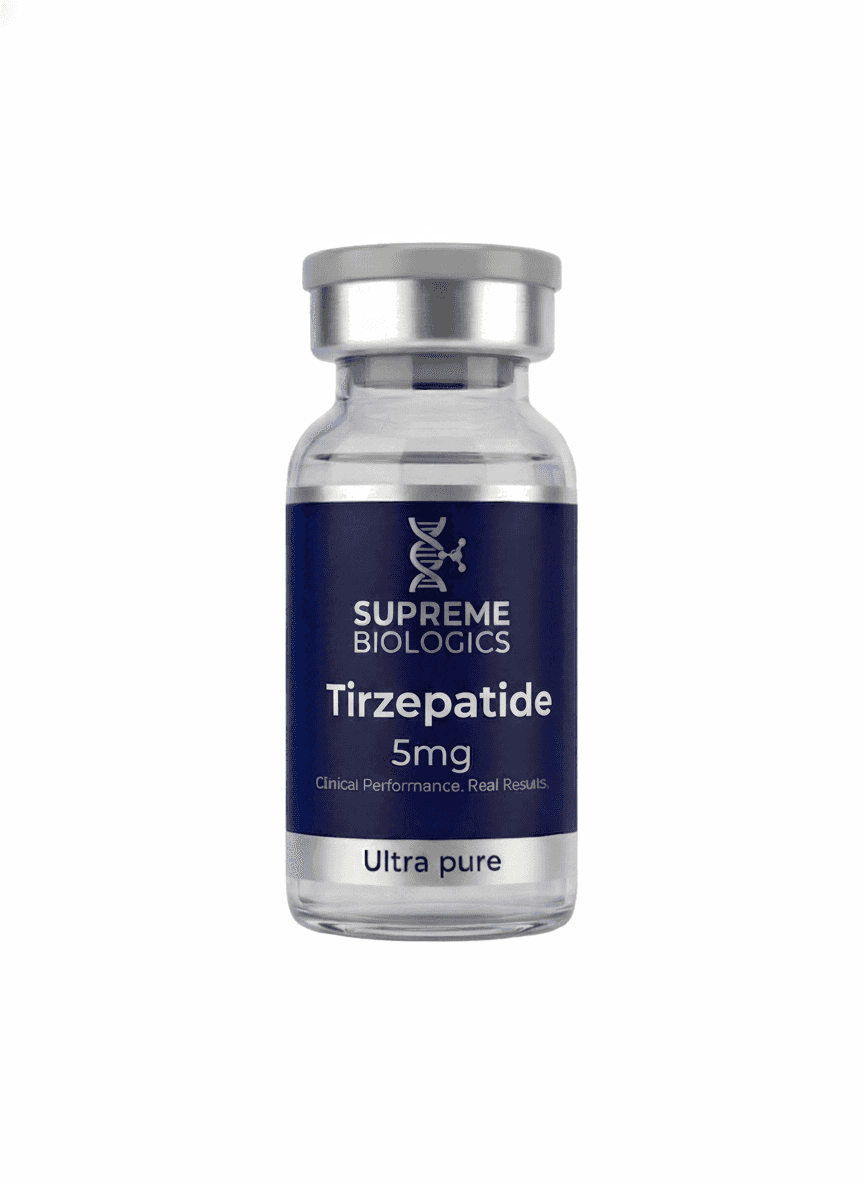
Comparison guides summarize research-context differences. All compounds are chemical reagents for laboratory analysis. See our Terms & Conditions.