
الركيزة البحثية الأيضية
ناهضات GLP-1: الفئة البحثية التي تُعيد كتابة علم الأحياء الأيضي
تُعدّ ناهضات مستقبل glucagon-like peptide-1 (GLP-1) أهم فئة من الببتيدات الأيضية التي ظهرت خلال العقدين الماضيين بلا منازع. بدأت المسيرة بناهض مفرد واحد (Exenatide، 2005)، ثم توسّعت لتُشكّل فئة بحثية ناضجة تشمل ناهضات GLP-1 الخالصة (Semaglutide) وناهضات GIP + GLP-1 المزدوجة (Tirzepatide)، ومؤخرًا الناهضات الثلاثية GIP + GLP-1 + glucagon (Retatrutide). كل درجة يرتقيها سلم البنية المستقبلية تُنتج آثارًا أيضية أكبر قابلة للقياس في البيانات قبل السريرية والسريرية على حدّ سواء.
تجمع هذه البوابة التغطية التحريرية لـ LifeSpanSupply حول هذه الفئة: ملفات الببتيدات الفردية، والمقارنات المباشرة، وأدلة إعادة التكوين، ومنتجات الأبحاث التي نوفّرها. للباحثين الذين يدخلون حقل GLP-1، يُستحسن البدء بـ Semaglutide إلى جانب دليل إعادة التكوين أدناه؛ أما البروتوكولات التي تُقارن الأجيال، فالمقارنات المباشرة هي المرجع المعياري.
Key peptides
Head-to-head
البنية المستقبلية: مفرد ← مزدوج ← ثلاثي
مستقبل GLP-1 هو مستقبل مقترن ببروتين G من الفئة B1، يُعبَّر عنه على خلايا β البنكرياسية، ومراكز الشهية في الهيبوثلاموس، والعضلات الملساء للمعدة، والأنسجة القلبية الوعائية. يُحفّز تنشيطه إفراز الإنسولين المعتمد على الغلوكوز، وكبح الغلوكاغون، وتأخير إفراغ المعدة، والتنظيم المركزي للشهية — وهي الركائز الأربع للسلسلة الأيضية لـ GLP-1.
GIP (glucose-dependent insulinotropic polypeptide) هو الإنكريتين الشقيق ذو عائلة مستقبلات خاصة. الناهضية المنفردة لـ GIP تُنتج آثارًا أيضية معتدلة، بينما الناهضية المشتركة GIP + GLP-1 تُحدث إفرازًا تجميعيًا للإنسولين، وتحسينًا في معالجة الدهون لدى الأديبوسايت، وآثارًا لخفض الوزن في النماذج قبل السريرية تتجاوز العلاج الأحادي بـ GLP-1 عند الجرعات المكافئة.
أما ناهضية مستقبل الغلوكاغون فتُضيف رافعة ثالثة: صرف الطاقة. يُحفّز مستقبل الغلوكاغون إنتاج الغلوكوز الكبدي (وهو ما لا يُرغب فيه في بروتوكول خفض الوزن)، ولكنه يُحفّز أيضًا صرف الطاقة (وهو ما يُرغب فيه). يكمن التحدي في الناهض الثلاثي في موازنة هذين الأثرين — وقد جرت هندسة Retatrutide لتغليب جانب صرف الطاقة.
ما تكشفه البيانات المعيارية للتجارب
أرسى برنامج STEP الخاص بـ Semaglutide (من STEP 1 إلى STEP 8) قاعدة الأدلة الحديثة لخفض الوزن: انخفاض في وزن الجسم بنحو ~15% عند 68 أسبوعًا لدى المشاركين غير المصابين بالسكري والذين يعانون من الوزن الزائد أو السمنة عند جرعة 2.4 ملغ/أسبوع. غطّى برنامج SUSTAIN التحكم في السكر لدى مرضى النوع الثاني؛ أما SELECT (2023) فغطّى النتائج القلبية الوعائية وأظهر خفضًا جوهريًا في MACE مستقلًا عن خفض الوزن — وهو اكتشاف أعاد تأطير ناهضية GLP-1 بوصفها فئة حامية للقلب والأوعية، لا أيضية فحسب.
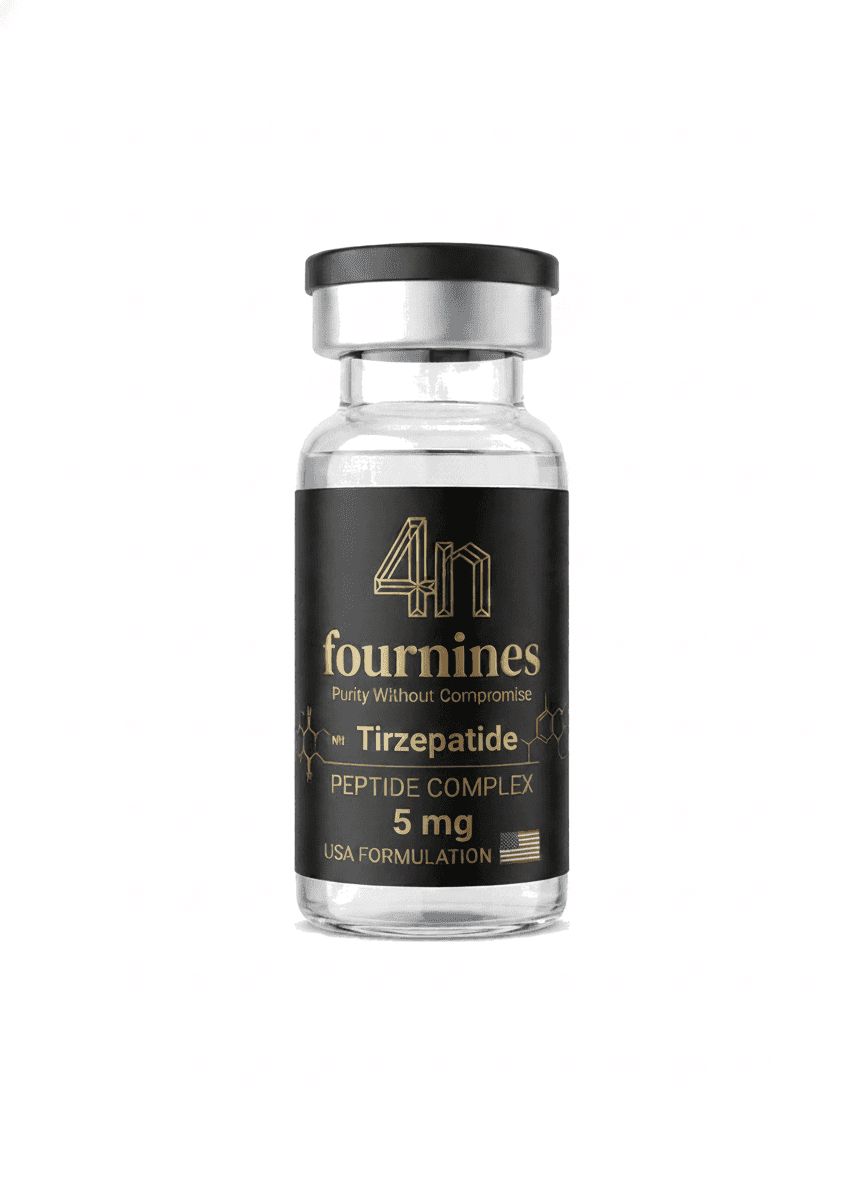
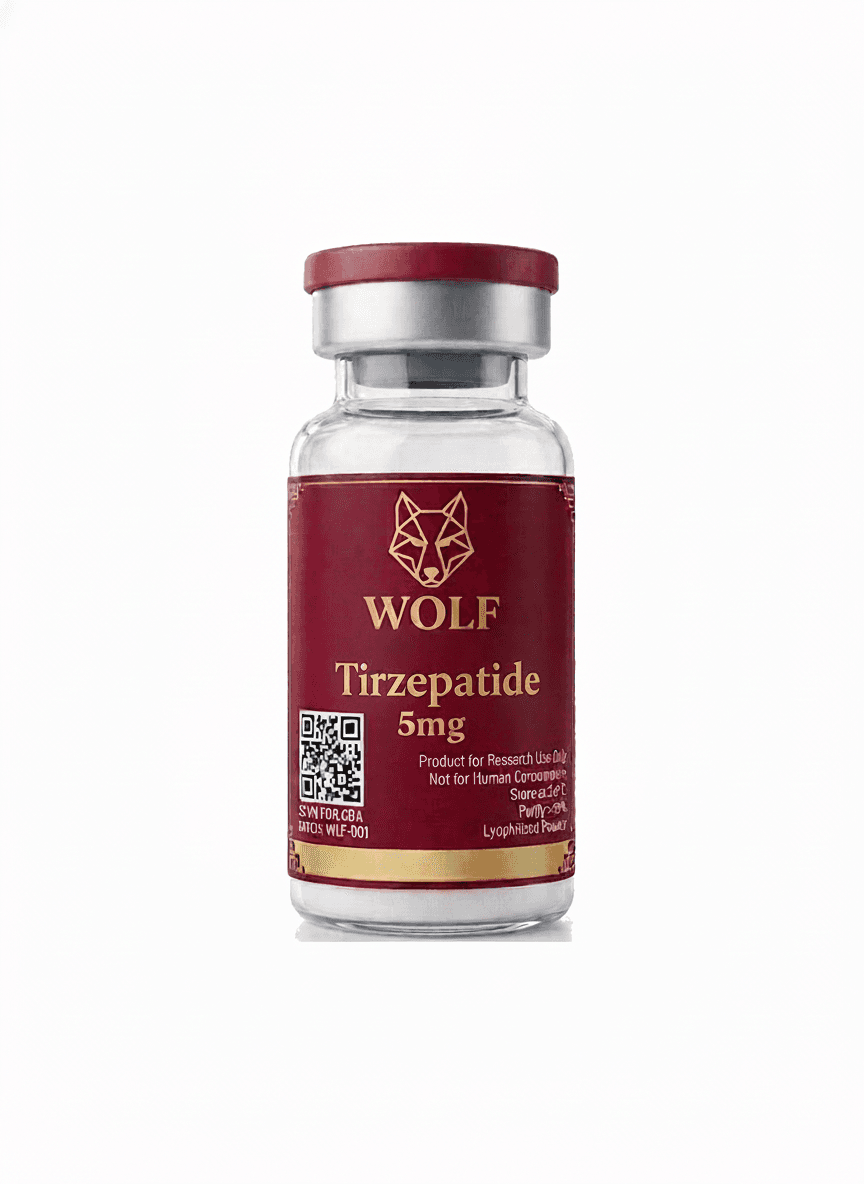
أنتجت تجارب SURPASS (السكري) وتجارب SURMOUNT (السمنة) لـ Tirzepatide بيانات الجيل التالي: انخفاض في وزن الجسم بنحو ~20–22% عند 72 أسبوعًا بجرعة 15 ملغ/أسبوع. كانت SURPASS-2 هي التجربة المباشرة مقابل Semaglutide التي رسّخت حجم الأثر الأكبر لـ Tirzepatide على كلٍّ من نقاط النهاية السكّرية والوزنية عند الجرعات المتكافئة.
أظهرت البيانات المبكرة لتجارب Retatrutide (المرحلة الثانية، 2023) انخفاضات في وزن الجسم تقترب من 24% عند نقطة نهاية 48 أسبوعًا — وهي أكبر من Tirzepatide في إطار زمني أقصر. وتُمثّل نتائج المرحلة الثالثة الأفق البحثي الحالي؛ ومن المرجّح أن تُعيد بيانات الناهض الثلاثي تشكيل هذه الفئة مرة أخرى.
اعتبارات بحثية عملية
تُشحن المركّبات الثلاثة بوصفها مسحوقًا مجفّدًا وتستلزم إعادة التكوين بالماء الجرثومي قبل الاستخدام. الحقن تحت الجلد الأسبوعي هو طريق الإعطاء المعياري للفئة بأكملها. يُوصى إجماعًا بمعايرة الجرعة على مدى 16 أسبوعًا — تُرفع الجرعات الابتدائية 0.25 ملغ (Semaglutide) و2.5 ملغ (Tirzepatide) و2 ملغ (Retatrutide) تصاعديًا على مدى أشهر لتقليل الملامح الجانبية الهضمية المميّزة للفئة (غثيان، إمساك، GERD).
تقيس بروتوكولات الأبحاث عادةً HbA1c (في النماذج السكّرية)، وتركيب الجسم عبر DEXA، والغلوكوز والإنسولين أثناء الصيام لحساب HOMA-IR، ومستوى الدهنيات، وفي البروتوكولات الأطول CRP / IL-6 كواصمات التهابية. وتتطلّب النهايات القلبية الوعائية آفاقًا زمنية أطول (12+ شهرًا) للحصول على قياس ذي معنى لحجم الأثر.
Frequently asked
بأيّ ناهض GLP-1 يُنصح بالبدء في البحث؟
يُنصح بـ Semaglutide لامتلاكه أوسع قاعدة مراجع وأكثر منحنيات جرعة-استجابة دراسةً — إذ تُوفّر تجارب STEP وSUSTAIN وSELECT بيانات مقارنة نظيفة. يُنتقل إلى Tirzepatide حين يختبر البروتوكول تحديدًا آلية الناهضية المزدوجة؛ وإلى Retatrutide حين تستدعي الحاجة جبهة الناهض الثلاثي.
هل يمكن تكديس المركّبات الثلاثة معًا؟
لا. جميعها تستهدف مستقبل GLP-1 (إضافةً إلى GIP والغلوكاغون في النسختين المزدوجة والثلاثية) — وتكديسها يُولّد تنافسًا على المستقبلات وبيانات غير قابلة للتفسير. يُختار مركّب واحد لكل بروتوكول.
ما سير عمل إعادة التكوين؟
متطابق عبر الفئة بأكملها: يُضاف ماء BAC ببطء على طول جدار القارورة، ويُدوَّر برفق (لا يُرجّ أبدًا)، ويُحفظ عند 2–8 °م، ويُستعمل خلال 30 يومًا. يتوفّر الدليل الكامل خطوةً بخطوة لإعادة التكوين على مدوّنتنا.
كيف تُقارَن ناهضات GLP-1 بأدوات بحث خفض الوزن الأقدم؟
تعمل عبر آلية مختلفة جوهريًا (ناهضية مستقبلات الإنكريتين والتنظيم المركزي للشهية) مقارنةً بالمركّبات البحثية الأقدم المحاكية للودّي أو مثبّطات الليباز. كما أنّ أحجام الأثر أكبر بشكل ملحوظ — 15–24% من خفض وزن الجسم مقابل 3–8% للفئات السابقة في التجارب المنشورة.
Research products for this pillar
All weight loss →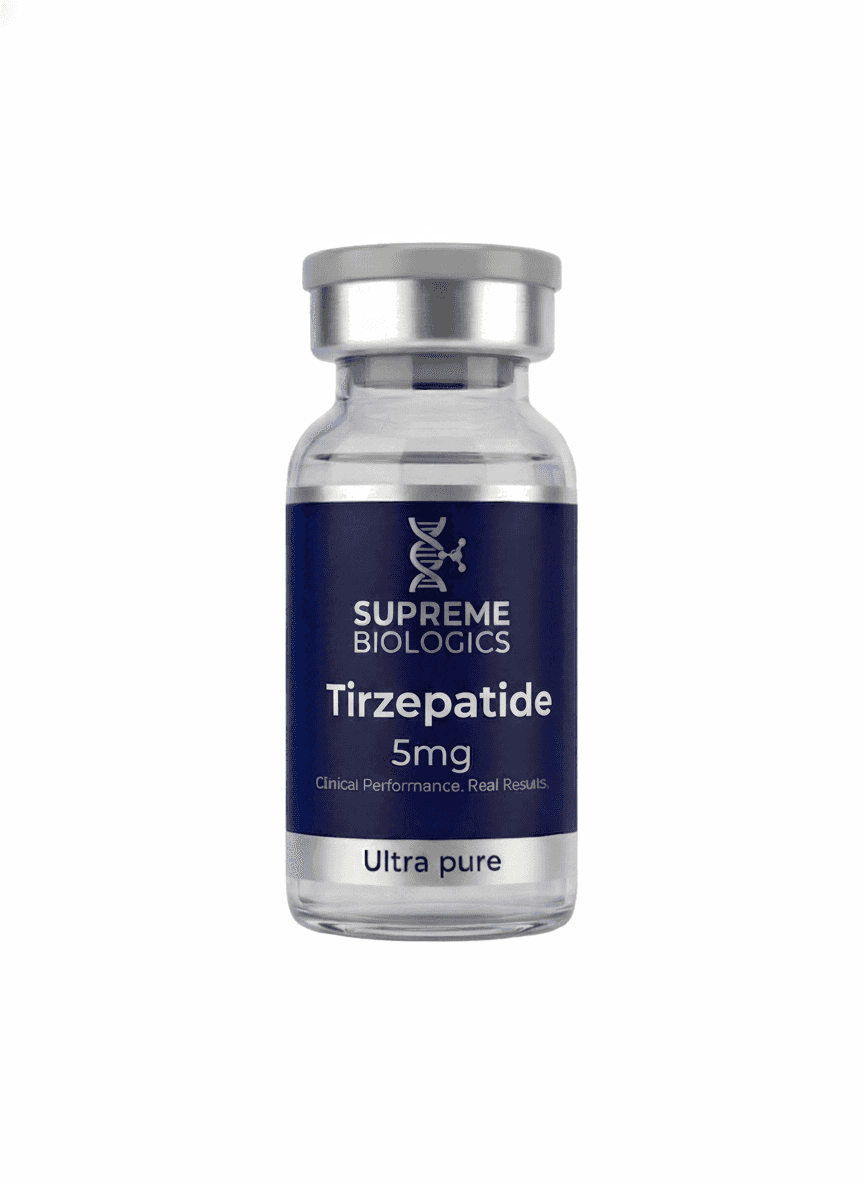
All compounds referenced are chemical reagents for laboratory analysis. See our Terms & Conditions.